Battery Backup for Whole-House Dehumidifiers: The Ultimate Guide to Choosing, Installing, and Maintaining Reliable Backup Power
Introduction
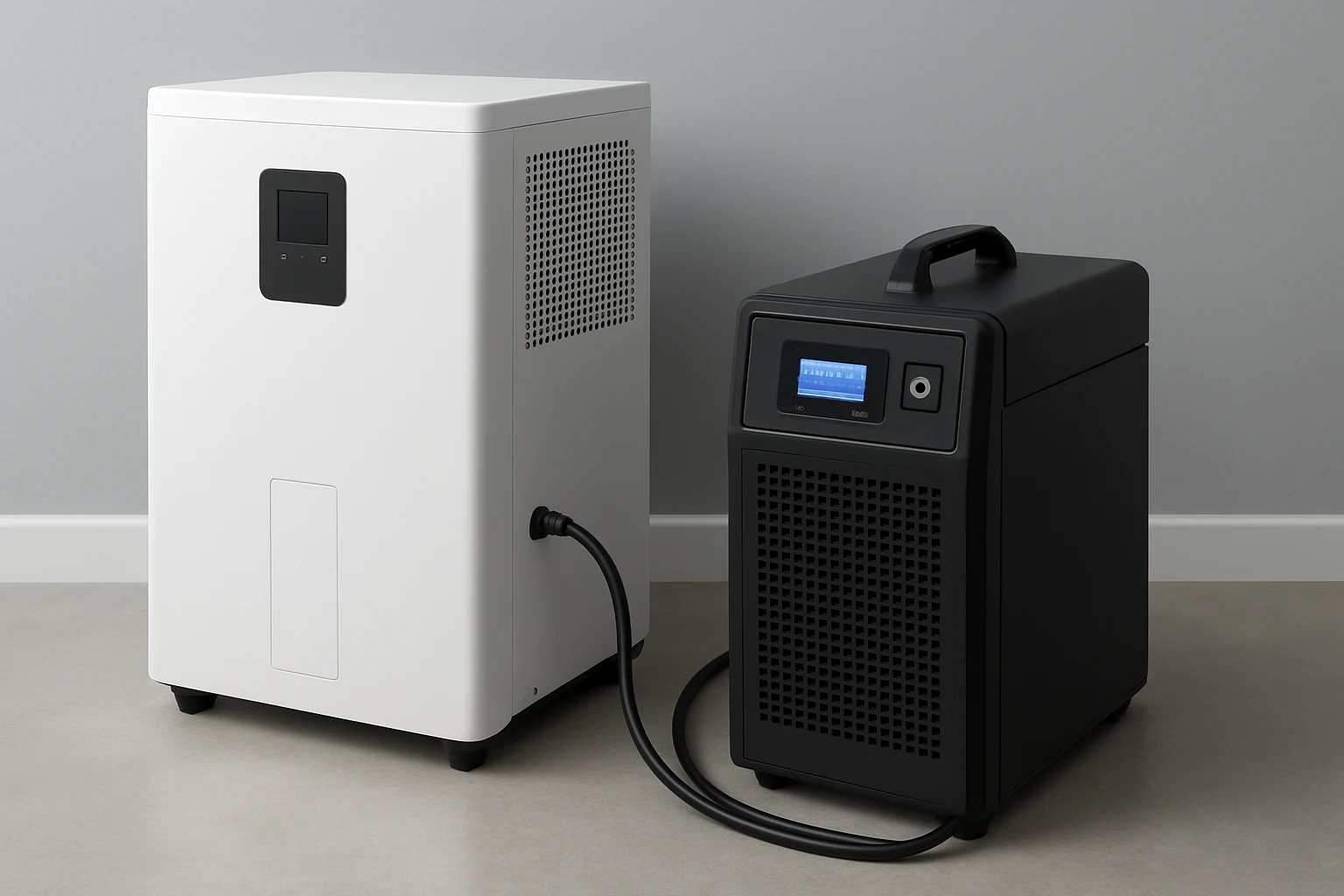
Whole‑house dehumidifiers protect indoor air quality, prevent mold growth, and safeguard structural components. However, power interruptions can render these devices ineffective, leading to excess humidity and potential damage. This guide explains the importance of battery backup for dehumidifiers, outlines key concepts, and presents reliable products that ensure continuous operation during outages. Readers will learn how to assess power needs, select an appropriate UPS, install the system safely, and maintain it for long‑term reliability.
Background and Context
Dehumidifiers typically draw between 300 W and 800 W depending on capacity and climate conditions. When the utility fails, a UPS (Uninterruptible Power Supply) can supply enough energy to finish a drying cycle or keep the unit running until power returns. Modern UPS units use simulated or pure sine‑wave output to protect sensitive electronics and provide a smooth transition from mains to battery power. Understanding voltage, VA (volt‑ampere) rating, and battery runtime is essential for matching a UPS to a whole‑house dehumidifier.
Two primary UPS technologies exist: lead‑acid battery UPS and lithium‑ion (LiFePO4) UPS. Lead‑acid units are inexpensive but require periodic battery replacement, while lithium units offer longer lifespan, higher efficiency, and lower total cost of ownership. The choice depends on budget, maintenance preferences, and the desired runtime during an outage.
In addition to UPS selection, proper installation—including placement, grounding, and ventilation—affects performance and safety. Regular maintenance, such as battery testing and firmware updates, extends the life of the backup system and ensures reliable protection.
Key Concepts for Selecting a UPS
Before purchasing a UPS, evaluate the following factors:
- Power Capacity (VA/W): Choose a UPS whose VA rating exceeds the dehumidifier’s wattage by at least 20 % to accommodate startup surges.
- Runtime: Determine how long the dehumidifier must operate during an outage. A 30‑minute runtime is typical for residential scenarios.
- Waveform Type: Simulated sine wave is adequate for most dehumidifiers, but pure sine wave offers the most protection for sensitive electronics.
- Efficiency and Energy Consumption: High‑efficiency UPS units reduce idle power draw, lowering electricity costs.
- Warranty and Guarantee: Look for equipment guarantees and battery coverage to protect your investment.
These criteria guide the comparison of the four products featured in this guide.
Recommended Products and How They Fit the Criteria
The first product, CyberPower SL700U UPS, offers a 700 VA/370 W capacity in a slim profile, making it suitable for small‑to‑medium dehumidifiers. Its two USB charging ports add convenience for mobile devices, and the three‑year warranty with a $100,000 equipment guarantee provides peace of mind. The unit’s simulated sine wave output protects the dehumidifier’s motor and control board during power fluctuations.
The second recommendation, GoldenMate 1000VA Lithium UPS, delivers 1000 VA/800 W with a pure sine wave output, ideal for larger whole‑house units. Its LiFePO4 battery promises over 10 years of service and more than 5,000 charge cycles, dramatically reducing long‑term costs. The LCD panel displays real‑time battery status, and the built‑in BMS ensures safe operation even under heavy load.
For users seeking an eco‑friendly option, the CyberPower EC850LCD UPS provides 850 VA/510 W with ECO mode, which automatically powers down peripheral outlets when the connected computer is idle. This feature reduces overall energy consumption and aligns with green building practices. The LCD panel offers clear diagnostics, and the unit includes a $100,000 equipment guarantee.
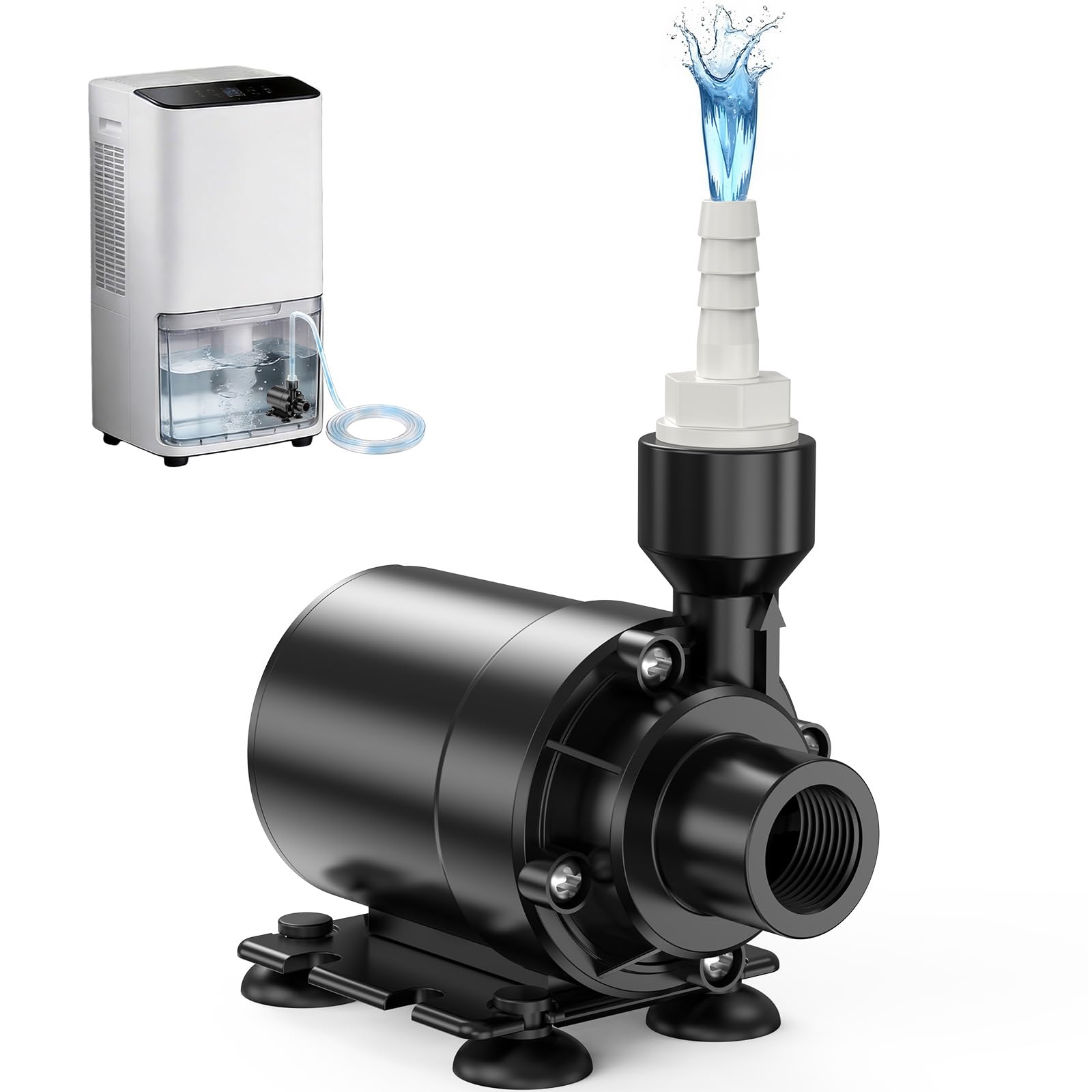
Finally, a dehumidifier pump such as the PmpDrTech Smart Dehumidifier Pump can be paired with a UPS to ensure continuous drainage even when the main power fails. Its 15 ft high‑lift capability and IPX8 waterproof rating make it reliable for basement installations, while the automatic water‑level sensor reduces manual intervention.
Comparison and Selection Guide
| Feature | CyberPower SL700U | GoldenMate 1000VA | CyberPower EC850LCD | PmpDrTech Pump |
|---|---|---|---|---|
| VA / Watt Rating | 700 VA / 370 W | 1000 VA / 800 W | 850 VA / 510 W | N/A (pump) |
| Battery Type | Lead‑acid (sealed) | LiFePO4 (Lithium) | Lead‑acid (sealed) | N/A |
| Waveform | Simulated sine wave | Pure sine wave | Simulated sine wave | N/A |
| Outlets | 8 (5 backup, 3 surge) | 8 (backup + surge) | 12 (6 backup, 6 surge, 3 ECO) | N/A |
| USB Ports | 2 (2.4 A total) | None | None | N/A |
| LCD / LED Display | LED status lights | LCD panel | Multifunction LCD | LED indicator |
| Runtime (approx.) | ~10 min @ 300 W | ~30 min @ 500 W | ~15 min @ 400 W | Continuous when powered |
| Warranty | 3 years + $100k guarantee | 3 years + $100k guarantee | 3 years + $100k guarantee | 1 year |
| Price (USD) | $89.95 | $209.99 | $119.95 | $49.99 |
| Average Rating | 4.5/5 (1,781 reviews) | 4.4/5 (1,292 reviews) | 4.4/5 (6,718 reviews) | 4.6/5 (32 reviews) |
When selecting a UPS for a whole‑house dehumidifier, prioritize VA rating and battery type. For modest units (300‑400 W), the CyberPower SL700U provides sufficient backup at a low cost. For larger units (600‑800 W) or environments requiring pure sine wave, the GoldenMate 1000VA lithium UPS offers superior runtime and efficiency. The EC850LCD is an excellent middle ground with eco‑mode savings, while the PmpDrTech pump ensures that water removal continues uninterrupted.
Installation Best Practices
Proper installation maximizes safety and performance. Follow these steps:
- Location Selection: Place the UPS on a flat, non‑conductive surface near the dehumidifier. Ensure adequate ventilation to prevent overheating.
- Electrical Connections: Plug the dehumidifier into a battery‑backup outlet. If the UPS offers ECO‑controlled outlets, connect peripheral devices (e.g., humidistat) there.
- Grounding: Verify that the UPS is grounded according to local electrical codes. Use a grounded outlet or a dedicated circuit if required.
- Battery Testing: Perform a self‑test after installation. Most units provide a “self‑test” button that simulates a power loss.
- Pump Integration: Connect the PmpDrTech Smart Dehumidifier Pump to a UPS outlet if continuous drainage is critical. The pump’s automatic water‑level sensor will operate without manual intervention.
After installation, monitor the UPS for any audible alarms or LED warnings. Regularly inspect cables for wear and confirm that the UPS firmware (if applicable) is up to date.
Maintenance and Longevity
Maintaining the UPS and pump extends their service life and ensures reliable backup during emergencies. Recommended practices include:
- Battery Health Checks: Conduct monthly capacity tests. Replace lead‑acid batteries every 3‑5 years; LiFePO4 batteries typically last a decade.
- Cleaning: Dust the ventilation grills and fan assemblies quarterly to maintain airflow.
- Software Updates: For models with management software (e.g., PowerPanel), install updates to improve compatibility and performance.
- Load Verification: Periodically verify that the connected load does not exceed the UPS’s rated capacity, especially after adding new devices.
- Pump Maintenance: Inspect the pump’s suction cup for secure adhesion and ensure the waterproof housing remains intact.
Document maintenance activities in a logbook. This record assists in warranty claims and helps schedule future service intervals.
Frequently Asked Questions
- 1. How long will a UPS keep a whole‑house dehumidifier running during a blackout?
- Runtime depends on the UPS’s VA rating and the dehumidifier’s wattage. A 700 VA unit typically provides 8‑12 minutes at 300 W, while a 1000 VA lithium UPS can deliver 20‑30 minutes at 500 W.
- 2. Is a simulated sine wave sufficient for a dehumidifier?
- Yes, most dehumidifiers use simple motor drives that tolerate simulated sine wave output. Pure sine wave is recommended only for highly sensitive electronics.
- 3. Can I connect the dehumidifier pump directly to a UPS?
- Yes, provided the pump’s power draw does not exceed the UPS’s available backup capacity. The PmpDrTech pump draws minimal power and works well with the recommended UPS models.
- 4. What does the "ECO Mode" on the CyberPower EC850LCD do?
- ECO Mode automatically shuts off power to designated outlets when the attached computer is off or in sleep mode, reducing standby power consumption.
- 5. How often should I replace the UPS battery?
- Lead‑acid batteries typically require replacement every 3‑5 years, while LiFePO4 batteries can last 10 years or more, depending on usage patterns.
- 6. Do I need a separate surge protector for the dehumidifier?
- Most UPS units include built‑in surge protection. Ensure the UPS’s surge rating meets or exceeds local code requirements.
- 7. Will the UPS affect the dehumidifier’s humidity removal rate?
- No, the UPS only supplies power; the dehumidifier’s performance remains unchanged as long as it receives adequate voltage.
Conclusion
Providing reliable battery backup for whole‑house dehumidifiers safeguards indoor air quality and protects valuable equipment during power outages. By assessing power requirements, selecting a UPS with appropriate capacity and waveform, and following proper installation and maintenance procedures, homeowners can achieve uninterrupted dehumidification. The products highlighted—CyberPower SL700U, GoldenMate 1000VA Lithium UPS, CyberPower EC850LCD, and PmpDrTech Smart Dehumidifier Pump—represent a range of solutions that balance cost, efficiency, and longevity.
Implementing these recommendations ensures that moisture control remains effective, even when the grid fails, thereby extending the lifespan of the home’s structural components and preserving a healthy living environment.
Products Featured in This Guide
CyberPower SL700U UPS
Price: $89.95 | Rating: 4.5/5 (1,781 reviews)
Featured for its compact 700 VA capacity, USB charging ports, and three‑year warranty, making it ideal for smaller dehumidifiers and budget‑conscious installations.
GoldenMate 1000VA Lithium UPS
Price: $209.99 | Rating: 4.4/5 (1,292 reviews)
Featured for its high 1000 VA capacity, pure sine wave output, LiFePO4 battery with a 10‑year lifespan, and LCD panel that provides detailed status information.
CyberPower EC850LCD UPS
Price: $119.95 | Rating: 4.4/5 (6,718 reviews)
Featured for its eco‑mode power‑saving feature, 12 outlets with ECO control, and multifunction LCD display, offering a balanced solution for medium‑size dehumidifiers.
PmpDrTech Smart Dehumidifier Pump
Price: $49.99 | Rating: 4.6/5 (32 reviews)
Featured for its 15 ft high‑lift capability, automatic water‑level detection, and ultra‑quiet operation, ensuring continuous drainage when paired with a UPS.


