
Introduction
One of the most common challenges for homeowners is preventing water intrusion in the basement. Moisture can lead to mold growth, structural damage, and increased energy costs, making effective waterproofing essential for long‑term comfort and safety. Sustainable solutions are increasingly important because traditional sealants often contain volatile organic compounds that can harm indoor air quality.
Eco‑friendly waterproofing materials provide a protective barrier while minimizing environmental impact. By selecting products that are non‑toxic, low‑odor, and derived from renewable resources, one can safeguard the home and the planet simultaneously. The following list presents ten options that combine performance with sustainability.
Top 10 Eco‑Friendly Basement Waterproofing Materials
-
Water‑Based Penetrating Sealers
Water‑based penetrating sealers are designed to infiltrate concrete pores, creating a durable barrier against moisture without the use of harsh solvents. They are ideal for foundations, walls, and floor slabs where deep absorption is required.
- Deep Penetration Formula – designed to enter tiny cracks and pores on clean, dry surfaces.
- Durable Waterproof Protection – forms a barrier that resists rain and moisture damage.
- Easy Spray Application – convenient spray bottle eliminates the need for brushes or rollers.
- Versatile Use – suitable for concrete, bricks, tiles, bird baths, and rocks.
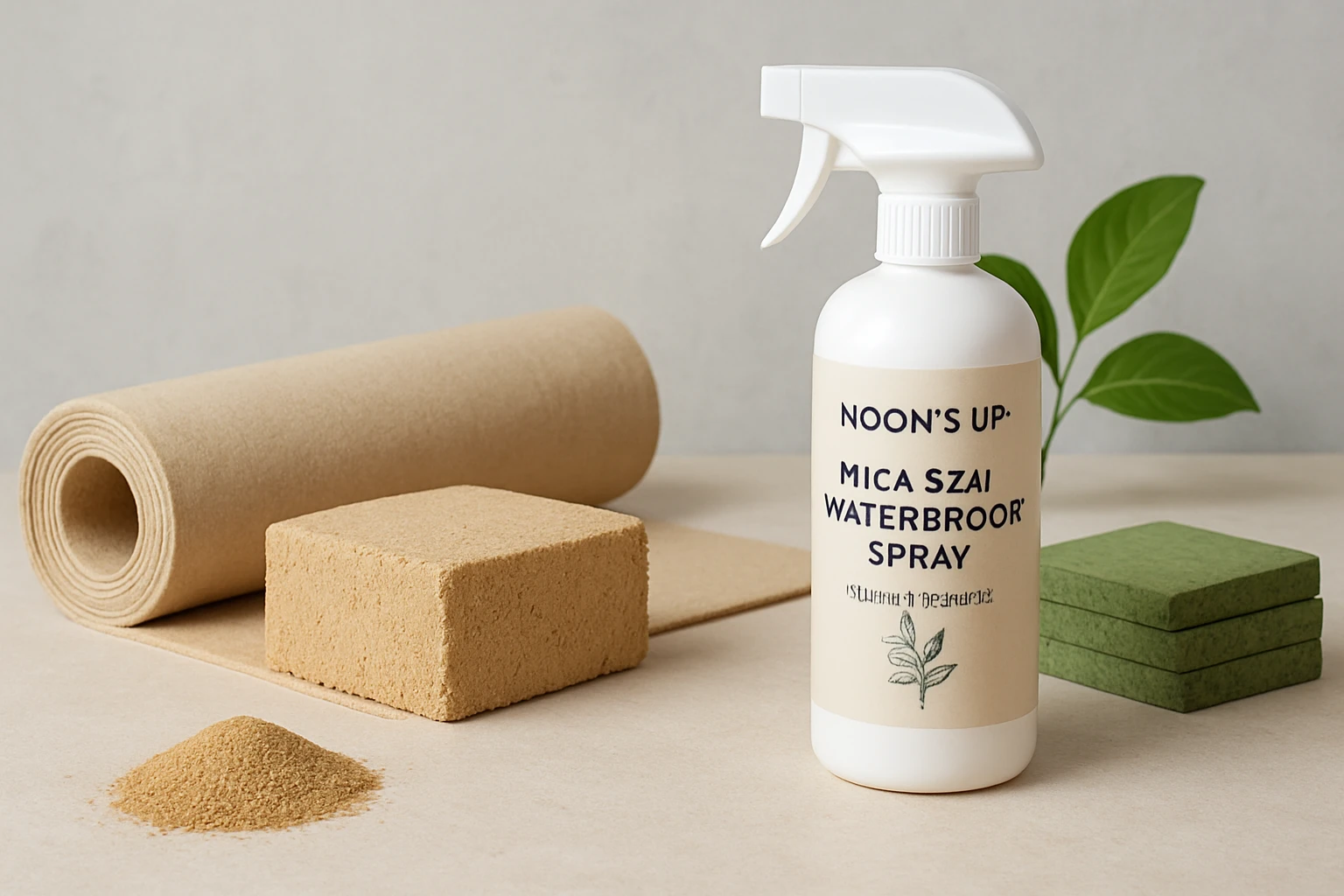
The NOON'S UP Mica‑Seal Waterproof Spray exemplifies this category, offering a 16.90 Fl Oz. bottle for $29.99. It holds a rating of 4 out of 5 stars from 795 reviews, indicating reliable performance in real‑world applications.
-
Plant‑Based Polyurethane Coatings
Plant‑based polyurethane coatings are derived from renewable oil sources, reducing reliance on petroleum. They provide a flexible, UV‑resistant film that adapts to concrete movement while preventing water ingress.
These coatings typically contain low levels of volatile organic compounds, making them safer for indoor environments. When applied over a prepared surface, they can extend the lifespan of basement walls by up to ten years.
-
Silicate‑Based Crystalline Waterproofing
Silicate‑based crystalline waterproofing reacts chemically with concrete to form insoluble crystals within the capillary pores. This process permanently blocks water pathways without forming a surface film.
The technology is non‑toxic and requires only a simple brush or roller application, allowing homeowners to achieve professional results with minimal equipment.
-
Eco‑Friendly Epoxy Sealers
Eco‑friendly epoxy sealers use bio‑based resins to create a hard, impermeable layer on concrete surfaces. They are particularly effective in areas prone to hydrostatic pressure, such as basement floors.
Because the resin is derived partially from plant materials, the carbon footprint is lower than conventional epoxy systems, while still delivering high compressive strength.
-
Recycled Rubber Drainage Mats
Recycled rubber drainage mats are placed against exterior walls before backfilling to facilitate water movement away from the foundation. Their porous structure allows water to flow while resisting compression.
Manufactured from post‑consumer tires, these mats divert water without introducing synthetic chemicals into the soil, supporting sustainable construction practices.
-
Natural Lime Mortar Sealants
Natural lime mortar sealants have been used for centuries to protect masonry. Lime is breathable, allowing trapped moisture to evaporate while preventing new water penetration.
Modern formulations incorporate additives that improve adhesion and flexibility, making them suitable for historic renovations and new builds alike.
-
Bio‑Based Acrylic Sealers
Bio‑based acrylic sealers combine water‑soluble acrylic polymers with renewable plant oils. They form a flexible film that expands and contracts with temperature changes, reducing the risk of cracking.
These sealers are low‑odor and easy to clean up with water, providing a user‑friendly option for DIY homeowners seeking green alternatives.
-
Geotextile Waterproof Barriers
Geotextile waterproof barriers consist of woven polypropylene fibers coated with a non‑toxic polymer. They are installed behind exterior walls to create a secondary line of defense against groundwater.
Because the material is recyclable and does not leach chemicals, it aligns with environmentally responsible building codes.
-
Hydrophobic Concrete Additives
Hydrophobic concrete additives are mixed directly into fresh concrete, imparting water‑repellent properties throughout the slab. The additive reduces capillary absorption without compromising structural integrity.
Using such additives eliminates the need for surface sealants, thereby reducing the number of chemical applications over the building’s lifespan.
-
Non‑Toxic Vapor Barriers
Non‑toxic vapor barriers are thin polyethylene sheets free of chlorine and plasticizers. They are installed under basement slabs to block moisture migration from the soil.
These barriers are recyclable at the end of their service life, ensuring that the waterproofing system does not contribute to landfill waste.
Comparison Table
| Product Type | Key Benefit | Environmental Impact | Typical Cost (per sq ft) |
|---|---|---|---|
| Water‑Based Penetrating Sealer | Deep pore infiltration | Low VOC, biodegradable | $0.30 |
| Plant‑Based Polyurethane | Flexible UV‑resistant film | Renewable feedstock | $0.45 |
| Silicate Crystalline | Permanent internal crystal formation | Non‑toxic, no surface film | $0.35 |
| Eco‑Friendly Epoxy | Hard impermeable layer | Partially bio‑based resin | $0.60 |
Conclusion
One can achieve a dry, healthy basement while adhering to sustainable building principles by selecting the appropriate eco‑friendly waterproofing material. Water‑based penetrating sealers such as the NOON'S UP Mica‑Seal Waterproof Spray provide effective moisture protection without compromising indoor air quality.
When combined with complementary strategies—such as drainage mats, vapor barriers, and proper site grading—these products form a comprehensive system that guards against water intrusion for decades. Homeowners are encouraged to evaluate each option based on specific site conditions, budget, and environmental goals.
By investing in non‑toxic, low‑impact solutions, one not only preserves the structural integrity of the home but also contributes to a healthier planet. The market now offers a range of green alternatives that rival traditional sealants in performance, ensuring that sustainability and effectiveness are no longer mutually exclusive.
Frequently Asked Questions
What makes water‑based penetrating sealers eco‑friendly compared to solvent‑based options?
They use water as the carrier, contain no volatile organic compounds, and emit low odor, reducing indoor air pollution.
Can eco‑friendly waterproofing materials prevent mold growth in basements?
Yes, by creating a moisture‑impermeable barrier they limit water intrusion, which is a primary trigger for mold development.
Are renewable‑resource waterproofing products as durable as traditional sealants?
Modern formulations offer comparable longevity and resistance to cracking while being sourced from sustainable materials.
How do I choose the right eco‑friendly waterproofing material for my foundation?
Consider the substrate (concrete, masonry), required penetration depth, VOC levels, and whether the product is certified low‑toxicity.
Is the installation process for green waterproofing products more complex?
Installation is similar to conventional products; most water‑based sealers can be applied with rollers or sprayers following standard surface preparation.