Introduction
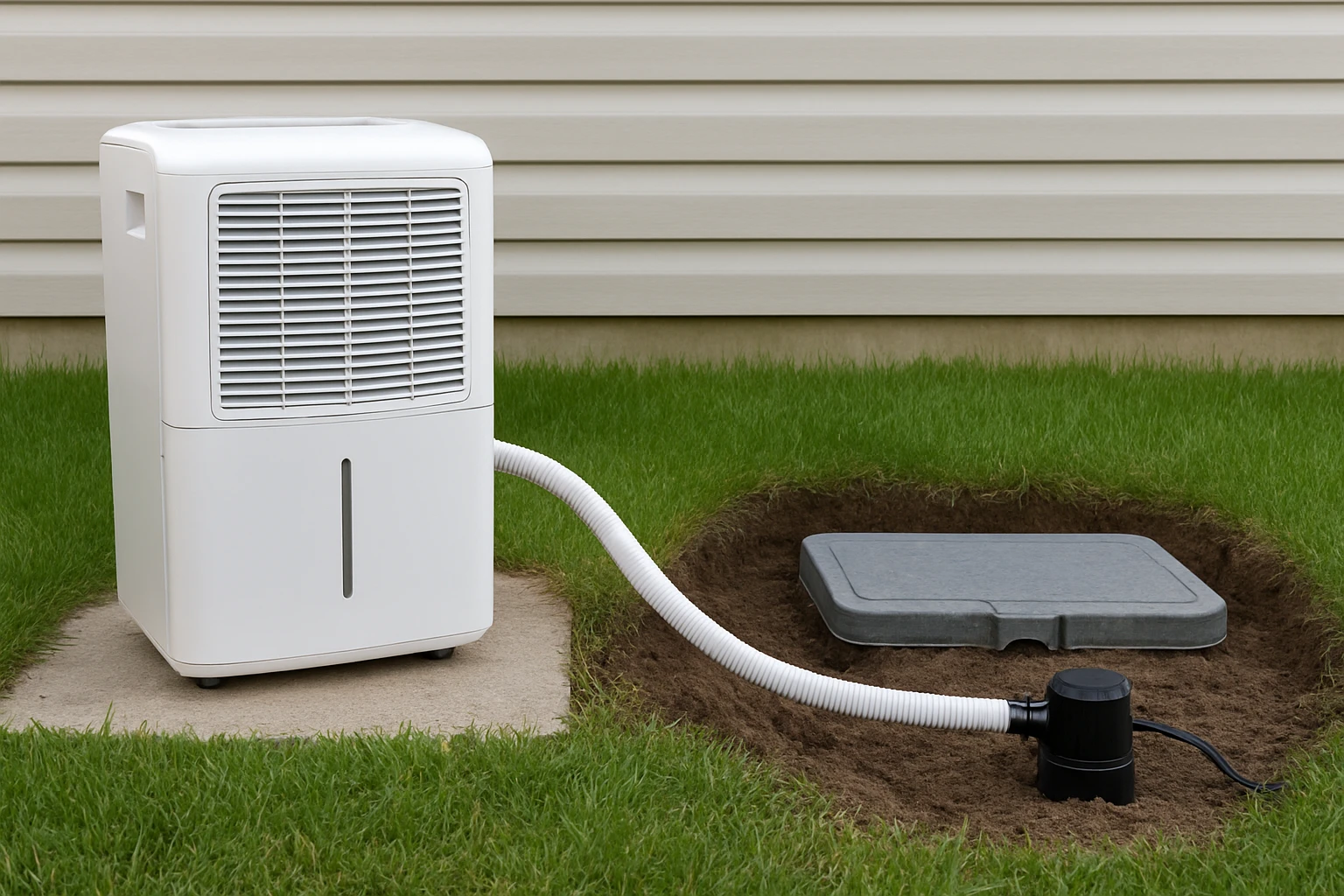
This guide explains how to discharge dehumidifier condensate into a septic system while complying with safety standards and building codes. Readers will learn the underlying physics of condensate, the regulatory landscape, and practical methods for creating a reliable discharge system. The article also recommends specific equipment that simplifies installation and improves long‑term reliability. By the end of the guide, one will be equipped to design, install, and maintain a code‑compliant condensate discharge solution.
Background and Context
Condensate is the liquid water that forms when humid air contacts a cold surface inside a dehumidifier or HVAC equipment. In residential settings, this water is typically collected in a pan and then expelled through a drain line. Improper disposal can lead to water damage, mold growth, or violation of local plumbing codes. Understanding the source and volume of condensate is essential before connecting it to a septic system.
Understanding Condensate Generation
The amount of condensate produced depends on ambient humidity, temperature, and the capacity of the dehumidifier. A typical 50‑pint unit can generate up to 5 gallons of water per day in a damp climate. This volume is modest compared with household wastewater, but it must be directed away from electrical components and structural elements. Accurate estimation of daily flow helps size pumps and pipework correctly.
Regulatory Considerations and Building Codes
Most jurisdictions require that condensate discharge be routed to a sanitary drain, a floor drain, or a dedicated condensate line. Some codes explicitly forbid direct discharge into a septic tank without an intermediate trap or pump. The International Residential Code (IRC) and many local amendments mandate backflow prevention and venting to avoid siphoning. Homeowners should consult the local building department to verify any additional restrictions before proceeding.
Designing a Safe Discharge Path to a Septic System
A safe path begins with a condensate collection tank or pan that feeds a pump capable of overcoming the lift to the septic inlet. The pump must be sized for the peak flow rate, typically 1.5 times the average daily output to accommodate spikes. The discharge pipe should be PVC or CPVC with a minimum slope of 1% to maintain gravity flow when the pump is not operating. A check valve prevents backflow from the septic tank into the dehumidifier.
Recommended Equipment for Condensate Management
The Little Giant Condensate Pump provides a reliable solution for moving condensate from a collection tank to a septic inlet. It features a 1/50 hp motor capable of pumping 65 gallons per hour at a 1‑foot lift, which exceeds the typical residential condensate load. The unit includes a 1/2‑gallon ABS tank, overflow detection switch, and 20 feet of 3/8" ID vinyl tubing, reducing the need for additional accessories. With a CSA certification and thermal overload protection, the pump meets both US and Canadian safety standards, making it suitable for a wide range of installations.
Comparison and Selection Guide
When selecting a condensate pump, consider the following criteria: flow capacity, lift capability, power source, durability, and safety features. Table 1 compares the Little Giant model with two common alternatives.
| Feature | Little Giant VCMA‑15ULST | Standard Inline Pump | Sub‑mersible Utility Pump |
|---|---|---|---|
| Maximum Flow | 65 GPH | 30 GPH | 45 GPH |
| Maximum Lift | 15 ft | 8 ft | 10 ft |
| Power | 115 V, 1 A | 120 V, 0.6 A | 120 V, 0.8 A |
| Overflow Switch | Included | Optional | Not standard |
| Temperature Rating | Up to 140 °F | Up to 120 °F | Up to 130 °F |
For most residential dehumidifier applications, the Little Giant pump offers the best combination of flow, lift, and safety features. Installers who require a lower profile may opt for an inline pump, but they must add an external overflow detector. Sub‑mersible utility pumps are useful in basements but lack the built‑in detection switch that simplifies compliance with code requirements.
Best Practices and Installation Tips
- Place the pump on a level surface inside the condensate collection tank to ensure proper priming.
- Verify that the 20 ft of vinyl tubing is free of kinks and securely attached to the pump outlet.
- Install the overflow detection switch in a location where it can trigger a shut‑off of the dehumidifier or sound an audible alarm.
- Use a check valve on the discharge line to prevent backflow from the septic tank during pump idle periods.
- Schedule periodic maintenance to clean the pump inlet screen and inspect the tubing for mineral buildup.
Frequently Asked Questions
- Can I discharge condensate directly into the septic tank without a pump? Most codes require a pump or a gravity‑driven line with a minimum slope; direct discharge is rarely permitted.
- What size pipe should I use for the discharge line? A ½‑inch PVC or CPVC pipe is sufficient for typical residential flow rates and provides durability.
- Do I need a vent on the condensate line? A vent is recommended to prevent air lock, especially if the line runs a long distance or includes multiple elbows.
- How often should the pump be inspected? Quarterly inspections are advisable to remove debris, test the overflow switch, and verify proper operation.
- Is the Little Giant pump compatible with low‑voltage transformers? The pump requires 115 V AC; using a transformer that does not provide the correct voltage can damage the motor.
Conclusion
Discharging dehumidifier condensate into a septic system can be performed safely when the proper pump, piping, and code considerations are applied. The Little Giant Condensate Pump delivers the performance, safety features, and certifications needed for most residential installations. By following the design guidelines, regulatory checks, and maintenance practices outlined in this guide, homeowners can protect their property, ensure compliance, and extend the life of their dehumidification equipment.
Products Featured in This Guide
Little Giant Condensate Pump
Price: $50.20
Rating: 4.7/5.0 (4,394 reviews)
Why it is featured: The pump provides a high‑performance 1/50 hp motor, built‑in overflow detection, and 20 ft of tubing, making it an ideal, code‑compliant solution for routing dehumidifier condensate to a septic system.