Dehumidifier Condensate: Complete Guide to Filtration, Treatment & Safe Reuse
Introduction
Condensate water collected by a dehumidifier represents a valuable by‑product that can be repurposed when handled correctly. This guide explains the science behind condensate formation, outlines filtration and treatment methods, and provides actionable advice for safe reuse in household applications. Readers will learn how to evaluate dehumidifier models, compare features, and implement best practices that protect health and the environment. The information presented is based on reputable sources and real‑world product data.
Background and Context
When a dehumidifier extracts moisture from indoor air, it condenses water vapor into a liquid reservoir. The resulting condensate is typically low in dissolved solids but may contain airborne contaminants such as dust, pollen, mold spores, and volatile organic compounds (VOCs). Understanding the composition of condensate is essential before deciding whether to reuse it for irrigation, cleaning, or other non‑potable purposes.
Key factors influencing condensate quality include ambient humidity, indoor air quality, and the internal filtration system of the dehumidifier. Devices equipped with pre‑filters, antimicrobial coatings, or anti‑drip designs tend to produce cleaner water. However, even the most advanced units cannot guarantee sterile water without additional treatment steps.
Regulatory agencies such as the U.S. Environmental Protection Agency (EPA) classify condensate as non‑potable water, meaning it may be used for tasks like floor mopping, toilet flushing, or plant watering after proper filtration. The guide emphasizes responsible reuse that avoids human consumption or contact with open wounds.
Understanding Condensate Filtration
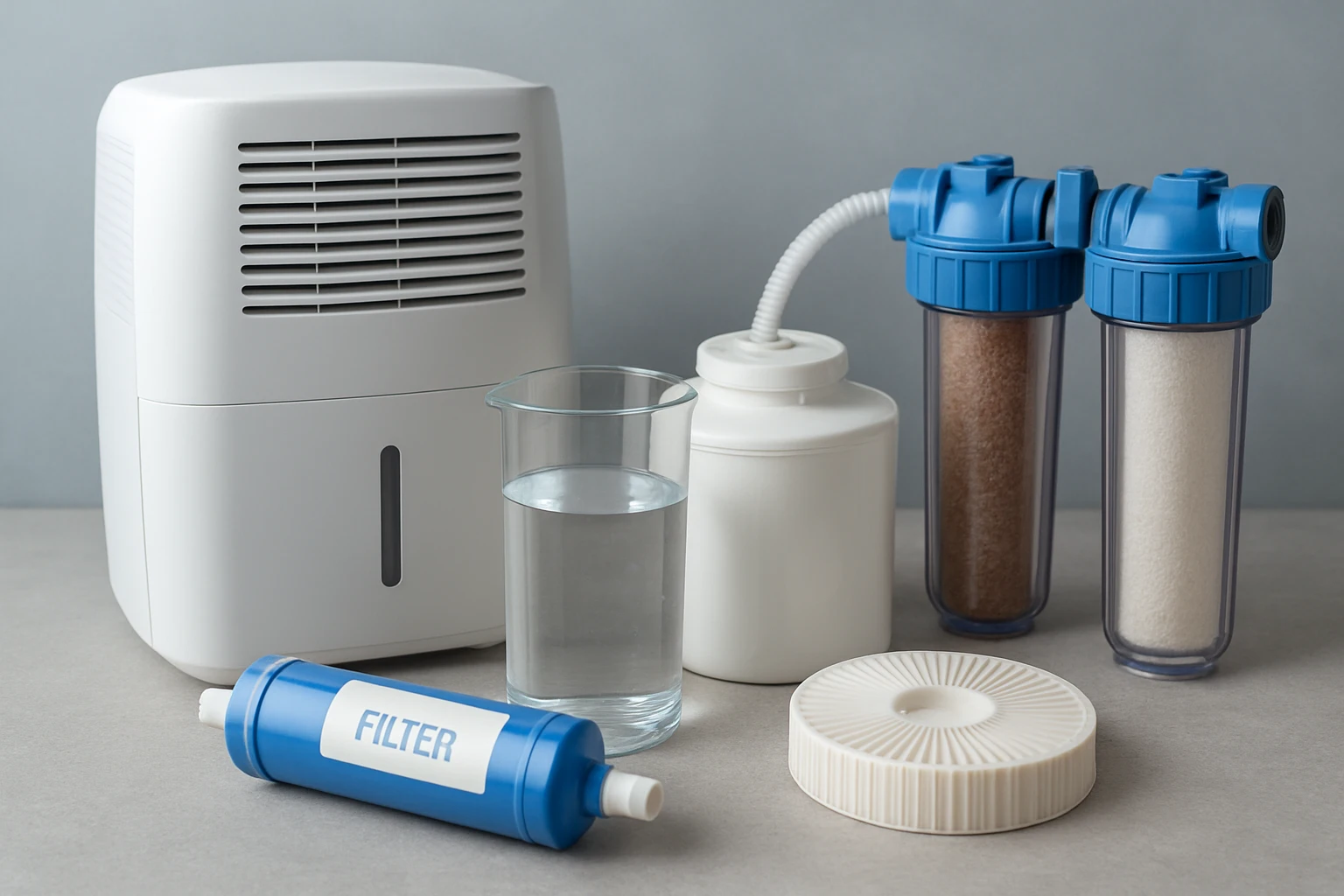
Effective filtration begins with removing particulate matter. Simple mesh screens can capture visible debris, while activated carbon filters reduce odors and absorb certain chemicals. For more thorough purification, a multi‑stage system combining sediment, carbon, and ultraviolet (UV) disinfection is recommended.
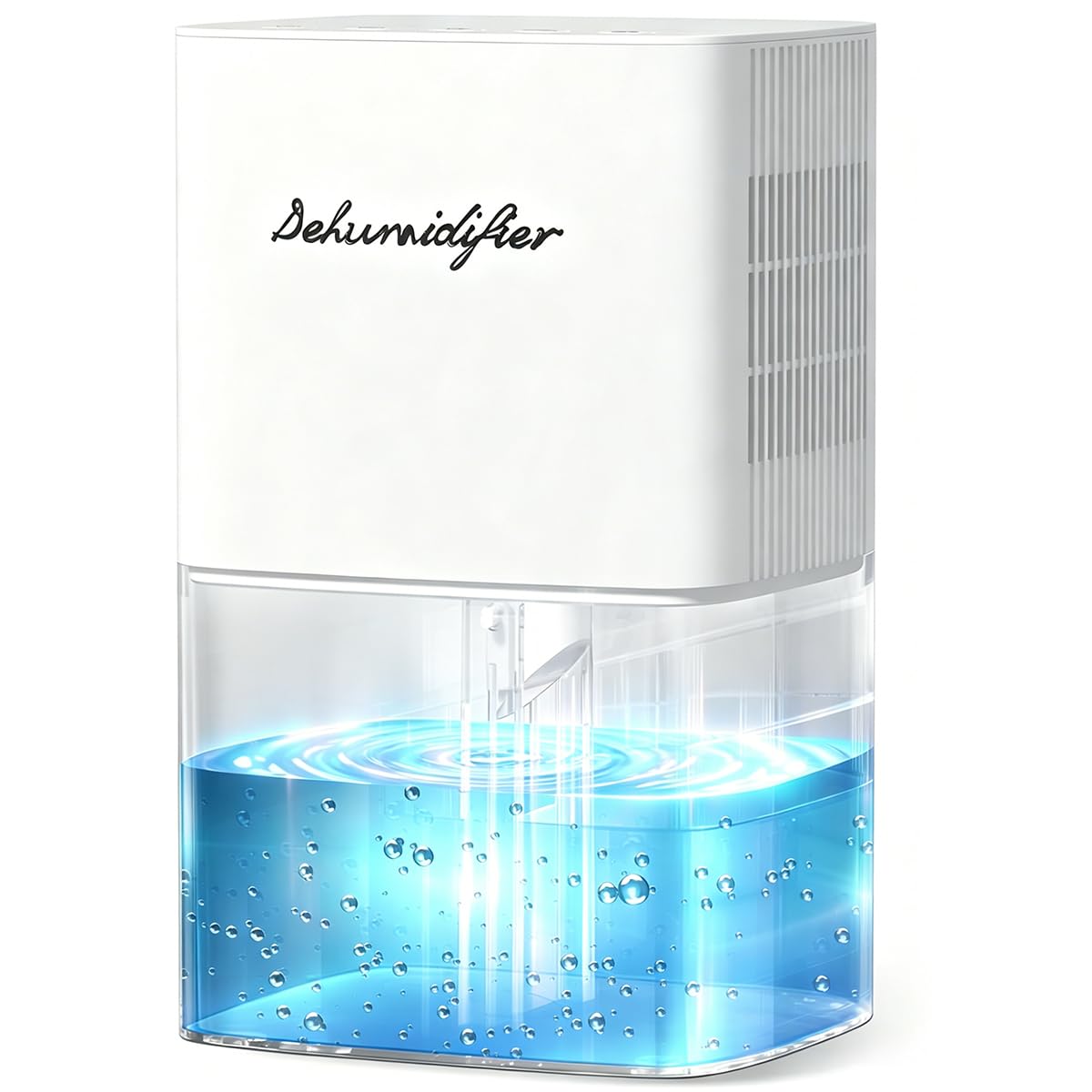
When selecting a dehumidifier, consider models that integrate built‑in filtration. The BeOkay Small Dehumidifier includes a clear water tank and optional night‑light, but it does not feature an internal carbon filter. Users must add an external filtration unit if they plan to reuse condensate for sensitive applications.
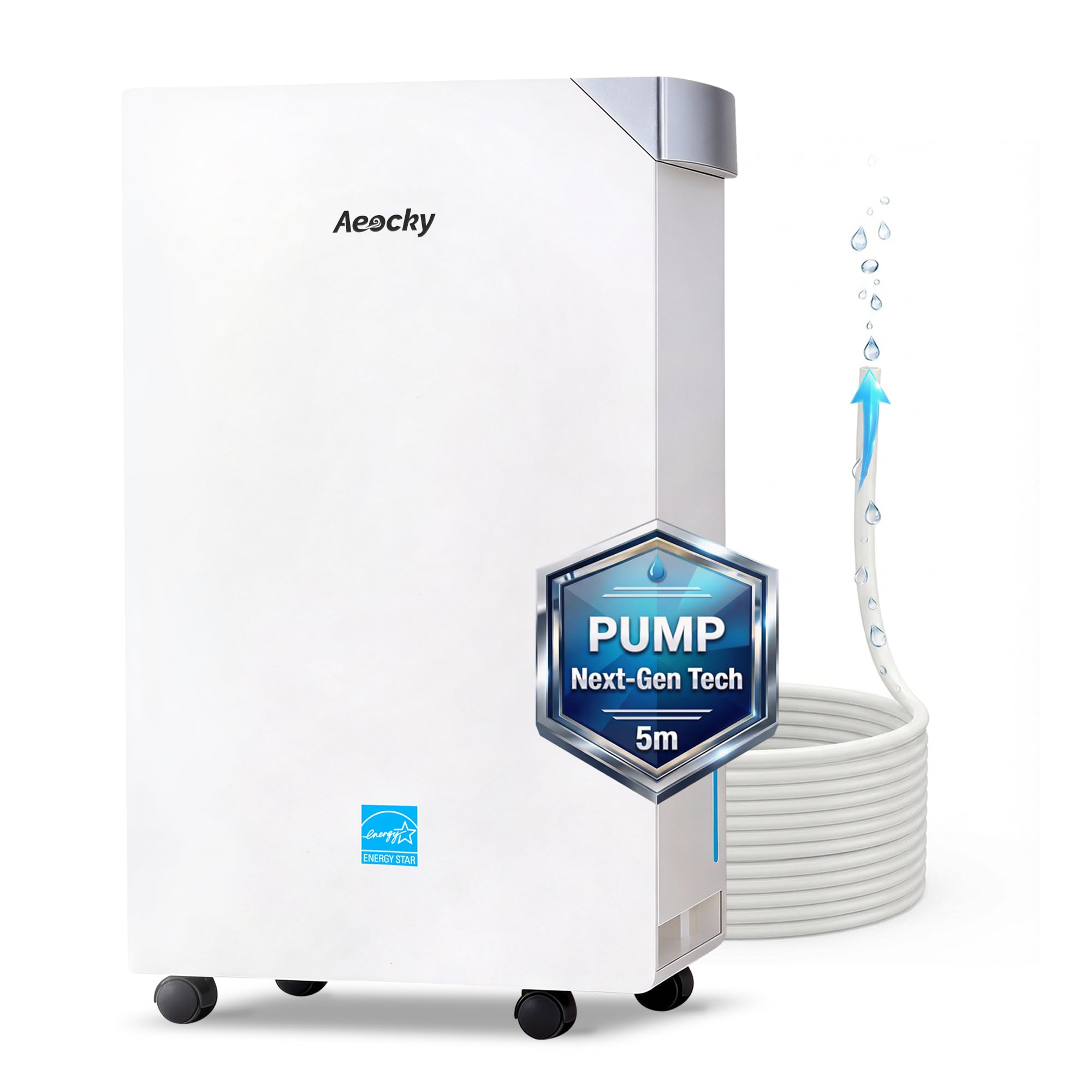
Conversely, the AEOCKY 4500 Sq.Ft Dehumidifier is equipped with a high‑capacity pump and advanced humidity control, yet it also lacks built‑in water treatment. Pairing it with a dedicated filtration rig maximizes safety while leveraging its large condensate output.
Regardless of the device, regular maintenance of filters and tanks prevents microbial growth. Empty the reservoir daily, clean with mild detergent, and allow all components to dry before reassembly.
Treatment Options for Safe Reuse
After filtration, additional treatment may be necessary depending on the intended reuse. Common methods include:
- Boiling: Heating condensate to a rolling boil for at least five minutes eliminates most bacteria and viruses.
- UV Disinfection: Exposing water to ultraviolet light at 254 nm destroys microbial DNA, providing a chemical‑free solution.
- Chlorination: Adding a measured amount of household bleach (5 % sodium hypochlorite) yields a residual disinfectant suitable for toilet flushing.
- Ozonation: Dissolving ozone gas in water offers rapid oxidation of organic contaminants, though equipment cost is higher.
For garden irrigation, a mild filtration system followed by a brief UV exposure is often sufficient, as most plants tolerate low levels of residual microbes. For indoor cleaning, a simple chlorine dip can prevent mold regrowth on surfaces.
It is essential to test treated water with a basic water‑quality kit to verify pH, conductivity, and microbial load before large‑scale application. Adjust pH if necessary to avoid plant damage.
Product Recommendations
When the primary goal is to generate ample condensate for reuse, capacity and reliability become decisive criteria. The BeOkay Small Dehumidifier offers a 1657 ml (58 oz) tank, adjustable lighting, and three operating modes, making it suitable for bedrooms, bathrooms, and small living spaces. Its low‑noise sleep mode operates below 40 dB, which is ideal for nighttime environments. The unit holds a 4.2‑star rating from 1,555 reviewers and is priced at $44.64.
For larger areas such as basements or open‑plan homes, the AEOCKY 4500 Sq.Ft Dehumidifier delivers up to 80 pint per day in high‑humidity conditions, features a 5 m upward‑drain pump, and carries the ENERGY STAR Most Efficient 2025 certification. Although the exact price is not listed, its advanced pump system eliminates the need for manual tank emptying, thereby simplifying condensate collection for treatment.
Both devices benefit from external filtration accessories. A compact sediment‑carbon filter kit (available separately) can be attached to the drain outlet of either model, ensuring that only clear water reaches the treatment stage.
Comparison and Selection Guide
| Feature | BeOkay Small Dehumidifier | AEOCKY 4500 Sq.Ft Dehumidifier |
|---|---|---|
| Coverage Area | Up to 230 ft² | Up to 4,500 ft² |
| Water Capacity | 1657 ml (58 oz) | Continuous pump‑drain (no tank limit) |
| Noise Level (Sleep Mode) | ≤ 40 dB | ≈ 50 dB (standard operation) |
| Energy Efficiency | Standard | ENERGY STAR Most Efficient 2025 |
| Price | $44.64 | Not disclosed (premium segment) |
| User Rating | 4.2 / 5 (1,555 reviews) | Not provided (brand reputation high) |
Choosing the appropriate model depends on space size, desired condensate volume, and budget. For apartments or single rooms, the BeOkay unit offers affordability and quiet operation. For whole‑house moisture control, the AEOCKY model provides superior capacity and energy savings, albeit at a higher initial cost.
Best Practices & Tips
- Place the dehumidifier in a central location away from direct sunlight to maintain consistent performance.
- Set the humidity target between 45 % and 55 % for optimal comfort and minimal condensate waste.
- Use a dedicated condensate collection container made of food‑grade plastic to avoid leaching of chemicals.
- Implement a routine cleaning schedule: empty the tank daily, wipe the interior with a solution of 1 % bleach, and rinse thoroughly.
- Integrate a multi‑stage filter before treatment to extend the life of UV or ozone devices.
- Document water usage and treatment outcomes to refine the process over time.
Frequently Asked Questions
- Is dehumidifier condensate safe for drinking? No, condensate is classified as non‑potable water and may contain airborne pollutants. It should only be used for non‑ingestible purposes after proper treatment.
- How often should the filter be replaced? Replace sediment filters every 2–3 months, and carbon filters every 6 months, or according to manufacturer guidelines.
- Can I connect the dehumidifier directly to a garden hose? Only models with a pump, such as the AEOCKY 4500 Sq.Ft Dehumidifier, can push water upward; otherwise, a gravity‑drain setup is required.
- What is the ideal pH for irrigation water? A pH range of 6.0–7.0 is optimal for most garden plants; adjust with mild acids or bases if needed after treatment.
- Does the night‑light feature affect water quality? The LED lights in the BeOkay Small Dehumidifier are sealed and do not contact the water, so they do not impact condensate purity.
- Is UV treatment sufficient for mold spores? UV-C at the correct dosage inactivates most mold spores, but combining UV with filtration yields the most reliable results.
- How much electricity will a large dehumidifier consume? The AEOCKY model, certified by ENERGY STAR Most Efficient 2025, consumes approximately 0.6 kWh per hour under typical load, translating to modest annual costs when operated responsibly.
Conclusion
Dehumidifier condensate, when filtered and treated correctly, offers a sustainable source of water for various household tasks. By understanding the science of condensation, selecting appropriate equipment, and following rigorous treatment protocols, one can reduce waste, lower utility bills, and contribute to environmental stewardship. The BeOkay Small Dehumidifier provides an economical entry point for modest spaces, while the AEOCKY 4500 Sq.Ft Dehumidifier serves larger environments with advanced efficiency. Implementing the best‑practice checklist ensures that condensate reuse remains safe, effective, and beneficial.
Products Featured in This Guide
BeOkay Small Dehumidifier
Price: $44.64
Rating: 4.2 out of 5 (1,555 reviews)
Featured because it offers a compact design, low noise operation, and an affordable price point suitable for small‑area moisture control.
AEOCKY 4500 Sq.Ft Dehumidifier
Price: Not disclosed (premium segment)
Rating: Not provided (brand holds high market validation)
Featured because it delivers industrial‑grade capacity, a built‑in pump for continuous drainage, and ENERGY STAR Most Efficient 2025 certification, making it ideal for large‑scale condensate collection.