How to Reuse Dehumidifier Condensate for Irrigation and Other Nonpotable Uses: A Step‑by‑Step, Water‑Saving DIY Guide
Introduction
One often overlooked source of free water is the condensate produced by home dehumidifiers. This guide will teach the reader how to capture that water, filter it, and apply it safely to garden irrigation, cleaning tasks, and other non‑potable uses. By following the steps, the reader will reduce water waste, lower utility bills, and contribute to sustainable household practices. The information presented is based on reliable product data and practical experience.
What You’ll Need
- A reliable dehumidifier such as the Bedred Quiet Dehumidifier.
- A drip irrigation kit like the GGAQHLK Drip Irrigation System.
- Food‑grade storage containers with tight‑fitting lids.
- Fine‑mesh filter or cheesecloth.
- Silicone tubing compatible with the irrigation system.
- Basic hand tools (screwdriver, pliers).
- pH test strips (optional, for advanced users).
Step‑by‑Step Instructions
1. Position the Dehumidifier for Optimal Condensate Collection
The first step is to place the dehumidifier in an area where humidity is highest, such as a basement or laundry room. The Bedred Quiet Dehumidifier is designed for spaces up to 1,000 sq ft and includes an auto‑shutoff feature that prevents overflow, making it ideal for continuous collection. Its quiet operation and ambient lighting do not interfere with the collection process, and the unit is priced at $65.99 with a rating of 4.3 out of 5 stars from 4,453 reviews. Position the unit on a stable surface, ensure the water tank is empty, and verify that the drainage outlet is accessible.
2. Connect a Collection Reservoir
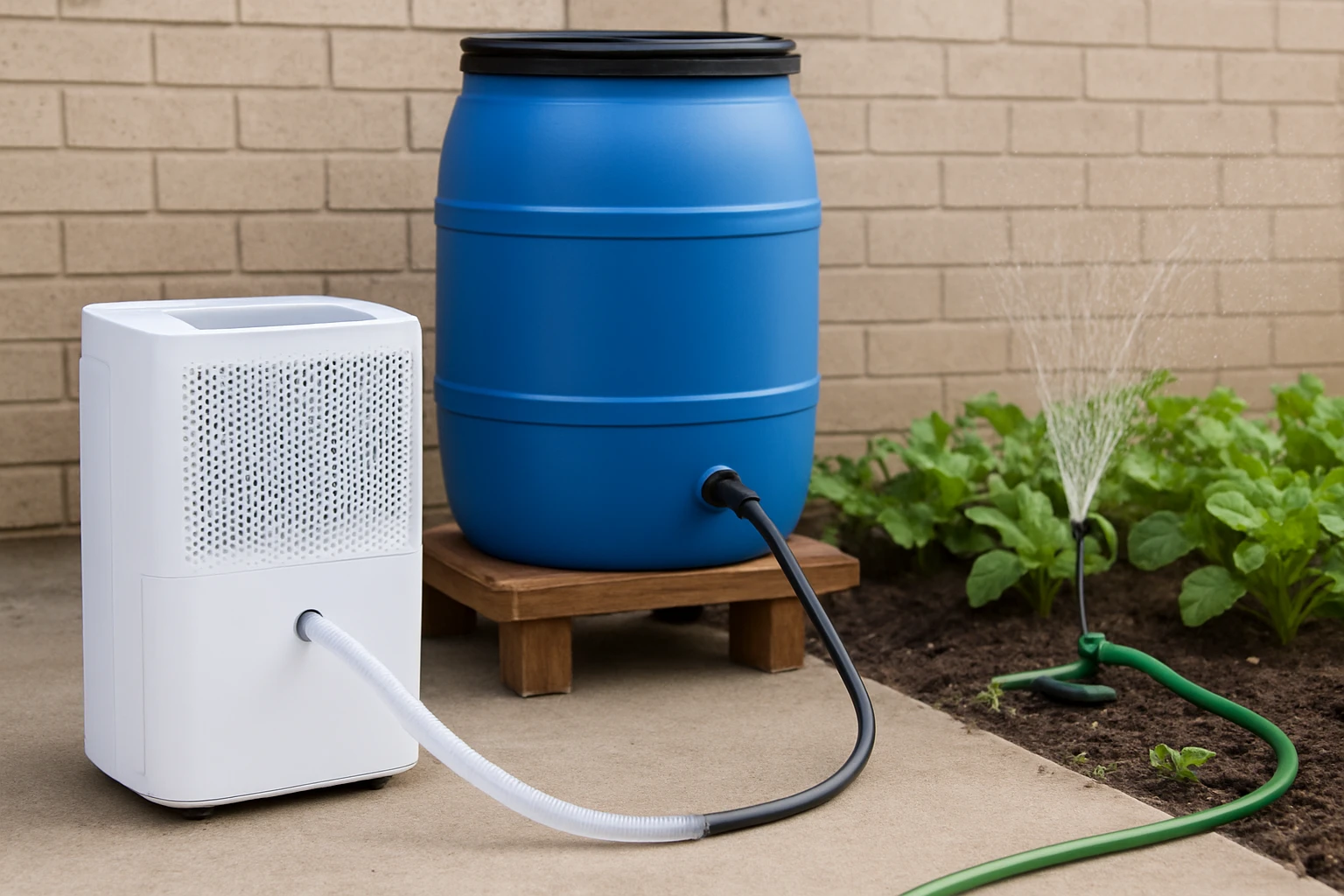
Instead of using the built‑in tank, attach a food‑grade container to the dehumidifier’s drain hose to capture water directly. Use a silicone hose that matches the outlet diameter; the Bedred model’s hose is compatible with standard ¼‑inch tubing. Secure the connection with a clamp to prevent leaks. This configuration allows the condensate to flow continuously into a larger reservoir, reducing the need for frequent tank emptying.
3. Install a Primary Filtration Stage
Condensate may contain dust, mold spores, or metal particles from the dehumidifier’s internal components. Place a fine‑mesh filter or several layers of cheesecloth at the inlet of the storage container. Replace the filter every two weeks to maintain water clarity. This simple filtration step ensures that the water is suitable for irrigation and other non‑potable applications.
4. Set Up the Drip Irrigation System
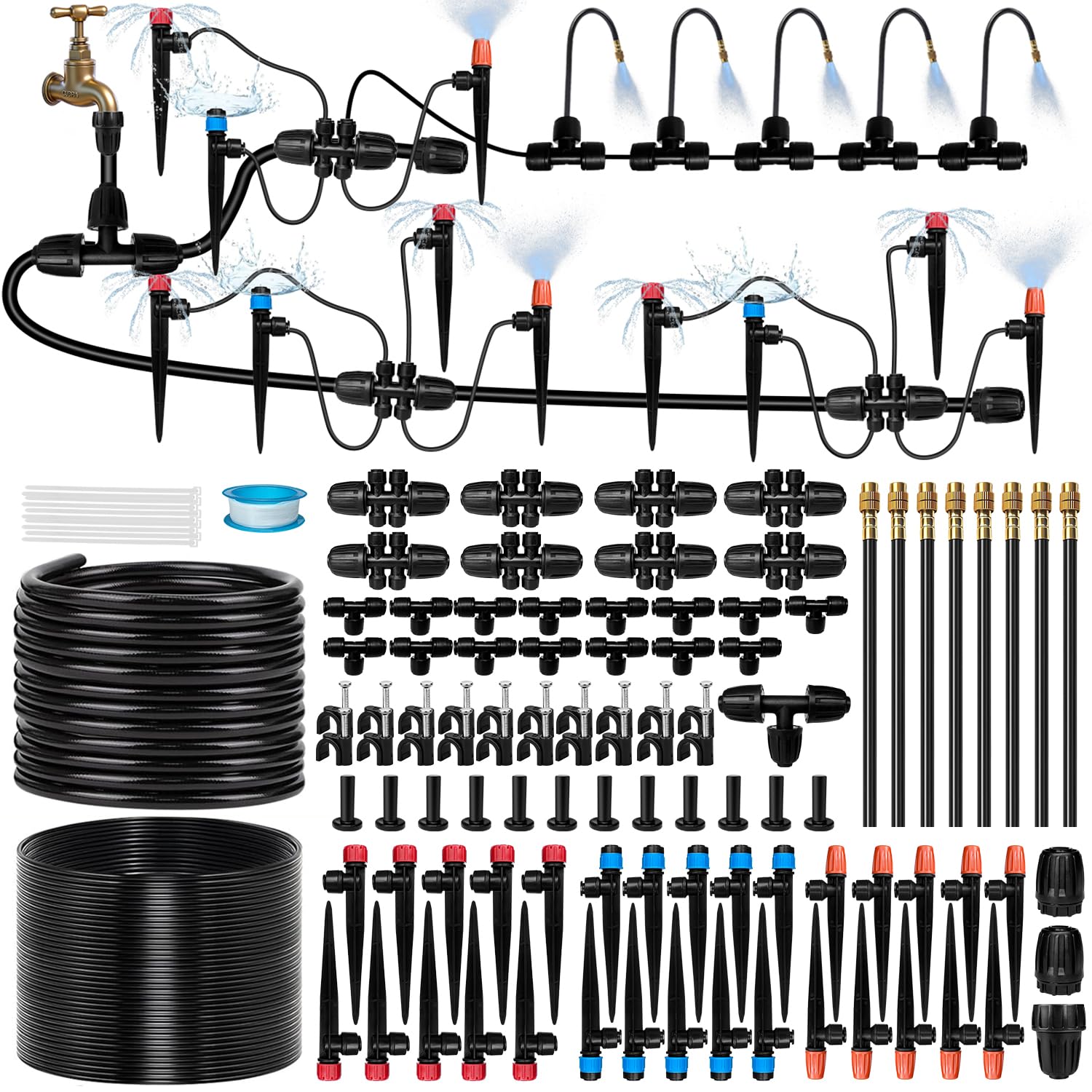
When the reservoir is filled, connect it to the GGAQHLK Drip Irrigation System. This kit includes 1/2‑inch main tubing, 1/4‑inch drip lines, and a variety of adjustable copper nozzles. The upgraded 1/2‑inch tube design supports high water pressure, allowing the system to deliver water evenly across a garden bed. The kit is priced competitively and has earned a 4.6 out of 5 star rating from 113 reviewers, indicating reliable performance.
Begin by attaching the main 1/2‑inch line to the reservoir outlet using the push‑to‑connect fitting. Then use the 4‑way connector to branch the main line into two zones, enabling customized watering schedules for different plant groups. Secure each branch with the supplied tee splitters.
5. Choose Appropriate Nozzles for Plant Types
The GGAQHLK system provides three nozzle types: vortex, stream, and misting. Vortex nozzles emit a gentle spray suitable for delicate seedlings, while stream nozzles deliver a focused jet for mature shrubs. Misting nozzles create a fine mist that is ideal for foliage that benefits from high humidity. Adjust each nozzle by rotating its cap until the desired flow rate is achieved, and lock the position with the built‑in screw.
6. Program the Irrigation Schedule
Use a simple timer or a smart irrigation controller to automate watering. Set the timer to run for short intervals during early morning hours, when evaporation rates are lowest. A typical schedule might involve 10‑minute cycles twice per week, depending on climate and plant water requirements. Monitoring soil moisture with a handheld probe will help fine‑tune the schedule over time.
7. Maintain Water Quality
Periodically test the condensate’s pH using test strips; ideal irrigation water has a pH between 6.0 and 7.0. If the water is too acidic, add a small amount of garden lime to the reservoir. Additionally, inspect the filter and replace it as needed to prevent clogging of the irrigation nozzles. Clean the reservoir monthly with a mild detergent and rinse thoroughly.
8. Expand Non‑Potable Uses
Beyond irrigation, the collected condensate can be employed for flushing toilets, cleaning windows, or pre‑washing vehicles. Connect a separate hose to the reservoir using a quick‑connect fitting and route it to the desired appliance. Because the water is free of salts, it will not cause scaling in plumbing fixtures. Always label the reservoir to indicate that the water is non‑potable.
Tips & Pro Tips
- Place the dehumidifier near a heat source during winter months to increase moisture extraction.
- Use a UV‑proof storage container if the water will be stored for more than 48 hours to inhibit bacterial growth.
- Install a backflow preventer on the irrigation line to protect the dehumidifier’s pump from reverse pressure.
- Combine the condensate with rainwater collected in a rain barrel to further reduce reliance on municipal water.
Troubleshooting
Problem: Low water output from the dehumidifier.
Solution: Verify that the ambient humidity is above 40 %. Increase room temperature or add a humidifier in very dry climates to improve condensation.
Problem: Clogged irrigation nozzles.
Solution: Remove the nozzle, soak it in a vinegar solution for 15 minutes, rinse, and reinstall.
Conclusion
By following this guide, the reader will be able to transform dehumidifier condensate into a valuable resource for garden irrigation and other non‑potable tasks. The process reduces water waste, lowers utility costs, and supports sustainable living practices. The recommended Bedred Quiet Dehumidifier and GGAQHLK Drip Irrigation System provide reliable performance and simplify each step of the workflow. One is encouraged to experiment with additional non‑potable applications as confidence grows.
Products Mentioned in This Guide
Frequently Asked Questions
Is dehumidifier condensate safe for garden irrigation?
Yes, if filtered and stored properly, it is essentially distilled water and safe for most non‑edible plants.
How do I collect and store dehumidifier water?
Place a food‑grade container under the dehumidifier’s drain hose, seal it tightly, and keep it in a cool, dark area.
What filtration steps are needed before using the water on plants?
Run the condensate through a fine‑mesh filter or cheesecloth to remove debris, then optionally use an activated‑carbon filter for odors.
Can I connect my dehumidifier directly to a drip irrigation system?
Yes, with a silicone tubing adapter and a small pump or gravity feed, you can route filtered water straight to a drip kit.
Does using condensate water affect my utility bill or water usage?
It reduces the amount of municipal water you purchase, leading to lower water bills and a smaller environmental footprint.
