How Often to Replace Your Sump Pump Alarm: The Ultimate Guide
Introduction
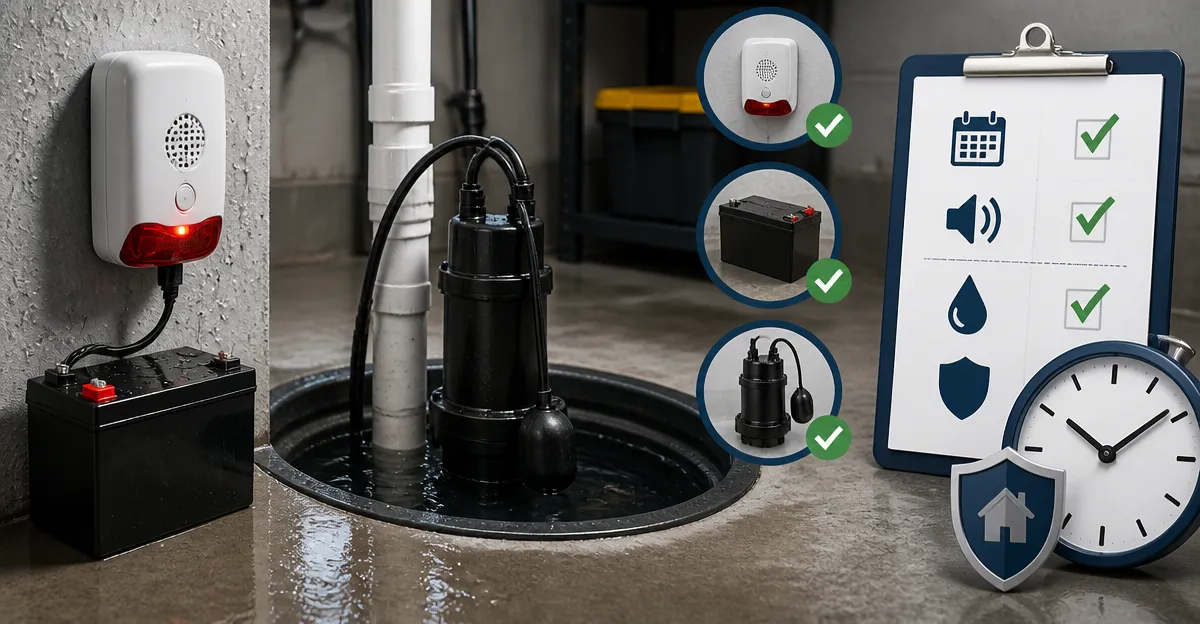
Homeowners rely on sump pump systems to keep basements dry during heavy rain or snow melt. The alarm component of a sump pump alerts occupants when the pump fails or when water reaches a critical level. This guide explains the typical lifespan of sump pump alarms, identifies signs that a replacement is needed, and offers actionable best‑practice recommendations. Readers will also receive expert product suggestions that enhance overall flood protection.
Background and Context
A sump pump consists of a motor, a float switch, and an alarm that emits an audible warning. The alarm may be a standalone battery‑powered unit or integrated into a smart sensor network. Understanding the technology behind these alarms helps users gauge wear patterns and maintenance needs. Most alarms are rated for several years of standby time, but real‑world conditions such as humidity, temperature fluctuations, and battery quality affect longevity.
Understanding Sump Pump Alarm Lifespan
The average operational lifespan of a reliable alarm ranges from three to five years, assuming proper installation and regular testing. Battery‑powered models often specify a standby period of two to five years, after which voltage degradation can cause false alerts or silence. Environmental factors such as exposure to moisture, dust, and corrosive chemicals can accelerate component fatigue. Manufacturers typically provide a low‑battery indicator, but it is prudent to schedule proactive replacements before the indicator triggers.
Key Factors That Influence Replacement Intervals
- Battery Type and Capacity: Alkaline or lithium batteries degrade at different rates; high‑drain alarms may require annual checks.
- Installation Environment: Locations with high humidity or temperature extremes experience faster corrosion of contacts.
- Usage Frequency: Alarms that sound frequently due to minor water events undergo more mechanical stress.
- Manufacturer Specifications: Warranty periods and stated lifespan provide a baseline for planning.
By evaluating these variables, homeowners can develop a customized replacement schedule that aligns with their risk tolerance and budget.
Recommended Products for Enhanced Monitoring
While a basic alarm fulfills the minimum safety requirement, advanced sensors offer remote notifications and longer battery life. The following products integrate seamlessly with existing sump pump systems and provide additional peace of mind.
METAK Water Leak Alarms
For households seeking a compact, wireless solution, METAK Water Leak Alarms deliver a 100 dB audible alert and feature dual‑probe designs for both pipe drips and floor flooding. Each unit operates on two AAA batteries and offers an estimated two‑year standby time with a low‑battery LED indicator. The IP66 waterproof rating ensures durability in damp basements, and the mute button allows occupants to silence the alarm after inspection.
GoveeLife Water Leak Detector
For users who desire smart home integration, GoveeLife Water Leak Detector provides Wi‑Fi connectivity, SMS/email alerts, and voice‑assistant reminders via Alexa. Its LoRa‑based long‑range technology reaches up to 1,968 ft, enabling coverage of large properties and multiple sensors on a single gateway. The device boasts a five‑year battery life and an IP66 rating, making it suitable for permanent installation near water heaters, laundry machines, and sump pits.
Geevon Water Leak Alarms
Budget‑conscious renters can benefit from Geevon Water Leak Alarms, which emit a 100 dB alarm and operate on a single 9 V battery with an approximate twelve‑month lifespan. The compact 3.15 in diameter design allows placement in tight spaces such as under sinks or in utility closets. Although not Wi‑Fi enabled, the device provides reliable local alerts and includes a 30‑day money‑back guarantee.
Comparison and Selection Guide
| Feature | METAK Water Leak Alarms | GoveeLife Water Leak Detector | Geevon Water Leak Alarms |
|---|---|---|---|
| Alarm Volume | 100 dB | 100 dB | 100 dB |
| Battery Type | 2 × AAA | 5‑year sealed lithium | 9 V (approx. 12 months) |
| Connectivity | None (standalone) | Wi‑Fi + LoRa (SMS/Email/App) | None (standalone) |
| Waterproof Rating | IP66 | IP66 | IP66 |
| Price (CAD/USD) | CAD 56.41 | $79.99 | $11.99 |
| Average Rating | 4.6/5 (1,064 reviews) | 4.5/5 (1,847 reviews) | 4.5/5 (2,977 reviews) |
| Best For | Simple, wireless alerts | Smart home integration | Cost‑effective basic protection |
When selecting a sump pump alarm, consider the following decision matrix:
- Determine if remote notifications are essential. If yes, prioritize Wi‑Fi enabled models such as GoveeLife.
- Assess budget constraints. Geevon offers the most affordable entry point without sacrificing alarm volume.
- Evaluate installation complexity. Standalone units like METAK require no wiring, making them ideal for DIY installation.
- Review battery replacement frequency. Longer battery life reduces maintenance effort, a key factor for infrequently visited basements.
Best Practices & Tips for Maintaining Your Alarm
Regular testing is the cornerstone of reliable flood protection. Conduct a monthly test by pressing the test button or briefly exposing the sensor to water; the alarm should sound loudly and, if applicable, send a notification to your phone. Replace batteries at least one year before the manufacturer‑stated end‑of‑life to avoid surprise failures. Keep the alarm’s contacts clean and free of corrosion by wiping them with a dry cloth after any water exposure.
Integrate the alarm with a broader home‑monitoring system when possible. Pairing a Wi‑Fi sensor with a smart hub enables automated actions such as turning on a sump pump backup generator or sending alerts to multiple household members. Document the alarm’s location, serial number, and installation date in a home maintenance log for future reference.
Consider redundancy by installing two alarms in critical zones: one near the pump pit and another at the highest point of potential water accumulation. Redundant alerts ensure that a single sensor failure does not leave the home unprotected.
Frequently Asked Questions
- How often should I replace the battery in my sump pump alarm?
- For AAA‑powered models such as METAK, replace the batteries every 12‑18 months. Lithium‑based units like GoveeLife often last five years, but annual visual checks are advisable.
- Can I install a wireless alarm in a wet environment without a housing?
- Yes, provided the device carries an IP66 rating, which guarantees protection against water jets and temporary immersion.
- What is the difference between a float switch alarm and a water‑sensor alarm?
- A float switch triggers when water reaches a predetermined level, while a water‑sensor detects moisture on its probes, offering earlier detection of slow leaks.
- Do smart alarms require a constant internet connection?
- Smart alarms such as GoveeLife need Wi‑Fi for remote notifications but retain local audible alerts even if the network is down.
- Is it necessary to have multiple alarms for a single basement?
- Multiple alarms improve coverage, especially in large or irregularly shaped basements where a single sensor may not detect water in distant corners.
- How can I test my alarm without creating a flood?
- Place a small amount of water on the sensor’s probe or use a damp cloth; the alarm should activate within seconds.
- What warranty should I expect from reputable brands?
- Most reputable brands offer at least a one‑year warranty; GoveeLife and METAK provide extended service periods and responsive customer support.
Conclusion
Understanding the lifespan and warning signs of sump pump alarms empowers homeowners to maintain continuous flood protection. By adhering to a proactive replacement schedule, testing batteries regularly, and selecting a product that matches one’s technological preferences, the risk of catastrophic water damage can be dramatically reduced. The featured products illustrate a spectrum of solutions—from basic wireless alerts to fully integrated smart systems—allowing readers to make informed decisions based on budget, convenience, and desired features.
Products Featured in This Guide
METAK Water Leak Alarms
Price: CAD 56.41 | Rating: 4.6/5 (1,064 reviews)
Featured for its compact wireless design, 100 dB alarm, dual‑probe detection, and two‑year battery life, making it an ideal standalone solution for basements.
GoveeLife Water Leak Detector
Price: $79.99 | Rating: 4.5/5 (1,847 reviews)
Featured for its Wi‑Fi connectivity, 1968 ft LoRa range, five‑year battery life, and integration with SMS, email, and voice assistants, providing comprehensive smart‑home alerts.
Geevon Water Leak Alarms
Price: $11.99 | Rating: 4.5/5 (2,977 reviews)
Featured for its ultra‑loud 100 dB alarm, affordable price point, and simple battery‑operated design, suitable for renters and budget‑conscious homeowners.