The Complete Guide to ROI on Waterproofing: How Sump Pumps & Dehumidifiers Save Money and Increase Home Value
Introduction
Water intrusion is one of the most costly threats to residential properties. Homeowners who invest in waterproofing measures often wonder whether the expense translates into measurable financial benefit. This guide explains the return on investment (ROI) associated with waterproofing, demonstrates how sump pumps and dehumidifiers contribute to cost savings, and outlines strategies for increasing overall home value. Readers will leave with a clear understanding of key concepts, product recommendations, and actionable best practices.
Background/Context
Moisture can damage structural components, promote mold growth, and degrade indoor air quality. In humid climates, basements and crawl spaces are especially vulnerable, leading to higher heating and cooling loads. The financial impact includes repair expenses, higher utility bills, and reduced resale value. Modern waterproofing solutions combine passive barriers (sealants, drainage mats) with active systems such as sump pumps and dehumidifiers to control water at its source.
ROI calculations consider three primary factors: initial capital outlay, ongoing operational savings, and the incremental increase in market value. By quantifying each element, homeowners can make data‑driven decisions about which technologies merit investment.
Understanding ROI on Waterproofing
To assess ROI, one must first estimate the avoided costs of water damage. Industry surveys indicate that a single flood event can exceed $10,000 in repairs, while chronic humidity may add $1,200–$2,500 annually in energy waste. When these avoided expenses are divided by the upfront cost of waterproofing, the resulting percentage illustrates the investment’s efficiency.
For example, a $2,500 basement sealing project that prevents $1,500 per year in energy losses yields a simple payback period of less than two years, equating to an ROI of roughly 60% per annum. Adding active devices such as a sump pump or dehumidifier can further accelerate payback by addressing water ingress that passive measures cannot fully eliminate.
Active Waterproofing Solutions
Sump Pumps
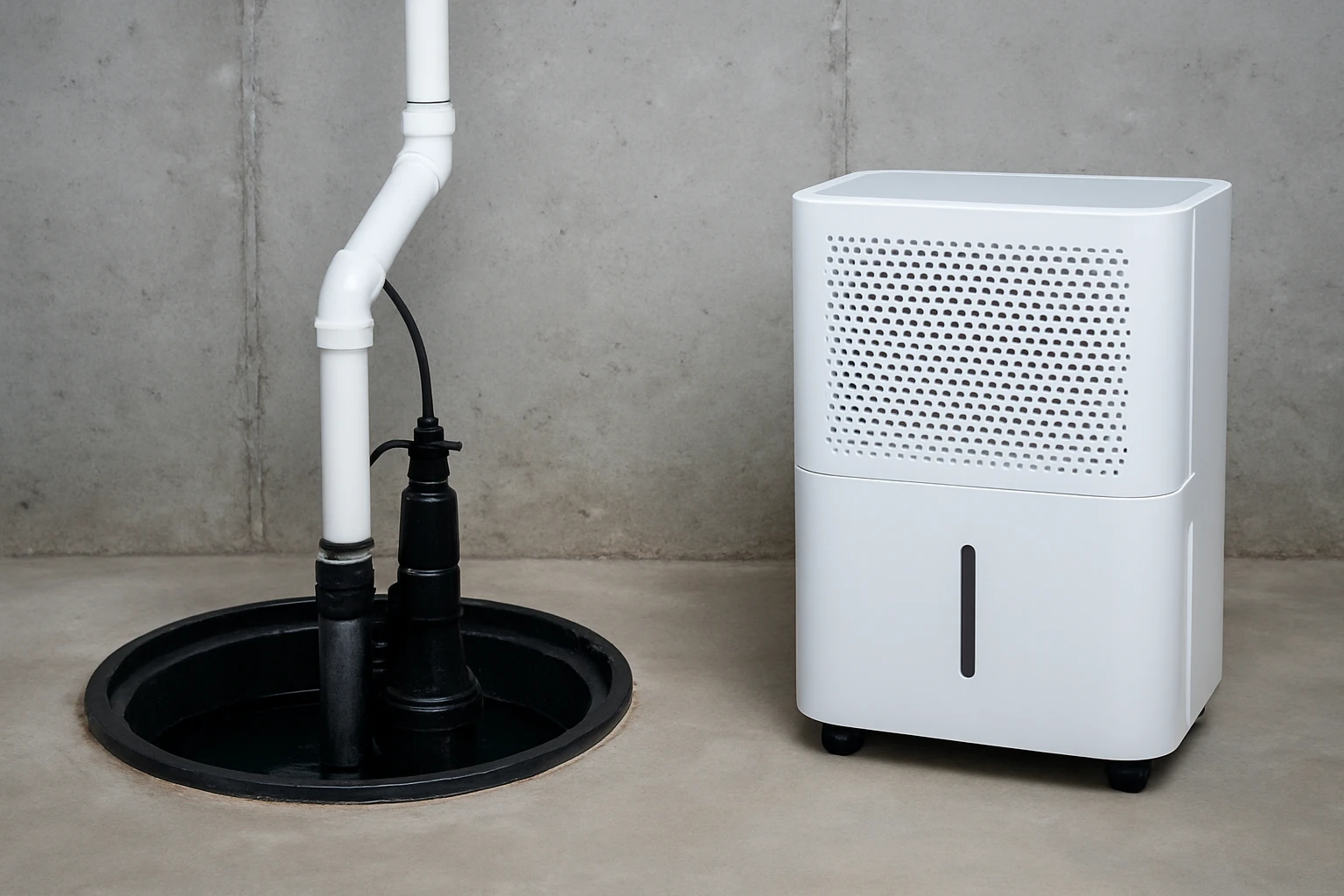
Sump pumps remove accumulated groundwater from basements before it can seep into living spaces. They operate on a float‑activated switch, automatically turning on when water reaches a preset level. Modern units feature battery backup, variable speed motors, and smart home integration, ensuring reliability during power outages.
Key performance metrics include pump capacity (gallons per hour), lift height, and power consumption. A pump rated for 4,000 gph with a 15‑foot lift can handle most residential flood scenarios while consuming less than 500 W, keeping operating costs modest.
When paired with a properly sealed foundation, a sump pump reduces the likelihood of foundation cracks, mold, and structural rot, all of which directly affect resale value. Home appraisers frequently note the presence of a functional sump system as a positive attribute, often adding 2–5% to the property’s market price.
Dehumidifiers
While sump pumps address bulk water, dehumidifiers control ambient moisture that remains after drainage. Maintaining indoor relative humidity between 30% and 50% optimizes HVAC efficiency, prevents mold, and preserves wood finishes.
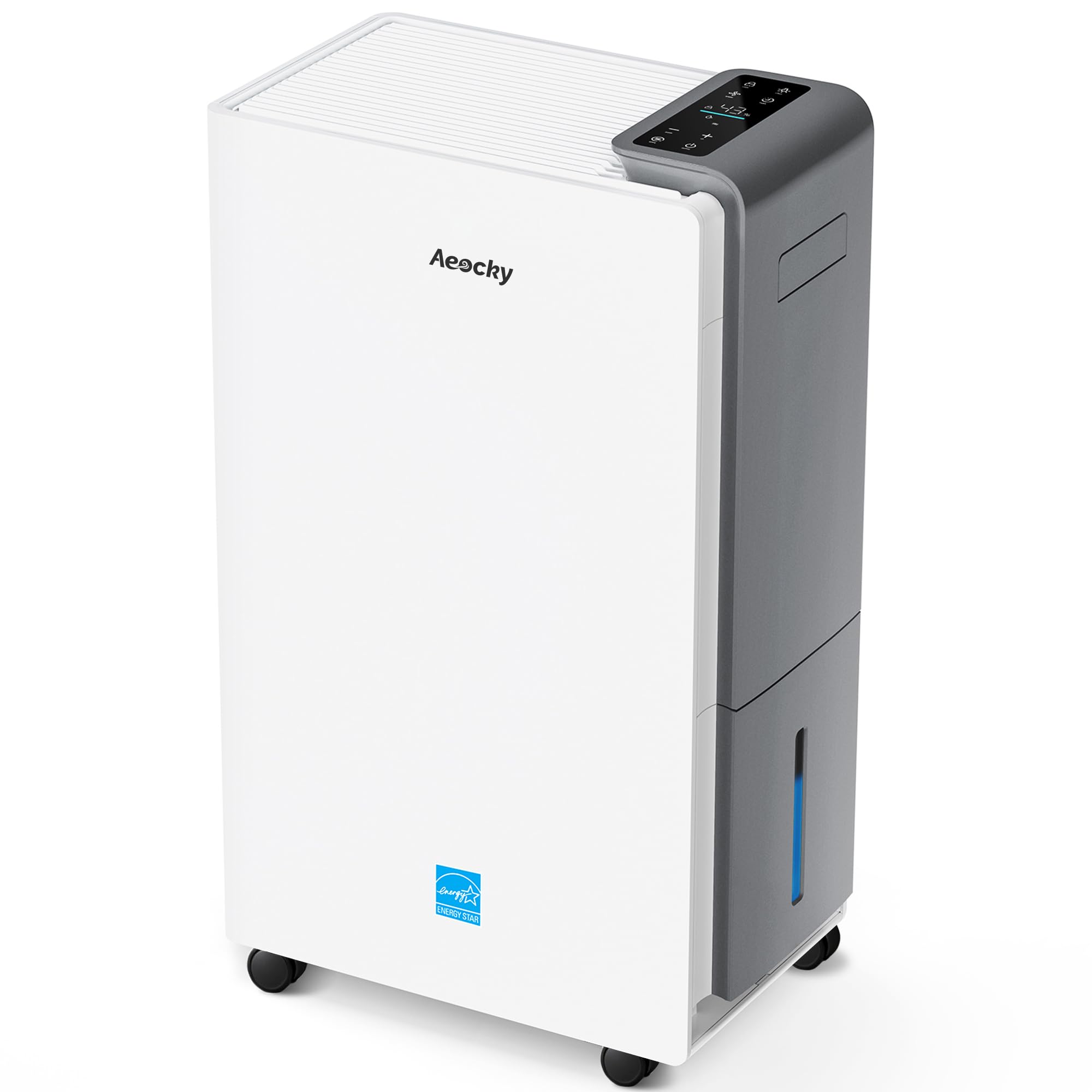
Among the many options on the market, the AEOCKY 80‑Pint Dehumidifier stands out for its ENERGY STAR Most Efficient 2025 certification. It can extract up to 80 pints of moisture per day in hot, humid conditions (95°F, 95% RH) and 59.3 pints in a typical basement environment (86°F, 80% RH). Its high‑efficiency rotor compressor, copper‑core heat exchangers, and smart humidity control deliver up to 50% greater efficiency than non‑certified models, translating to annual electricity savings of up to $1,000 when operated continuously.
Key specifications include:
- Coverage area: 4,500 sq ft
- Energy Star Most Efficient 2025 certification
- Smart humidistat with millisecond‑level detection
- Integrated drain hose for continuous operation
- Price: $249.99
- Rating: 4.4/5.0 based on 4,726 reviews
These attributes make the AEOCKY unit a cost‑effective addition to any waterproofing plan, especially in regions with prolonged summer humidity or damp basements.
Comparison/Selection Guide
Choosing the right active waterproofing system depends on climate, basement size, and budget. The table below compares typical sump pump and dehumidifier options, highlighting the AEOCKY model where relevant.
| Feature | Sump Pump (Standard) | Dehumidifier (Standard) | AEOCKY 80‑Pint Dehumidifier |
|---|---|---|---|
| Primary Function | Remove standing water | Reduce ambient humidity | Reduce ambient humidity with superior efficiency |
| Typical Capacity | 3,000–4,500 gph | 30–50 pints/day | 80 pints/day (95°F, 95% RH) |
| Energy Consumption | ~500 W | ~600 W | ~450 W (50% less than comparable units) |
| Annual Energy Cost (US$) | $70–$100 | $120–$180 | ≈$80 (savings of $40–$100 vs. non‑efficient models) |
| Initial Price | $250–$500 | $180–$300 | $249.99 |
| Warranty | 2–5 years | 1–3 years | 2 years (manufacturer) |
Homeowners in humid climates should prioritize a high‑capacity dehumidifier like the AEOCKY model, while those in flood‑prone areas may allocate more budget to a robust sump pump with battery backup.
Best Practices & Tips
- Conduct a moisture audit before purchasing. Use a hygrometer to measure baseline relative humidity and a moisture meter to detect hidden dampness in walls.
- Seal foundation cracks and install exterior drainage (French drains) to reduce the load on active devices.
- Position the dehumidifier centrally in the basement, ensuring at least six inches of clearance around the unit for optimal airflow.
- Set the humidistat to 45% for year‑round comfort; this range maximizes HVAC efficiency while preventing mold.
- Integrate the sump pump and dehumidifier with a smart home hub. Automated alerts can inform the homeowner of high water levels or excessive humidity, allowing rapid response.
- Schedule regular maintenance: clean the dehumidifier’s filter monthly, inspect the pump’s float mechanism quarterly, and test battery backup annually.
FAQ
- How long does it take to see a return on a dehumidifier? With the ENERGY STAR Most Efficient 2025 certification, the AEOCKY 80‑Pint Dehumidifier can save up to $1,000 per year on electricity. At its $249.99 price point, the simple payback period is approximately three months.
- Can a dehumidifier replace a sump pump? No. A dehumidifier controls ambient moisture, while a sump pump removes standing water. Both systems complement each other in a comprehensive waterproofing strategy.
- What size dehumidifier is appropriate for a 1,200 sq ft basement? A unit rated for 30–40 pints per day is sufficient. The AEOCKY model, rated for 80 pints, can cover larger spaces and provides future‑proofing for expansions.
- Do I need a battery backup for my sump pump? In regions with frequent storms, power outages are common. A battery‑backed pump ensures continuous operation, preventing flood damage during blackouts.
- How does waterproofing affect home resale value? Professional waterproofing can increase appraisal values by 2–5%, depending on market conditions and the thoroughness of the work.
- Is the ENERGY STAR Most Efficient 2025 label reliable? Yes. Only 2.6% of ENERGY STAR models achieve this designation, indicating superior energy performance verified by the U.S. Environmental Protection Agency.
- What maintenance does the AEOCKY dehumidifier require? Clean the air filter monthly, inspect the drain hose for clogs quarterly, and perform a full unit reset annually to maintain optimal efficiency.
Conclusion
Investing in waterproofing delivers measurable financial benefits through reduced repair costs, lower energy consumption, and enhanced property value. Sump pumps address immediate water intrusion, while high‑efficiency dehumidifiers such as the AEOCKY 80‑Pint Dehumidifier manage residual humidity and generate substantial utility savings. By following the selection guide, best‑practice checklist, and maintenance schedule outlined in this article, homeowners can maximize ROI and protect their investment for years to come.
Products Featured in This Guide

AEOCKY 80‑Pint Dehumidifier
Price: $249.99
Rating: 4.4/5.0 (4,726 reviews)
Why featured: This ENERGY STAR Most Efficient 2025 certified unit delivers up to 80 pints of moisture removal per day, offers smart humidity control, and provides up to 50% energy savings compared with standard dehumidifiers, making it a cornerstone of cost‑effective waterproofing.
Frequently Asked Questions
What is the typical ROI for installing a sump pump in a residential basement?
A well‑installed sump pump can yield 70‑100% ROI by preventing water damage costs and lowering insurance premiums.
How do dehumidifiers contribute to energy savings in a home?
By maintaining optimal humidity, dehumidifiers reduce HVAC load, often cutting heating and cooling bills by 5‑10%.
Can waterproofing increase my home’s resale value?
Yes, homes with documented waterproofing typically sell 2‑5% higher because buyers see lower risk of future repairs.
What are the most cost‑effective waterproofing methods for crawl spaces?
Combining a vapor barrier with a low‑profile dehumidifier and proper drainage provides strong protection at a modest price.
How often should I maintain my sump pump and dehumidifier to protect ROI?
Inspect and test the sump pump quarterly and clean the dehumidifier’s filter monthly to ensure optimal performance and avoid costly failures.