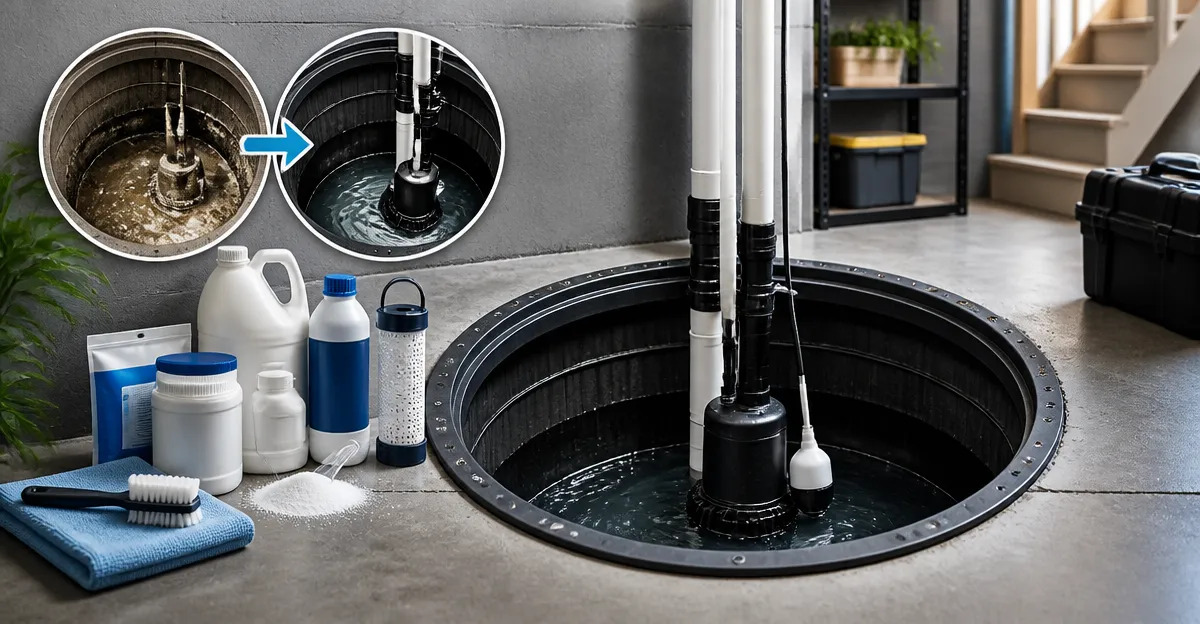
How to Prevent Sump Pit Bacteria and Odors: Complete Guide to Best Management Practices
Introduction
Basement sump pits are essential for protecting homes from flooding, yet they can become breeding grounds for bacteria and foul odors if not properly maintained. This guide explains why these problems arise, outlines the science behind microbial growth, and provides actionable steps to keep your pit clean, dry, and odor‑free. Readers will learn foundational concepts, practical maintenance routines, and which high‑quality products can simplify the process.
Background and Context
When water enters a sump pit, it creates a moist environment that supports the proliferation of anaerobic bacteria, mold spores, and algae. These microorganisms metabolize organic matter, releasing volatile compounds such as hydrogen sulfide and methane, which are perceived as rotten‑egg or sewage odors. In addition, stagnant water can attract insects and contribute to rust on pump components.
Key factors that influence bacterial growth include:
- Temperature: Warm water (above 20 °C) accelerates microbial metabolism.
- Organic load: Dust, dirt, and debris provide nutrients for bacteria.
- Stagnation: Lack of circulation allows anaerobic zones to develop.
- Material composition: Certain metals can corrode, creating additional nutrients for microbes.
Understanding these variables helps homeowners implement targeted interventions rather than relying on generic cleaning schedules.
Core Management Strategies
1. Ensure Proper Pump Operation and Sizing
A pump that cannot keep pace with inflow will allow water to linger, fostering bacterial colonies. Selecting a pump with adequate horsepower and flow rate is crucial.
The Wayne CDU980E Submersible Sump Pump delivers up to 5,490 GPH, making it suitable for most residential basements. Its 3/4 HP motor, vertical float switch, and top‑suction anti‑airlock design reduce the likelihood of air lock and clogging, ensuring continuous water removal. With a 5‑year warranty and a 4.6‑star rating from over 3,400 reviewers, it combines reliability with quiet operation.
2. Incorporate Trash Pump for Debris‑Heavy Situations
In basements prone to construction debris, sand, or soil intrusion, a standard sump pump may become clogged quickly. A dedicated trash pump can pre‑filter larger particles before they reach the primary pump.
The Tsurumi HS2.4S Submersible Trash Pump features a semi‑vortex impeller and integrated agitator that handle solids up to 0.3 inches. Its 1/2 HP motor moves 2,340 GPH and includes a 20‑ft cord for flexible placement. Rated 4.6 stars by more than 600 users, it offers durability and UL/CSA certification, making it ideal for heavy‑duty dewatering tasks.
3. Regular Cleaning and Disinfection
Even with optimal pump performance, periodic cleaning prevents biofilm buildup. Follow these steps every three months:
- Turn off power to the pump and disconnect the discharge hose.
- Remove the pump and inspect the impeller for debris.
- Scrub the pit walls with a brush and a solution of one part bleach to ten parts water.
- Rinse thoroughly and allow the pit to dry before reinstalling the pump.
For added protection, apply a non‑toxic antimicrobial coating approved for concrete surfaces. These coatings inhibit bacterial adhesion without harming pump components.
4. Enhance Air Circulation
Oxygenated water discourages anaerobic bacteria. Installing a small vent or using a low‑flow aerator can introduce oxygen, reducing odor‑producing activity. Ensure any vent is equipped with a backdraft damper to prevent pests from entering.
5. Manage Temperature
If your basement experiences warm temperatures, consider insulating the pit or installing a thermostatically controlled heater that maintains water at or below 15 °C. Cooler water slows microbial metabolism, extending the interval between deep cleanings.
Comparison and Selection Guide
| Feature | Wayne CDU980E Submersible Sump Pump | Tsurumi HS2.4S Submersible Trash Pump |
|---|---|---|
| Primary Use | Standard residential sump removal | Debris‑heavy dewatering and construction sites |
| Flow Rate | 5,490 GPH (≈4600 GPH quoted by manufacturer) | 2,340 GPH (≈39 GPM) |
| Motor Power | 3/4 HP | 1/2 HP |
| Material | Cast iron & stainless steel | Stainless steel housing with semi‑vortex impeller |
| Warranty | 5 years | 2 years |
| Rating | 4.6/5 (3,461 reviews) | 4.6/5 (608 reviews) |
| Price (CAD/USD) | CAD 310.64 | $298.40 |
Choose the Wayne pump when the primary concern is high‑volume water removal with minimal maintenance. Opt for the Tsurumi model when the pit regularly receives sand, soil, or construction debris that could clog a conventional sump pump.
Best Practices & Tips
- Install a pre‑filter screen: A 1/4‑inch mesh screen over the pit inlet captures larger particles before they reach the pump.
- Schedule seasonal inspections: Verify float switch operation and check for corrosion after winter freeze‑thaw cycles.
- Use a back‑up battery system: Power outages are common during storms; a battery backup ensures the pump continues to run, preventing prolonged water exposure.
- Maintain proper discharge slope: The discharge pipe should have a minimum 1% slope to promote drainage and avoid water pooling near the pit.
- Document maintenance: Keep a log of cleaning dates, filter changes, and any pump repairs. This record helps identify patterns and schedule proactive service.
Frequently Asked Questions
1. Why do sump pits develop a rotten‑egg smell?
The odor is typically hydrogen sulfide released by anaerobic bacteria thriving in stagnant, warm water. Reducing stagnation and introducing oxygen are the most effective countermeasures.
2. Can I use household bleach safely in my sump pit?
Yes, a diluted bleach solution (1:10) can disinfect the pit without harming most pump components. Rinse thoroughly afterward to avoid corrosion.
3. How often should I replace the float switch?
Float switches are generally durable for 5–7 years. Replace them if they become sluggish, corroded, or fail a manual test.
4. Is a trash pump necessary for a residential basement?
If your basement frequently receives sand, soil, or construction debris, a trash pump like the Tsurumi HS2.4S protects the primary sump pump from clogging and extends its service life.
5. What temperature range is ideal for minimizing bacterial growth?
Keeping pit water below 15 °C (59 °F) significantly slows bacterial metabolism. Insulation or a small cooling unit can achieve this in warm climates.
6. Do I need a professional to install a vent?
While a simple vent can be DIY‑installed, ensuring a proper backdraft damper and airtight seal is best handled by a qualified contractor.
7. How can I detect early signs of pump failure?
Listen for abnormal noises, monitor the float switch response time, and check for reduced flow rate during a controlled test run.
Conclusion
Preventing bacteria and odors in a sump pit requires a combination of proper pump selection, regular maintenance, and environmental control. By using a high‑capacity pump such as the Wayne CDU980E Submersible Sump Pump, adding a trash pump like the Tsurumi HS2.4S Submersible Trash Pump when needed, and following the best‑practice checklist, homeowners can maintain a dry, odor‑free basement year‑round.
Products Featured in This Guide
Wayne CDU980E Submersible Sump Pump
Price: CAD 310.64 | Rating: 4.6/5 (3,461 reviews)
Featured because its 3/4 HP motor and 5,490 GPH flow rate provide reliable water removal, while the vertical float switch and anti‑airlock design reduce stagnation that can lead to bacterial growth.
Tsurumi HS2.4S Submersible Trash Pump
Price: $298.40 | Rating: 4.6/5 (608 reviews)
Featured because its semi‑vortex impeller and integrated agitator handle sand and debris up to 0.3 in., preventing clogs that can cause water to sit and promote odor‑producing bacteria.