Introduction
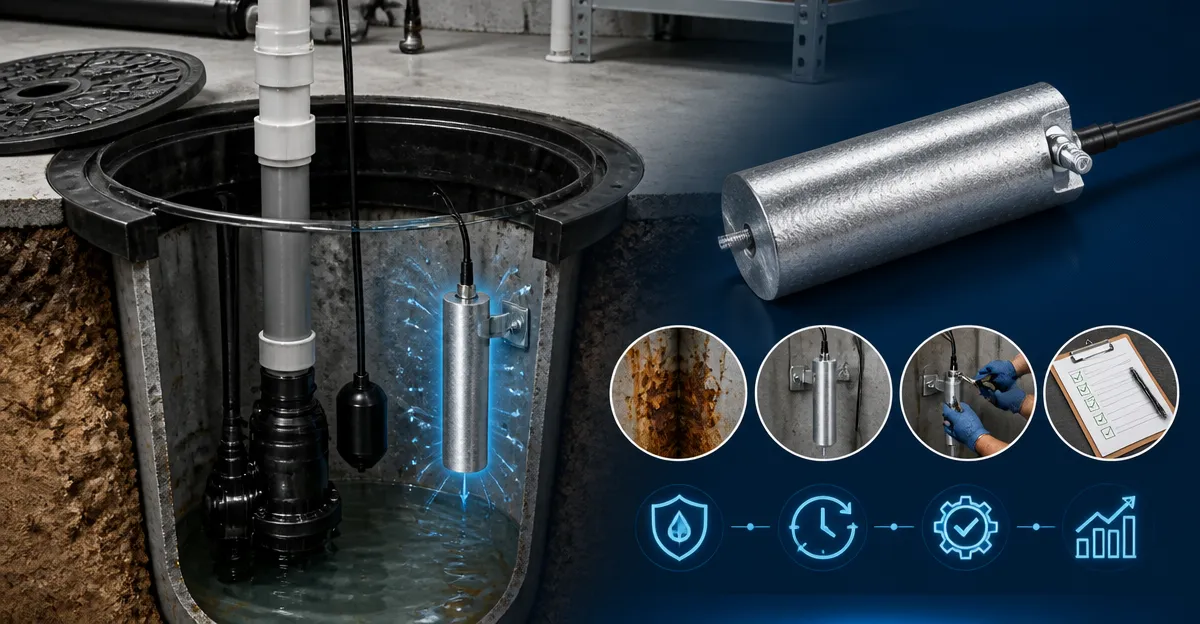
The purpose of this guide is to provide a thorough understanding of sacrificial anodes used in sump pits and related water‑holding systems. Readers will learn why corrosion occurs, how anodes protect metal components, and which products deliver reliable performance. The article also covers installation techniques, routine maintenance, and a detailed comparison of popular anode options. By the end of the guide, one will be equipped to select, install, and care for the most appropriate anode for any sump pit application.
Background and Context
Corrosion is an electrochemical process that degrades metal when it is exposed to water and dissolved ions. In a sump pit, the metal tank or pipe is often made of steel, which is more "noble" than the anode material. When a sacrificial anode is installed, it becomes the preferred site for oxidation, thereby preserving the surrounding steel. This principle is known as cathodic protection and has been employed in marine, plumbing, and pool industries for decades.
The term "sacrificial" refers to the intentional consumption of the anode material. Common anode metals include magnesium, zinc, and aluminum. Each metal exhibits a different electrochemical potential, which influences its rate of consumption and suitability for various water chemistries. Understanding these fundamentals is essential before selecting a product.
Key Concepts and Product Recommendations
Three categories of anodes dominate the market: solid magnesium rods, flexible magnesium rods, and zinc‑based weights. Solid magnesium rods provide rapid protection in soft water but may corrode too quickly in hard water. Flexible magnesium rods, such as the Flexible Magnesium Water Heater Anode Rod, break into segments that navigate tight spaces, making them ideal for cramped sump pits. Zinc‑based weights, exemplified by the TonGass Zinc Anode Weights, are effective in salt‑water environments and provide passive cathodic protection without the need for a long rod.
When evaluating a product, consider the following attributes:
- Material composition and its compatibility with local water chemistry.
- Physical dimensions that fit the available space inside the sump pit.
- Installation accessories such as socket tools, Teflon tape, or cable ties.
- Customer rating and review sentiment, which indicate real‑world reliability.
Below are brief overviews of the five products that are highlighted throughout this guide.
Product Overviews
Generic Sacrificial Anodes – A pack of two standard magnesium rods measuring 3.75 inches each. Priced at $45.65, these rods are marketed for marine applications but are equally suitable for sump pits. The product description emphasizes rugged design and ease of use.
Flexible Magnesium Water Heater Anode Rod – This 44‑inch flexible rod is divided into four hinged segments, each less than 12 inches, allowing installation in confined spaces. It includes a 1‑1/16″ hex socket tool and Teflon tape. The price is $28.99 and it holds a 4.7‑star rating from 546 reviews.
TonGass Zinc Anode Weights – A two‑pack of compact zinc disks, each weighing 5.6 ounces and measuring 3¼ inches in diameter. The set includes two cable ties for secure mounting. It costs $15.99 and carries a 4.6‑star rating based on 271 reviews.
HertzEagle Powered Water Heater Anode Rod – An electrically powered titanium anode that eliminates sulfur odor within 24 hours. It consumes only 10 kWh per year, costs $89.99, and enjoys a 4.8‑star rating from 296 reviewers. The unit includes a 20‑year extended warranty.
Pool Tool Inline Zinc Anode – An inline zinc anode designed for pool plumbing, featuring a see‑through housing for easy replacement. The price is $99.00 and it has a 4.7‑star rating from 518 reviews. Only 13 units remain in stock.
Comparison and Selection Guide
Choosing the right anode requires matching product characteristics to the specific conditions of the sump pit. The table below summarizes the key specifications of each featured product.
| Product | Material | Length / Size | Price (USD) | Rating | Best For |
|---|---|---|---|---|---|
| Generic Sacrificial Anodes | Magnesium | 3.75 in (pack of 2) | 45.65 | N/A | Standard sump pits with moderate water hardness |
| Flexible Magnesium Water Heater Anode Rod | Magnesium | 44 in (flexible, 4 segments) | 28.99 | 4.7/5 (546 reviews) | Tight spaces where a solid rod cannot be inserted |
| TonGass Zinc Anode Weights | Zinc | 3.25 in diameter, 0.25 in thick (2 pcs) | 15.99 | 4.6/5 (271 reviews) | Salt‑water pools or spas, also suitable for corrosion‑prone metal fittings |
| HertzEagle Powered Water Heater Anode Rod | Titanium (electrically powered) | Fits 40‑89 gallon tanks | 89.99 | 4.8/5 (296 reviews) | Eliminating sulfur odor and extending tank life in well water systems |
| Pool Tool Inline Zinc Anode | Zinc | 2 in slip connections | 99.00 | 4.7/5 (518 reviews) | Inline installation in pool plumbing without additional fittings |
When the water in a sump pit contains high levels of dissolved salts, zinc anodes tend to outlast magnesium rods because zinc corrodes at a slower rate. Conversely, in soft water environments, magnesium provides a more aggressive sacrificial action, protecting steel more quickly. The powered anode from HertzEagle is a premium solution for users who experience persistent hydrogen sulfide odor, as it does not rely on material consumption.
Best Practices and Maintenance Tips
Proper installation and regular inspection are critical to ensuring that the anode performs as intended. Follow these guidelines:
- Drain the sump pit partially before removing the old anode. This reduces water pressure and prevents accidental spillage.
- Use the supplied socket tool (for flexible magnesium rods) or an adjustable wrench sized to the anode threads. The standard thread size for most residential tanks is ¾‑inch NPT.
- Apply Teflon tape to the threads to create a watertight seal. Ensure the tape is wrapped clockwise so it does not unwind during tightening.
- Secure zinc weights with cable ties or stainless‑steel bolts to prevent movement caused by water flow.
- For powered anodes, verify that a grounded electrical outlet is within reach and that the power leads are connected to a metal screw on the tank as instructed.
- Schedule an inspection every 12 months. Visually assess the anode for signs of excessive wear, such as thinning, cracking, or complete dissolution.
- Replace the anode when more than 50 % of its original mass has been consumed. This threshold is recommended by most manufacturers to maintain effective protection.
Document each maintenance activity in a logbook, noting the date, observed condition, and any corrective actions taken. This practice simplifies warranty claims and provides a clear history for future homeowners.
Frequently Asked Questions
1. How does a sacrificial anode differ from a powered anode?
A sacrificial anode is a metal piece that corrodes preferentially, while a powered anode uses an impressed electrical current to halt corrosion without material loss.
2. Can I use a marine‑grade magnesium rod in a residential sump pit?
Yes, marine‑grade magnesium rods, such as the Generic Sacrificial Anodes, are suitable for most residential applications, provided the water hardness is not excessively high.
3. What safety precautions should I take when handling anodes?
Wear gloves to avoid direct contact with sharp edges, and ensure the power to the water heater is shut off before working on powered units.
4. How often should I replace a zinc anode weight?
Replace the zinc weight when visual inspection shows that roughly half of the metal has been consumed, typically every 2‑3 years in salt‑water pools.
5. Is it necessary to replace the anode in a new water heater?
New water heaters are shipped with a factory‑installed anode that is designed to last several years. However, early replacement with a higher‑performance anode can extend the tank’s service life.
6. Can I install an anode myself without professional assistance?
Yes, the majority of anodes are designed for DIY installation. The key is to have the correct tools, follow the manufacturer’s torque specifications, and observe safety protocols.
Conclusion
Sacrificial anodes are a cost‑effective method for preventing corrosion in sump pits, water heaters, and pool systems. By understanding the underlying electrochemical principles, selecting the appropriate material, and adhering to best‑practice installation procedures, homeowners can protect valuable assets for decades. Whether one chooses a simple magnesium rod, a flexible segmented design, a zinc weight, or an advanced powered titanium unit, the essential goal remains the same: preserve metal integrity and maintain water quality.
Products Featured in This Guide
Generic Sacrificial Anodes
Price: $45.65 | Rating: Not available
Featured because it provides a standard magnesium solution that is widely compatible with typical sump pit dimensions.
Flexible Magnesium Water Heater Anode Rod
Price: $28.99 | Rating: 4.7/5 (546 reviews)
Featured for its segmented design that enables installation in confined sump pits where a solid rod would not fit.
TonGass Zinc Anode Weights
Price: $15.99 | Rating: 4.6/5 (271 reviews)
Featured because zinc provides long‑lasting protection in salt‑water environments and includes cable ties for secure mounting.
HertzEagle Powered Water Heater Anode Rod
Price: $89.99 | Rating: 4.8/5 (296 reviews)
Featured for its electronic corrosion protection that eliminates sulfur odor and offers a 20‑year warranty.
Pool Tool Inline Zinc Anode
Price: $99.00 | Rating: 4.7/5 (518 reviews)
Featured because it integrates directly into pool plumbing, allowing visual monitoring of anode depletion without additional fittings.