Introduction
Hurricane season brings the risk of heavy rain, flooding, and high humidity that can damage a home’s lowest level. A well‑prepared basement can prevent costly repairs, preserve stored belongings, and maintain a healthy indoor environment. This article presents twelve essential actions that homeowners can take, combining practical maintenance with reliable equipment available on Amazon.
Each recommendation is supported by a product that has proven performance, strong customer ratings, and features designed for extreme weather conditions. By following these steps, one can create a resilient barrier against water intrusion while ensuring that essential systems such as pumps and dehumidifiers operate without interruption.
12 Essential Hurricane‑Season Basement Prep Tips
-
Inspect the Primary Sump Pump
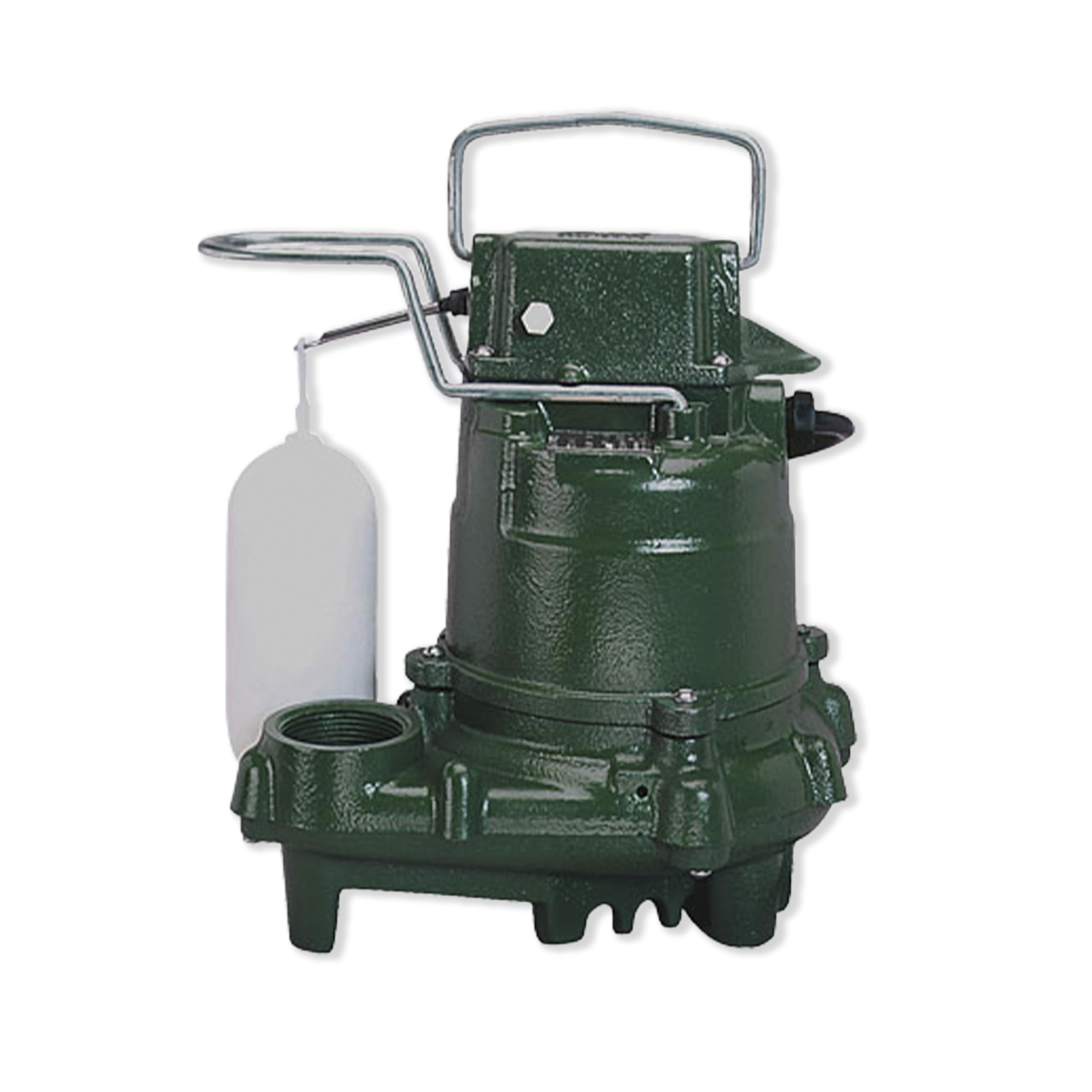
Begin by confirming that the main sump pump operates correctly. The Zoeller M57 Sump Pump offers a 3/10 HP oil‑filled motor housed in cast iron, which provides superior heat dissipation and longevity. At a price of $251.23, it holds a 4.5‑star rating from 882 reviews, with users praising its non‑clogging vortex impeller and solid polypropylene float that does not become waterlogged. One reviewer noted, "The pump removed water quickly during a storm and never overheated." Verify the float switch, test the discharge line, and clean any debris that could impede flow.
-
Install a Backup Automatic Drain Pump
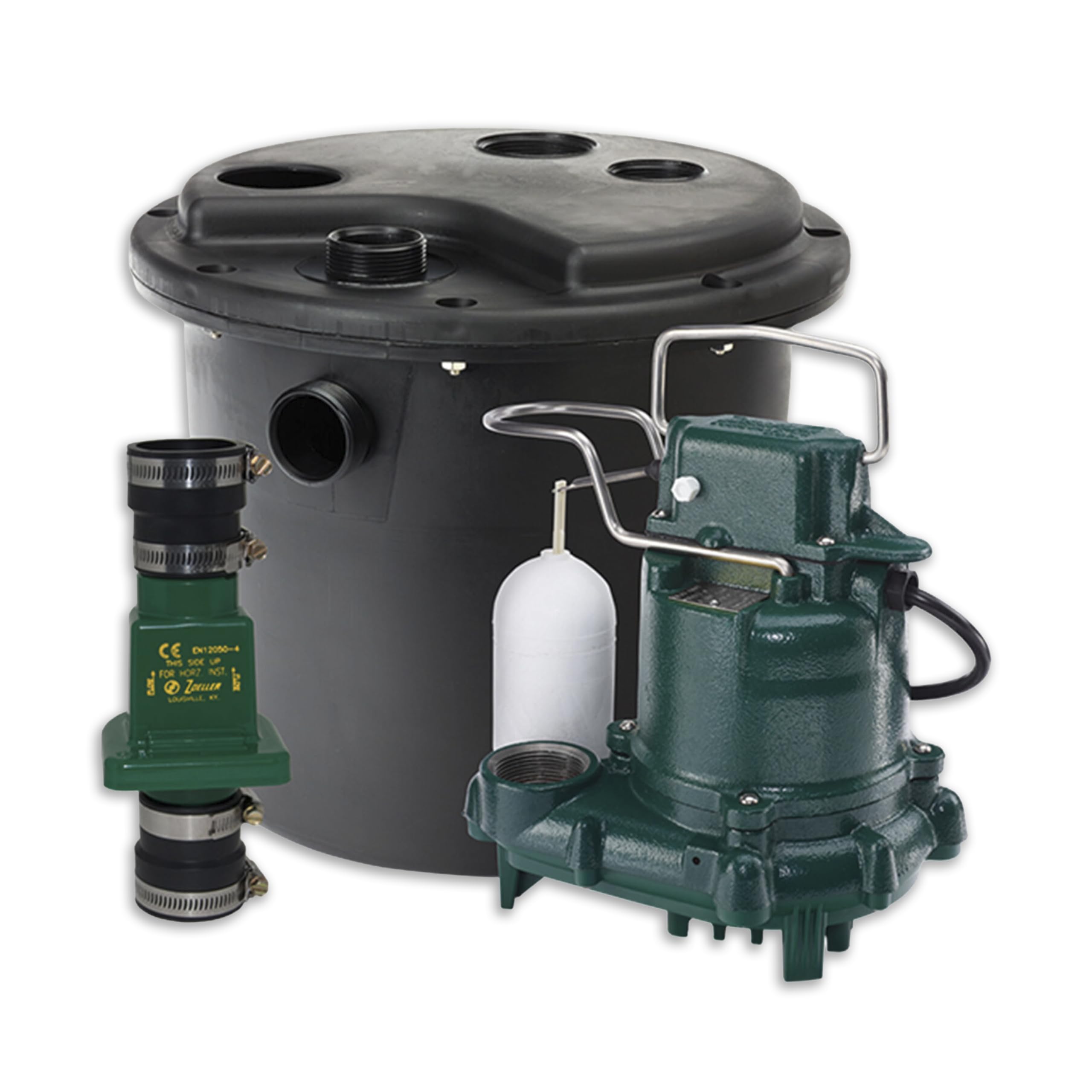
Even a reliable primary pump can fail during prolonged rain, so a secondary system adds redundancy. The Zoeller Automatic Drain Pump System includes a 3/10 HP submersible pump with a non‑clogging vortex impeller capable of handling solids up to ½ inch. Priced at $295.03, it carries a 4.6‑star rating from 1,007 reviews, with customers highlighting its compact, corrosion‑resistant design that fits under utility sinks. A typical comment reads, "Installation was straightforward and the pump has prevented backups in my laundry room." Position the unit under a sink or in a utility area where gravity flow is unavailable.
-
Deploy a Smart Water Leak Detection System
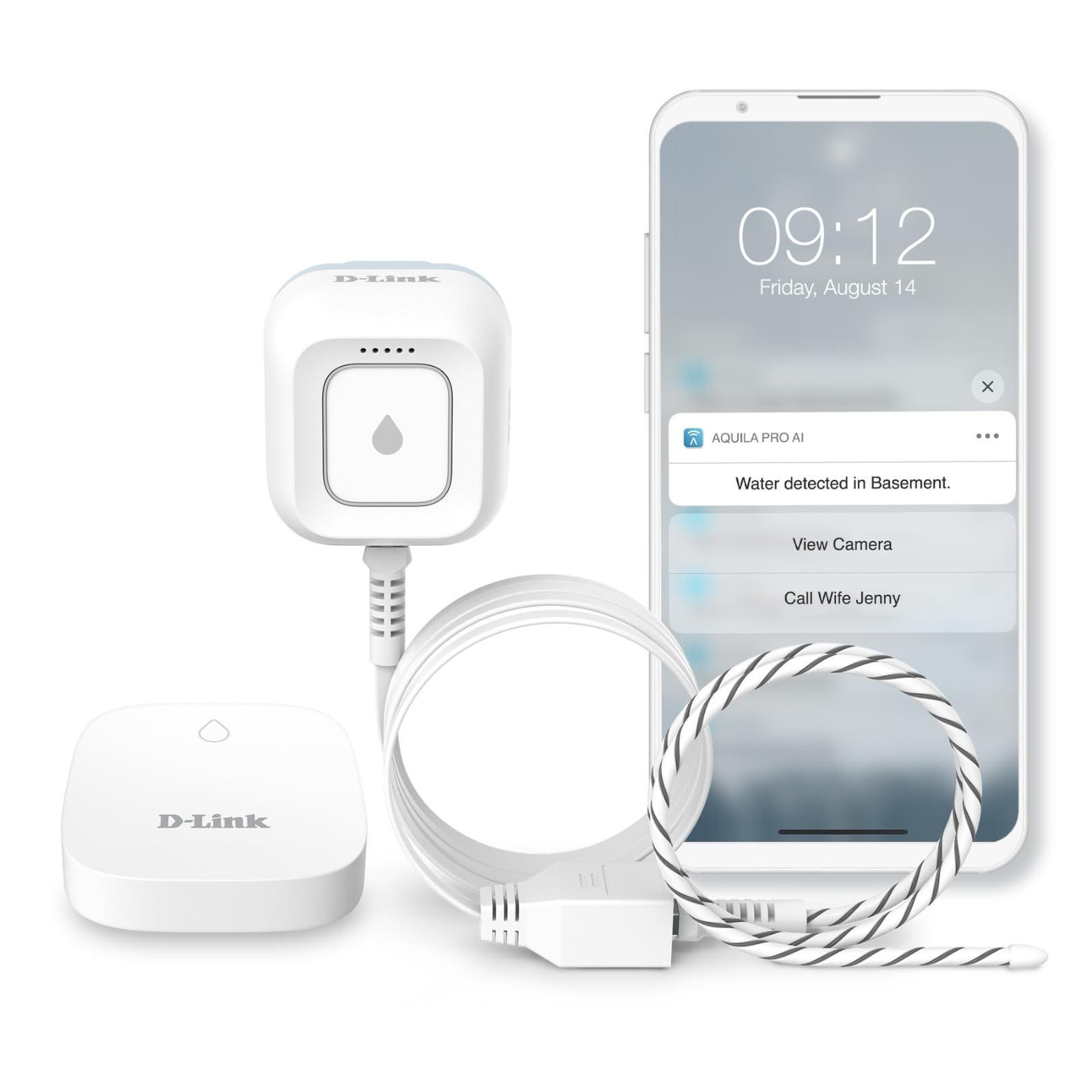
Early detection of leaks can stop water damage before it spreads. The D-Link WiFi Water Leak Detector Kit monitors two locations out of the box and can be expanded to protect up to 17 areas. It costs $67.99 and has a 4.1‑star rating from 825 reviews; users appreciate the 100 dB alarm, LED strobe, and instant smartphone alerts. One homeowner wrote, "The app warned me of a slow leak under the washing machine, saving me from a flooded basement." Place the master unit near the sump pump and the wireless pod under sinks or behind appliances.
-
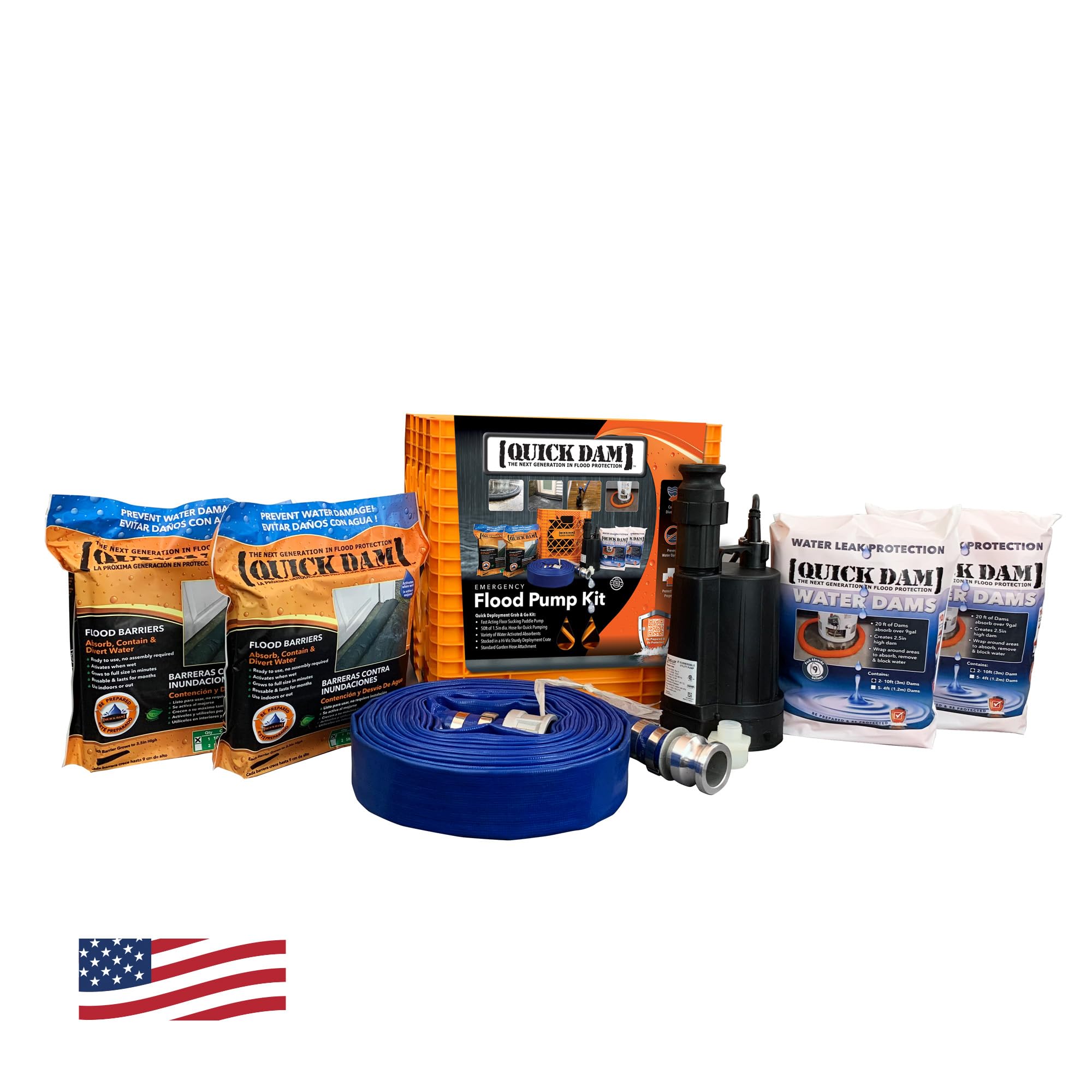
Prepare an Emergency Flood Pump Kit
If floodwaters exceed the capacity of installed pumps, a portable pump can remove water quickly. The Quick Dam Emergency Flood Pump Kit includes a high‑quality portable pump capable of moving 30 gpm at a 20‑foot incline, a 50‑foot lay‑flat hose, and reusable flood barriers. Priced at $370.00, it holds a perfect 5‑star rating from a single review that praised its ease of use. The kit also provides a heavy‑duty HDPE crate for transport and storage. Deploy the pump in the lowest point of the basement and use the barriers to direct water toward the discharge hose.
-
Service and Clean Dehumidifier Filters
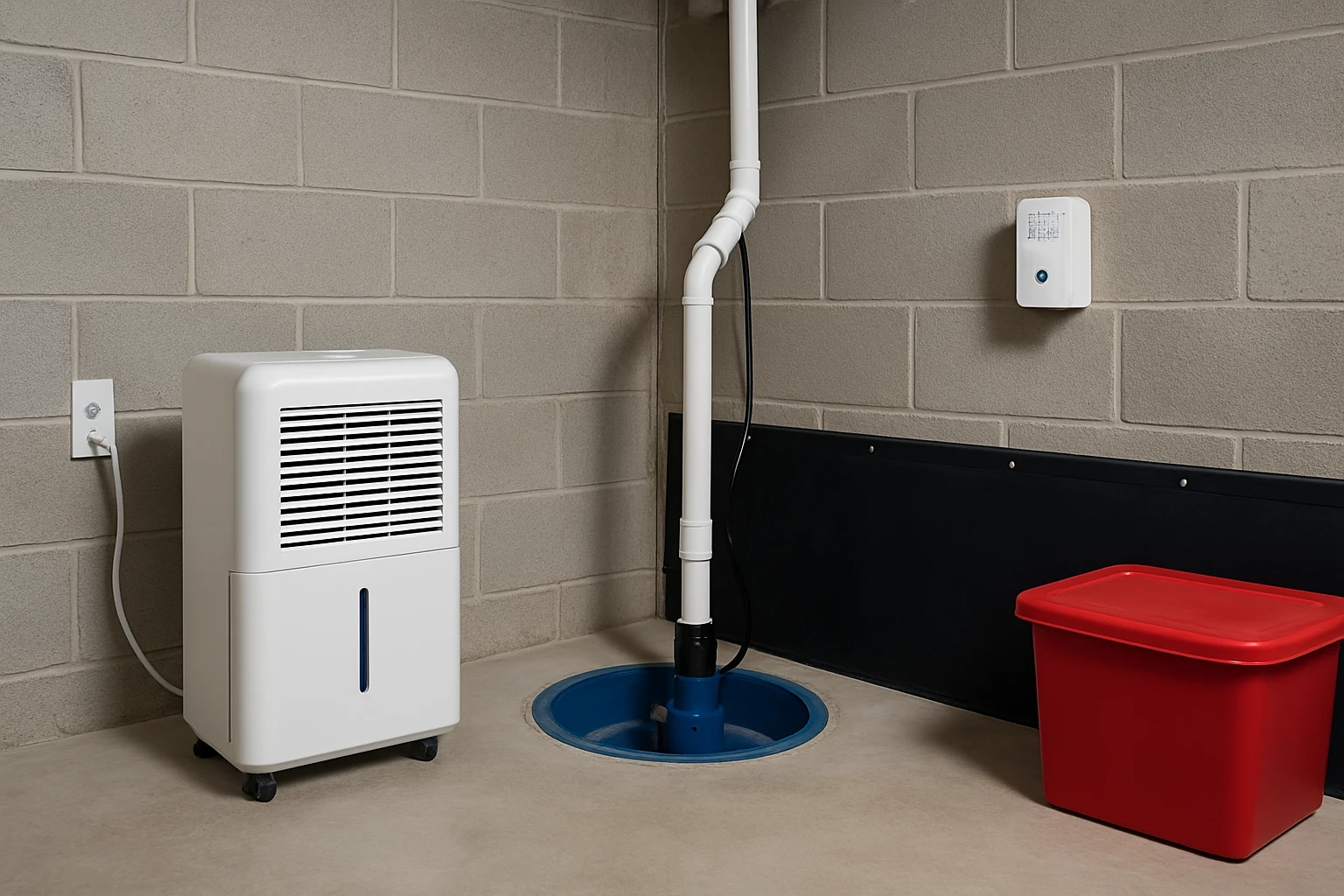
High humidity can foster mold growth, so a dehumidifier must run efficiently. Turn off power, remove the air filter, and vacuum any dust accumulation. Replace the filter if it appears worn, and clean the water collection bucket with mild detergent. Regular maintenance ensures the unit can remove up to 70 pints of moisture per day, a capacity often required during prolonged storms.
-
Seal Cracks and Openings in Walls and Floors
Even small gaps can allow water infiltration. Apply a polyurethane sealant to any visible cracks, and consider installing a waterproofing membrane on exterior walls. This preventative measure works in concert with the sump pump system, reducing the load on mechanical equipment during heavy rain events.
-
Install Check Valves on Discharge Pipes
A check valve prevents water that has been pumped out from flowing back into the sump pit. The valve should be installed on the vertical section of the discharge pipe, oriented to allow flow outward only. This simple component can be purchased separately and installed with basic tools, providing an additional safeguard against backflow.
-
Provide Battery Backup for All Pump Systems
Power outages are common during hurricanes; a battery backup ensures continuous operation. Connect a deep‑cycle battery to the pump’s control panel using a compatible inverter. Test the backup system weekly by simulating a power loss, confirming that the pump activates automatically.
-
Arrange Flood Barriers and Sandbags Around Entry Points
Quick‑deploy barriers, such as those included in the Quick Dam kit, can be placed around doors, windows, and low‑lying vents. Sandbags stacked in a staggered fashion provide additional height and weight, directing water away from the foundation. Combine these physical defenses with the pump system for a layered protection strategy.
-
Utilize the Automatic Drain Pump for Utility Areas
Basements often contain wet bars, laundry sinks, and utility drains that lack gravity flow. The Zoeller Automatic Drain Pump System excels in these applications, moving water efficiently while handling lint and food particles that could clog traditional drains. Install the unit beneath the sink cabinet, connect the discharge hose to a floor drain, and test the system with a bucket of water.
-
Set Up Mobile Alerts for Leak Detection
Integrate the D‑Link leak sensors with your smartphone to receive real‑time notifications. The system also supports voice announcements via Google Assistant, allowing hands‑free alerts when you are away from home. Configure the app to trigger a secondary pump if a leak is detected, creating an automated response loop.
-
Conduct a Final Walkthrough and Document the Setup
Before the storm season begins, walk through the basement and verify that all pumps are powered, sensors are positioned, and barriers are stored in accessible locations. Record serial numbers, warranty information, and maintenance dates in a dedicated log. This documentation simplifies future troubleshooting and warranty claims.
Comparison of Key Flood‑Control Products
| Product | Primary Function | Flow Capacity | Price | Rating |
|---|---|---|---|---|
| Zoeller M57 Sump Pump | Primary basement water removal | 2,580 gph | $251.23 | 4.5/5 (882 reviews) |
| Zoeller Automatic Drain Pump System | Secondary pump for utility sinks | Non‑clogging vortex impeller (solids up to ½") | $295.03 | 4.6/5 (1,007 reviews) |
| D‑Link WiFi Water Leak Detector Kit | Smart leak detection and alerts | Monitors 2 areas (expandable to 17) | $67.99 | 4.1/5 (825 reviews) |
| Quick Dam Emergency Flood Pump Kit | Portable emergency water removal | 30 gpm at 20‑ft incline | $370.00 | 5/5 (1 review) |
Conclusion
Protecting a basement during hurricane season requires a combination of preventive maintenance, reliable equipment, and intelligent monitoring. By inspecting primary and backup pumps, deploying smart leak sensors, and preparing an emergency flood pump kit, one can mitigate the most common sources of water damage. Regular upkeep of dehumidifiers, sealing of structural openings, and the strategic placement of barriers further strengthen the defense.
Implementing the twelve steps outlined in this guide will provide homeowners with confidence that their lower level can withstand heavy rainfall, power outages, and unexpected leaks. The recommended products, each backed by strong customer satisfaction, represent a cost‑effective investment in long‑term resilience.
Frequently Asked Questions
How often should I test my primary sump pump before hurricane season?
Test the sump pump at least once a month by pouring water into the pit to ensure it starts and removes water quickly.
What are the key features to look for in a hurricane‑season sump pump?
Choose a pump with a cast‑iron housing, oil‑filled motor, at least 3/10 HP, and a built‑in float switch for reliable operation.
Why is a basement dehumidifier important during a hurricane?
High humidity can cause mold and damage belongings, so a dehumidifier keeps moisture levels low and protects indoor air quality.
Can I rely on a battery backup for my sump pump during power outages?
Yes, a battery backup ensures the pump runs when the grid fails, providing continuous water removal during storms.
What simple maintenance tasks can prevent basement flooding?
Seal cracks, clean gutters, install flood barriers, and regularly inspect and clean the sump pump and discharge line.