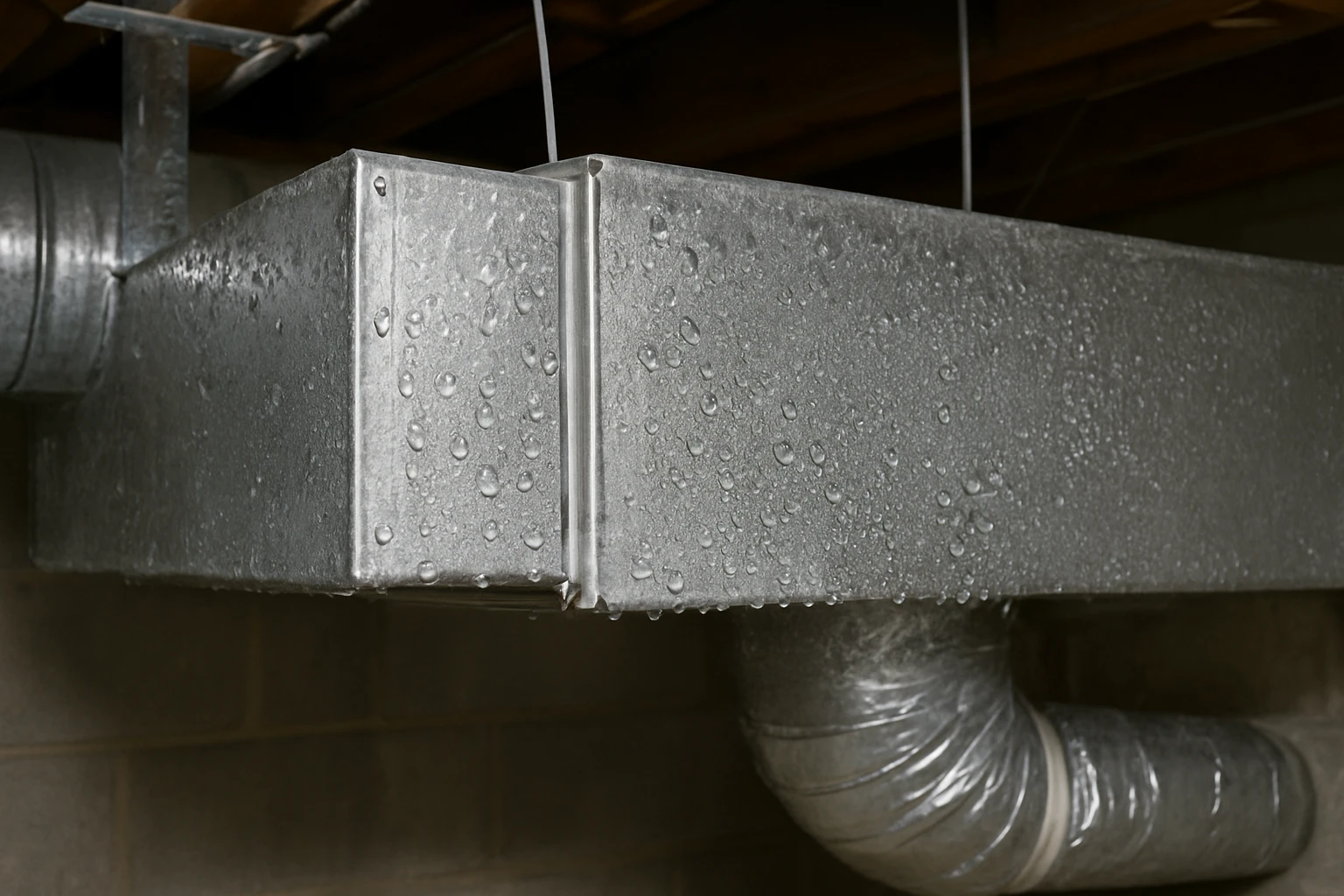

Basement Ductwork Condensation: Ultimate Guide to Causes, Prevention & Solutions
Introduction
The presence of moisture on basement ductwork can lead to mold growth, reduced HVAC efficiency, and structural damage. This guide explains the scientific reasons behind condensation, outlines practical prevention strategies, and presents reliable solutions for homeowners and professionals. Readers will gain a clear understanding of how temperature differentials, humidity levels, and duct insulation interact in a typical basement environment. By the end of the article, one will be equipped to diagnose problems, select appropriate materials, and implement long‑lasting fixes.
Background and Context
Condensation occurs when warm, moist air contacts a surface that is colder than the air's dew point, causing water vapor to transition into liquid form. In basements, ductwork is often exposed to cooler concrete walls and lower ambient temperatures, creating ideal conditions for moisture accumulation. The HVAC system continuously circulates air, and any inadequately insulated section of duct becomes a cold bridge where moisture can collect. Understanding psychrometrics—the study of air‑water relationships—is essential for diagnosing the root cause of the problem.
Typical basement climates feature relative humidity levels between 45 % and 60 %, with temperature fluctuations that can exceed 10 °F between seasons. When supply ducts carry warm air from the furnace upward, the inner surface of the duct may be several degrees cooler than the surrounding air, especially if the duct lacks proper insulation. This temperature differential drives condensation, which can then seep into surrounding insulation, framing, or flooring.
Identifying the Sources of Condensation
Three primary factors contribute to condensation on basement ductwork: inadequate insulation, high indoor humidity, and poor duct routing. Inadequate insulation allows the metal surface of the duct to lose heat rapidly, dropping below the dew point of the passing air. High indoor humidity, often caused by insufficient ventilation or moisture‑producing activities, raises the dew point, making condensation more likely. Poor duct routing, such as running ducts through unconditioned crawl spaces, exposes them to colder environments for extended periods.
Homeowners can perform a simple visual inspection to locate wet spots, rust, or mildew on ducts. Using a hygrometer to measure relative humidity and a surface thermometer to check duct temperature provides quantitative data. If the duct surface temperature is consistently below the measured dew point, condensation is inevitable unless corrective actions are taken.
Insulation Strategies for Basement Ductwork
Proper insulation is the most effective method for preventing condensation. Insulation creates a thermal barrier that keeps the duct surface temperature above the surrounding air's dew point. Common insulation materials include fiberglass batts, foam pipe sleeves, and reflective foil tape. Each material offers distinct advantages in terms of R‑value, flexibility, and ease of installation.
For metal ducts, reflective foil tape provides a dual function: it adds a thin layer of insulation while also sealing joints to prevent air leakage. The Romeda Aluminum Foil Tape is a premium choice because it combines a 3.9 mil (0.1 mm) foil thickness with a pressure‑sensitive adhesive that remains effective from –120 °C to 130 °C. Its UV‑resistant, moisture‑resistant, and heat‑resistant properties ensure durability in the variable conditions of a basement.
Sealing Duct Joints and Connections
Even with adequate insulation, air leaks at duct joints can create localized cold spots that foster condensation. Sealing these joints eliminates drafts and improves overall system efficiency. Traditional duct tape often fails under high temperature and humidity, losing adhesion and leaving residue.
The Romeda Aluminum Foil Tape excels in this application because its adhesive maintains a strong bond across a wide temperature range and does not wrinkle or curl during removal. The tape can be torn easily by hand, leaving no residual glue, which simplifies maintenance and re‑sealing tasks. Its 4.7‑star rating from over 6,500 reviewers underscores its reliability for HVAC professionals and DIY enthusiasts alike.
Managing Indoor Humidity Levels
Insulation and sealing are only part of the solution; controlling indoor humidity reduces the amount of moisture available to condense. Dehumidifiers, proper bathroom and kitchen ventilation, and regular maintenance of the HVAC system's condensate drain are essential practices. Keeping indoor relative humidity below 50 % significantly lowers the dew point, making condensation unlikely even on minimally insulated ducts.
In basements prone to water intrusion, installing a vapor barrier on walls and floors can further limit moisture migration. Regularly inspecting the foundation for cracks and ensuring proper grading away from the house prevents groundwater from entering the basement, which can raise humidity levels dramatically.
Choosing the Right Insulation Material
When selecting insulation, consider the following criteria: R‑value per inch, moisture resistance, ease of installation, and compatibility with existing ductwork. Fiberglass batts provide high R‑values but can sag and lose effectiveness if not supported. Foam pipe sleeves are flexible and adhere directly to the duct surface, offering consistent coverage but may be more expensive. Reflective foil tape, such as the Romeda Aluminum Foil Tape, adds a thin insulating layer while simultaneously sealing joints, making it a cost‑effective hybrid solution.
For basements with limited headroom, a thin yet durable product is preferable to avoid obstructing other utilities. The 2‑inch width of Romeda's tape provides ample coverage without requiring excessive material, and its 65‑foot length reduces the number of seams, further minimizing potential leak points.
Installation Best Practices
Begin by cleaning the duct surface to remove dust, oil, or rust that could impede adhesion. Use a mild detergent and allow the surface to dry completely before applying any tape. Measure the length required, then cut the tape with scissors or a utility knife, ensuring a clean edge.
Apply the tape with firm, even pressure, overlapping each strip by at least one inch to create a continuous seal. For corners and bends, wrap the tape around the duct and press the edges together, avoiding gaps. The adhesive on Romeda's tape remains tacky for several minutes, allowing adjustments before it sets permanently.
Comparison and Selection Guide
| Feature | Romeda Aluminum Foil Tape | Fiberglass Insulation | Foam Pipe Sleeve |
|---|---|---|---|
| Thickness | 3.9 mil (0.1 mm) | Variable, typically 1‑2 inches | 0.5‑1 inches |
| Temperature Range | ‑120 °C to 130 °C | ‑40 °C to 90 °C | ‑30 °C to 100 °C |
| Moisture Resistance | UV, moisture, and heat resistant | Prone to water absorption | Water‑resistant but can trap moisture |
| Ease of Installation | Hand‑tearable, no tools required | Requires cutting and stapling | Requires sleeve cutter or scissors |
| Cost per 65‑ft roll | $6.99 | $15‑$20 | $12‑$18 |
| User Rating | 4.7/5 (6,504 reviews) | N/A | N/A |
When the primary goal is to seal joints and add a thin insulating barrier, Romeda Aluminum Foil Tape offers the best value‑to‑performance ratio. For extensive pipe runs where high R‑value is required, foam sleeves become more appropriate. Fiberglass batts are ideal for large, accessible duct sections that can accommodate bulkier material.
Best Practices & Tips
- Inspect ducts annually for signs of rust, moisture, or loose connections.
- Maintain indoor relative humidity below 50 % using dehumidifiers or proper ventilation.
- Apply foil tape in a well‑lit environment to ensure smooth, bubble‑free adhesion.
- When sealing long runs, overlap tape edges by at least 1 in to prevent air leakage.
- Combine foil tape with a secondary layer of fiberglass or foam insulation for maximum thermal protection.
- Document all repairs with photos to track performance over time.
Frequently Asked Questions
- Why does condensation form only on some sections of ductwork? The affected sections are usually those that lack adequate insulation or are exposed to colder ambient temperatures, causing the surface temperature to fall below the air's dew point.
- Can I use regular duct tape instead of foil tape? Regular duct tape loses adhesion at high temperatures and can become brittle in cold conditions, leading to premature failure. Foil tape, such as Romeda's, is engineered for HVAC environments.
- How often should I replace the foil tape? The tape can last 5‑10 years in typical basement conditions. Replace it if you notice peeling, loss of adhesion, or visible rust on the duct underneath.
- Is a dehumidifier necessary if I already seal all ducts? Yes, because moisture can still originate from groundwater intrusion or indoor activities. A dehumidifier reduces overall humidity, complementing duct sealing efforts.
- Will the foil tape affect airflow? The tape is only 3.9 mil thick and does not significantly obstruct airflow. Properly installed tape adds a smooth surface that can even improve aerodynamic flow slightly.
- Can I apply the tape directly over rust? Clean the rusted area with a wire brush, apply a rust‑inhibiting primer, and then install the foil tape to ensure a durable seal.
- What is the best width of tape for sealing large ducts? A 2‑inch width provides sufficient coverage for most residential ducts while remaining easy to handle. Wider tapes are available for commercial applications.
Conclusion
Condensation on basement ductwork is a preventable issue that results from a combination of temperature differentials, humidity, and inadequate insulation. By understanding the underlying physics, applying proper insulation, sealing joints with reliable products such as Romeda Aluminum Foil Tape, and managing indoor moisture, homeowners can protect their HVAC systems and structural integrity. Implementing the best‑practice checklist and performing regular inspections will ensure long‑term performance and energy efficiency.
Products Featured in This Guide
Romeda Aluminum Foil Tape
Price: $6.99
Rating: 4.7/5.0 (6,504 reviews)
Why featured: Provides a thin, durable, and heat‑resistant seal for HVAC ducts, combining insulation and joint sealing in one affordable product.