Introduction
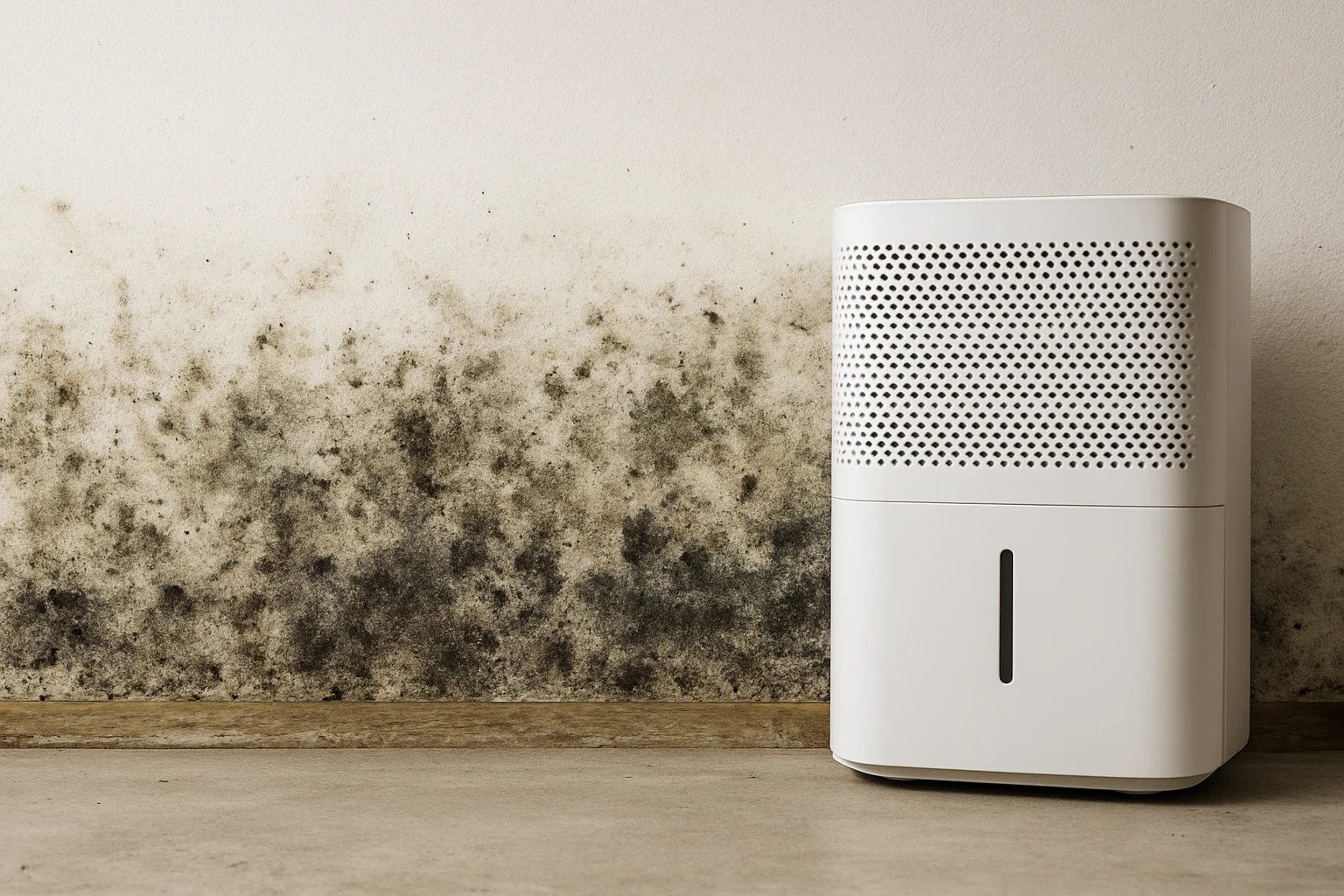
This guide explains how humidity determines the types of mold that develop in a basement, how to recognise each species, and which preventive measures are most effective. Readers will learn the science behind moisture‑driven fungal growth, the visual cues that differentiate low, moderate, and high humidity molds, and the tools that simplify control. The article also recommends reliable Amazon products that support moisture management and surface protection. By the end of the guide, homeowners will possess a clear plan for identification, remediation, and long‑term prevention.
Background and Context
Basements are naturally prone to moisture because they sit below ground level and are often surrounded by soil that releases water through capillary action. When relative humidity (RH) exceeds 60 %, mold spores germinate and colonise porous materials such as drywall, wood, and concrete. Temperature interacts with humidity; most indoor molds thrive between 55 °F and 80 °F. Understanding these environmental parameters is essential for accurate identification and targeted remediation.
Fungal colonies release spores that can travel throughout a home, causing allergic reactions, respiratory irritation, and structural decay. The health impact varies by species, with some molds producing mycotoxins that pose serious risks. Therefore, early detection and precise control of humidity are the cornerstones of a healthy basement environment.
Understanding Basement Humidity and Mold Growth
Humidity is measured as a percentage of the maximum amount of water vapour air can hold at a given temperature. When RH stays above 60 % for extended periods, condensation forms on cool surfaces, providing the water source that mold requires. Low humidity (40‑55 %) generally limits fungal activity, while moderate humidity (55‑70 %) encourages common indoor molds. High humidity (above 70 %) creates conditions for aggressive, moisture‑loving species that can spread rapidly.
Effective moisture control therefore begins with accurate measurement. Digital hygrometers placed at floor level and near walls give a realistic picture of the basement microclimate. In addition, airflow patterns influence where moisture accumulates; stagnant air pockets become hotbeds for fungal development. Proper ventilation and air circulation are therefore as important as dehumidification.
Common Mold Species by Humidity Range
Below are the most frequently encountered molds in basements, grouped by the humidity range in which they thrive. Each entry includes visual characteristics, health considerations, and typical locations.
Low to Moderate Humidity (40‑60 %)
- Penicillium: Often appears as blue‑green velvety patches on drywall, insulation, or decaying food. It produces a faint, musty odour and can cause allergic reactions. \n
- Cladosporium: Recognised by olive‑green to black spots on window frames, wood, and painted surfaces. It tolerates lower moisture levels and may trigger asthma symptoms.
- Aspergillus: Manifests as powdery white to yellow colonies on damp cardboard or ceiling tiles. Some strains produce potent mycotoxins.
Moderate to High Humidity (60‑75 %)
- Stachybotrys chartarum (Black Mold): Dark, slimy, black growth on cellulose‑rich materials such as gypsum board. It requires sustained high humidity and can cause severe respiratory distress.
- Alternaria: Brown or black speckled patches on walls, carpets, and HVAC ducts. It is a common allergen and thrives in humid, poorly ventilated spaces.
- Ulocladium: Pink‑to‑grey fuzzy colonies on damp plaster or wood. It is less common but indicates chronic moisture problems.
Very High Humidity (above 75 %)
- Chaetomium: Woolly, white to grey growth that turns pink with age, often on water‑damaged wood or plaster. It produces cellulase enzymes that degrade building materials.
- Fusarium: Reddish‑brown or pinkish colonies on carpet, upholstery, or concrete. It can cause skin irritation and systemic infections in immunocompromised individuals.
- Trichoderma: Green to yellowish patches on damp building supplies, especially in basements with poor drainage.
Product Recommendations for Moisture Control
Controlling humidity is the most reliable method for preventing the mould species listed above. The following Amazon products have been selected because they directly address moisture removal, surface sealing, and early detection.
- AIRPLUS 70 Pint Dehumidifier – This unit removes up to 70 pints of water per day and covers up to 4,500 sq ft, making it suitable for large basements. It features four smart modes, a 24‑hour timer, automatic defrost, and a negative ion function that reduces musty odours. The product holds a 4‑star rating from over 1,100 reviewers and is priced at $119.99.
- Zinsser Covers Up Ceiling Paint – This low‑odor paint‑and‑primer combines stain‑blocking and mildew resistance, ideal for sealing walls after moisture remediation. It dries to a flat white finish, covers stains in a single coat, and has a 4.5‑star rating from more than 6,300 reviews. The price is $9.98 per can.
- KILZ Basement and Masonry Waterproofing Paint – Formulated with nanotechnology, this oil‑based coating creates a waterproof barrier on concrete, brick, and cinder block. One gallon covers 75‑125 sq ft, dries to touch in one hour, and requires two coats for optimal protection. It carries a 4.6‑star rating from 1,186 reviewers and costs $35.00.
- ENESNES 8‑Test Mold Detection Kit – The kit provides eight agar plates, swabs, and a detailed guide for rapid indoor‑air and surface testing. Results appear within 48‑96 hours, and the included free lab analysis offers expert identification. It holds a 4.5‑star rating from 662 reviewers and is priced at $14.39.
- ggepiao 14‑Test Mold Detection Kit – With fourteen individual tests, this kit expands coverage to multiple rooms and HVAC systems. It includes a comprehensive identification guide and free laboratory analysis, delivering results in 2‑4 days. The product enjoys a 4.6‑star rating from 706 reviewers and costs $26.99.
Comparison and Selection Guide
Choosing the right product depends on the specific moisture challenges and the stage of remediation. The table below summarises the key attributes of each recommendation.
| Product | Primary Function | Coverage / Capacity | Price | Rating |
|---|---|---|---|---|
| AIRPLUS 70 Pint Dehumidifier | Humidity removal | 70 pints/day; 4,500 sq ft | $119.99 | 4/5 |
| Zinsser Covers Up Ceiling Paint | Stain‑blocking, mildew‑resistant paint | One can covers ~200 sq ft | $9.98 | 4.5/5 |
| KILZ Basement & Masonry Waterproofing Paint | Waterproof barrier for concrete/masonry | 75‑125 sq ft per gallon | $35.00 | 4.6/5 |
| ENESNES 8‑Test Mold Kit | Rapid detection, lab analysis | 8 tests, results 48‑96 h | $14.39 | 4.5/5 |
| ggepiao 14‑Test Mold Kit | Comprehensive detection, 14 tests | 14 tests, results 2‑4 d | $26.99 | 4.6/5 |
For basements with persistent high humidity, the dehumidifier is the first line of defence. After moisture is reduced, applying a waterproofing paint such as KILZ protects structural surfaces, while Zinsser paint offers an easy‑to‑apply finish for visible walls and ceilings. Mold detection kits are essential for confirming the presence or absence of spores after remediation.
Best Practices & Tips
Beyond product usage, homeowners should adopt systematic habits to maintain a dry basement environment. The following checklist provides actionable steps.
- Install a digital hygrometer at floor level and monitor RH daily; keep it below 55 %.
- Run the AIRPLUS 70 Pint Dehumidifier continuously during humid seasons, and use the 24‑hour timer to align operation with peak moisture periods.
- Seal cracks in walls and foundation with hydraulic cement before applying KILZ Basement and Masonry Waterproofing Paint.
- Paint interior surfaces with Zinsser Covers Up Ceiling Paint to inhibit mould spores from adhering to drywall.
- Conduct quarterly inspections using the ENESNES 8‑Test Mold Detection Kit or the ggepiao 14‑Test Mold Detection Kit to verify that remediation efforts remain effective.
- Ensure proper ventilation by installing exhaust fans or using passive vent grates that connect to the exterior.
- Maintain gutters and downspouts to direct water away from the foundation, reducing the amount of moisture that can seep into the basement.
Frequently Asked Questions
1. How often should I run a dehumidifier in my basement?
Run the unit continuously during periods of high outdoor humidity and when indoor RH exceeds 55 %. The built‑in timer allows you to schedule operation during night‑time when temperature drops and condensation is most likely.
2. Can I use regular interior paint to prevent mold?
Regular paint does not contain mildew‑resistant additives and may trap moisture, encouraging fungal growth. Products such as Zinsser Covers Up Ceiling Paint and KILZ Basement and Masonry Waterproofing Paint are specifically formulated to inhibit mold colonisation.
3. What is the difference between an 8‑test and a 14‑test mold kit?
The 14‑test kit provides double the number of sampling locations, allowing simultaneous testing of multiple rooms, HVAC ducts, and surface swabs. It also includes a more detailed identification guide, making it suitable for larger homes or thorough inspections.
4. How long does it take for mold to become visible after a humidity spike?
Visible colonies can appear within 48‑72 hours when RH stays above 70 % on porous substrates. Early detection using agar plates can reveal growth before it becomes apparent to the naked eye.
5. Is professional remediation always required?
Minor infestations on non‑structural surfaces can be managed with DIY cleaning, proper ventilation, and the use of antimicrobial paints. However, extensive growth on structural components, especially black mould, warrants professional assessment to ensure complete removal and safe disposal.
6. How can I tell if a mould species is producing mycotoxins?
Only laboratory analysis can confirm mycotoxin production. Some kits, such as the ENESNES 8‑Test Mold Detection Kit, include free lab analysis that can identify toxin‑producing strains.
Conclusion
Humidity level is the decisive factor that determines which mould species will colonise a basement. By monitoring relative humidity, employing a high‑capacity dehumidifier, sealing surfaces with specialised paints, and conducting regular mould testing, homeowners can prevent the most dangerous fungi from establishing a foothold. The recommended Amazon products complement these strategies, offering reliable performance, positive customer feedback, and cost‑effective solutions. Implementing the best‑practice checklist will protect health, preserve structural integrity, and maintain a comfortable living environment.
Products Featured in This Guide
AIRPLUS 70 Pint Dehumidifier
Price: $119.99 | Rating: 4/5 (1,194 reviews)
Featured for its large 70‑pint capacity, dual‑protection shut‑off, and smart modes that keep basement humidity below 55 %.
Zinsser Covers Up Ceiling Paint
Price: $9.98 | Rating: 4.5/5 (6,355 reviews)
Featured for its low‑odor, paint‑and‑primer formulation that blocks stains and resists mildew on interior surfaces.
KILZ Basement and Masonry Waterproofing Paint
Price: $35.00 | Rating: 4.6/5 (1,186 reviews)
Featured for its nanotechnology barrier that seals concrete and masonry, preventing water ingress that fuels mold.
ENESNES 8-Test Mold Detection Kit
Price: $14.39 | Rating: 4.5/5 (662 reviews)
Featured for rapid 48‑96 hour results and free laboratory analysis, enabling homeowners to confirm mould presence early.
ggepiao 14-Test Mold Detection Kit
Price: $26.99 | Rating: 4.6/5 (706 reviews)
Featured for its extensive fourteen‑test coverage, allowing comprehensive assessment of multiple rooms and HVAC systems.