
Complete Guide to Dehumidifier Disposal & Refrigerant Recycling: Safe, Legal, Eco‑Friendly Steps
Introduction
Dehumidifiers play a vital role in maintaining indoor air quality, yet their end‑of‑life handling is often overlooked. This guide explains the legal obligations, environmental considerations, and practical steps required to dispose of a dehumidifier responsibly. Readers will learn how to remove hazardous refrigerants, locate certified recyclers, and select replacement units that align with sustainability goals. By following these instructions, one can protect both health and the planet while complying with federal and state regulations.
Background and Context
Modern dehumidifiers rely on vapor‑compression technology that uses refrigerants such as R‑410A or R‑22, which are classified as greenhouse gases. When a unit is discarded without proper refrigerant recovery, these substances can escape into the atmosphere, contributing to climate change. Additionally, the metal casings, electronic components, and plastic housings contain materials that can be reclaimed or recycled. Understanding the life‑cycle of a dehumidifier therefore informs safe disposal practices and encourages circular‑economy thinking.
In the United States, the Environmental Protection Agency (EPA) enforces the Clean Air Act, which mandates that only certified technicians recover refrigerants from appliances before disposal. Many states have supplemental rules that require documentation of the recycling process. Failure to comply can result in fines and increased environmental harm. Consequently, a systematic approach that integrates legal compliance, refrigerant recovery, and material recycling is essential.
Understanding Dehumidifier Components
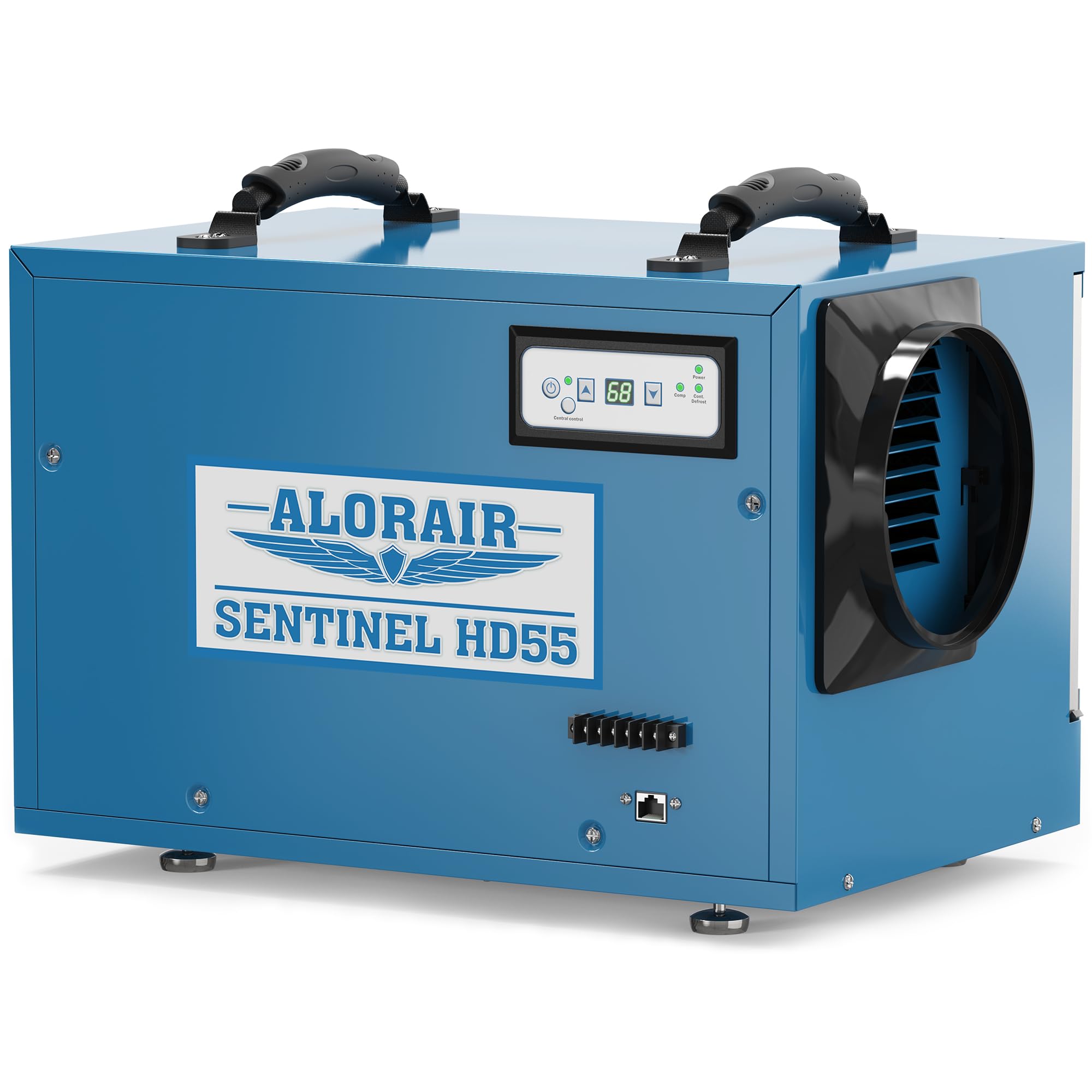
The core components of a dehumidifier include the compressor, evaporator coil, condenser coil, fan, and a water collection system. The compressor circulates the refrigerant, absorbing moisture from the air as it evaporates on the cold coil. The condensate drips into a reservoir or is pumped away through a drain hose. In commercial models, such as the ALORAIR 113 Pint Commercial Dehumidifier, the metal outer casing provides durability for harsh environments, while an automatic defrost system protects the compressor during low‑temperature operation.
Electronic controls regulate humidity setpoints, fan speeds, and defrost cycles. Filters, often rated MERV‑1, protect internal components from dust and prolong the unit’s lifespan. Recognizing these parts helps users identify which elements require special handling during disposal, particularly the refrigerant‑charged compressor and any electronic waste.
Legal Requirements for Disposal
The EPA requires that only EPA‑certified technicians perform refrigerant recovery. After recovery, the refrigerant must be either reclaimed for reuse or destroyed in a controlled environment. Documentation, typically a refrigerant recovery form, should be retained for at least three years. Many municipalities also require that the entire appliance be delivered to a licensed electronic waste recycler.
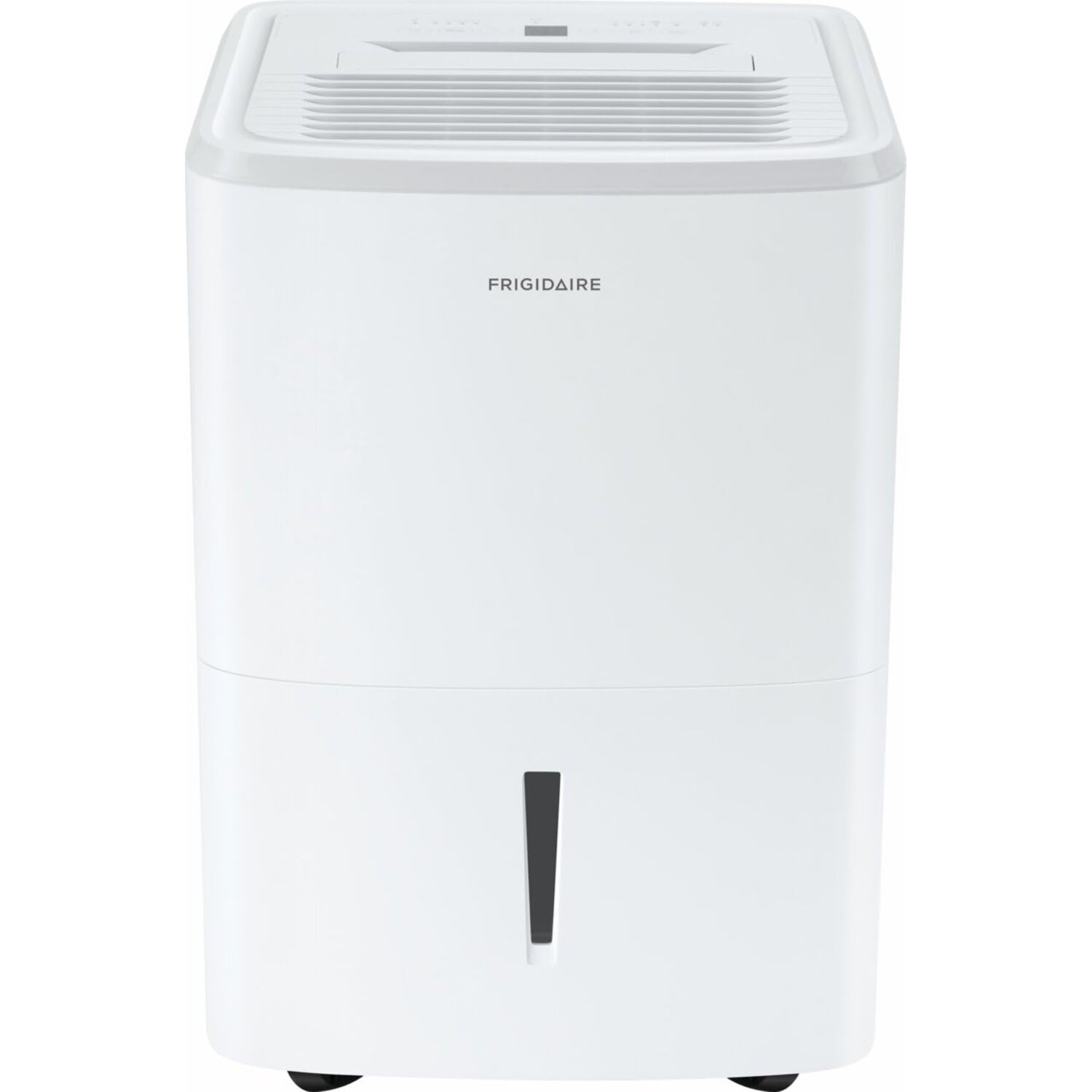
When disposing of a residential unit, such as the Frigidaire 50 Pint Wifi Dehumidifier, homeowners can schedule a pickup with a local hazardous waste collection program. For commercial units like the ALORAIR model, it is advisable to contract a professional service that can handle larger refrigerant loads and provide chain‑of‑custody paperwork.
Refrigerant Recovery and Recycling
Refrigerant recovery begins with connecting recovery equipment to the unit’s service ports. The technician evacuates the refrigerant into a certified container, ensuring that no leaks occur. Recovered refrigerant may be sent to a reclamation facility where it is purified for future use, or it may be destroyed via incineration that captures greenhouse gases.
After refrigerant removal, the compressor can be recycled as scrap metal, and the remaining components are sorted for material recovery. Copper coils, aluminum housings, and steel frames have high market value, reducing the overall environmental footprint of the disposal process.
Safe Removal Practices
Before attempting any disassembly, disconnect the unit from power and allow it to cool for at least thirty minutes. Wear protective gloves and goggles to avoid contact with sharp edges or residual moisture. For units equipped with a drain hose, detach the hose and seal the outlet to prevent accidental spillage.
When moving heavy commercial units, use the built‑in rugged handles and wheels, as found on the ALORAIR 113 Pint Commercial Dehumidifier. This reduces the risk of injury and protects flooring. Place the unit on a stable surface and secure it with straps if it must be transported in a vehicle.
Choosing a Certified Disposal Service
Selecting a reputable disposal service involves verifying certification, insurance, and customer reviews. The service should provide a written receipt that details refrigerant recovery, material recycling, and final disposal. Many national chains offer a “green disposal” option that guarantees compliance with EPA standards.
For homeowners, local waste‑management agencies often list approved recyclers on their websites. For businesses, industry associations such as the Institute of Refrigeration provide directories of certified contractors. Comparing service fees, turnaround time, and documentation practices helps ensure that the chosen provider aligns with organizational sustainability policies.
Comparison/Selection Guide
When replacing a disposed dehumidifier, one should consider capacity, energy efficiency, and ease of maintenance. The following table compares the three featured models based on key specifications and user feedback.
| Feature | ALORAIR 113 Pint Commercial | Frigidaire 50 Pint Wifi | hOmeLabs 7,000 Sq Ft Wifi |
|---|---|---|---|
| Capacity (pints/day) | 113 PPD (saturation) / 53 PPD (AHAM) | 50 Pints | 50 Pints (80°F/60% RH) – up to 120 Pints at 95°F/90% RH |
| Coverage Area | Up to 1,200 sq ft | Up to 1,500 sq ft (typical) | Up to 7,000 sq ft |
| Power Source | 120 V, 60 Hz | 120 V, 60 Hz | 120 V, 60 Hz |
| Smart Features | Optional remote control | Wi‑Fi connectivity with app control | Wi‑Fi enabled with remote monitoring |
| Defrost | Automatic defrost system | Standard manual defrost | Automatic defrost with Turbo mode |
| Warranty | 6‑year limited | 1‑year limited | 2‑year limited |
| Rating (as of listing) | 4.3/5 (1,160 reviews) | 4.4/5 (42 reviews) | 4.5/5 (28,553 reviews) |
| Price | $446.46 | $269.00 | $269.99 |
For large commercial projects, the ALORAIR model offers unmatched capacity and a six‑year warranty, making it suitable for warehouses and extensive crawl spaces. Homeowners seeking connectivity and ease of use may prefer the Frigidaire or hOmeLabs units, both of which provide Wi‑Fi control and compact designs. The hOmeLabs model stands out for its ability to handle very large residential spaces, thanks to its high‑capacity pump and Turbo mode.
Best Practices & Tips
- Schedule refrigerant recovery before any disposal; never attempt DIY extraction.
- Document every step of the disposal process, including receipts and recovery forms.
- Donate functional units to charitable organizations if they are still operational and meet safety standards.
- Consider purchasing a unit with a built‑in continuous‑drain option to simplify future maintenance.
- Regularly clean or replace filters, such as the MERV‑1 filter on the ALORAIR model, to extend service life and reduce waste.
- When selecting a replacement, prioritize ENERGY STAR‑certified models to lower electricity consumption.
Frequently Asked Questions
1. Do I need a professional to remove refrigerant from a residential dehumidifier?
Yes. EPA regulations require that only certified technicians handle refrigerant recovery, regardless of the unit’s size.
2. Can I recycle the metal housing of my dehumidifier?
Yes. Most recycling centers accept steel, aluminum, and copper components, which are valuable scrap materials.
3. What happens to the refrigerant after it is recovered?
Recovered refrigerant is either reclaimed for future use after purification or destroyed in a controlled environment to prevent greenhouse‑gas emissions.
4. Are there any tax incentives for purchasing energy‑efficient dehumidifiers?
Some states offer rebates or tax credits for ENERGY STAR‑rated appliances; consult local utility programs for details.
5. How often should I schedule maintenance to avoid premature disposal?
Professional servicing every two to three years, combined with regular filter cleaning, helps maintain efficiency and prolongs the unit’s lifespan.
6. Is it legal to dump a dehumidifier in the regular trash?
No. Disposing of a refrigerant‑charged appliance in regular waste streams violates EPA regulations and may result in penalties.
7. Can I sell a used dehumidifier instead of recycling it?
Yes, provided the unit is fully functional, the refrigerant has been properly recovered, and the buyer is informed of the appliance’s condition.
Conclusion
Responsible dehumidifier disposal requires understanding the appliance’s components, adhering to legal refrigerant‑recovery mandates, and selecting certified recyclers. By following the steps outlined in this guide, one can protect the environment, avoid regulatory penalties, and make informed purchasing decisions for future units. Incorporating best‑practice maintenance further reduces waste and supports long‑term sustainability.
Products Featured in This Guide
ALORAIR 113 Pint Commercial Dehumidifier
Price: $446.46 | Rating: 4.3/5 (1,160 reviews)
Featured for its high capacity, rugged metal casing, automatic defrost system, and six‑year warranty, making it ideal for commercial and large‑area applications.
Frigidaire 50 Pint Wifi Dehumidifier
Price: $269.00 | Rating: 4.4/5 (42 reviews)
Featured for its washable MERV‑1 filter, Wi‑Fi connectivity, and compact design, offering a smart solution for residential humidity control.
hOmeLabs 7,000 Sq Ft Wifi Dehumidifier
Price: $269.99 | Rating: 4.5/5 (28,553 reviews)
Featured for its large coverage area, Wi‑Fi smart functionality, Turbo mode, and efficient moisture removal, suitable for expansive homes and offices.