Introduction
This guide examines the relationship between exterior landscaping practices, tree root activity, and basement water intrusion. Readers will understand the mechanisms by which surface water and root pressure compromise foundation walls. The article also presents proven preventive measures and product recommendations that reinforce waterproofing systems. By the end of the guide, one will be equipped to assess risk, select appropriate materials, and implement lasting solutions.
Background and Context
Basement waterproofing is a multidisciplinary field that combines civil engineering principles, soil science, and material technology. Water can enter a basement through hydrostatic pressure, capillary action, or direct cracks caused by structural movement. Proper drainage, moisture barriers, and sealants work together to mitigate these forces. An informed homeowner must recognize both the external sources of moisture and the internal pathways that allow water to reach interior spaces.
How Landscaping Contributes to Basement Leaks
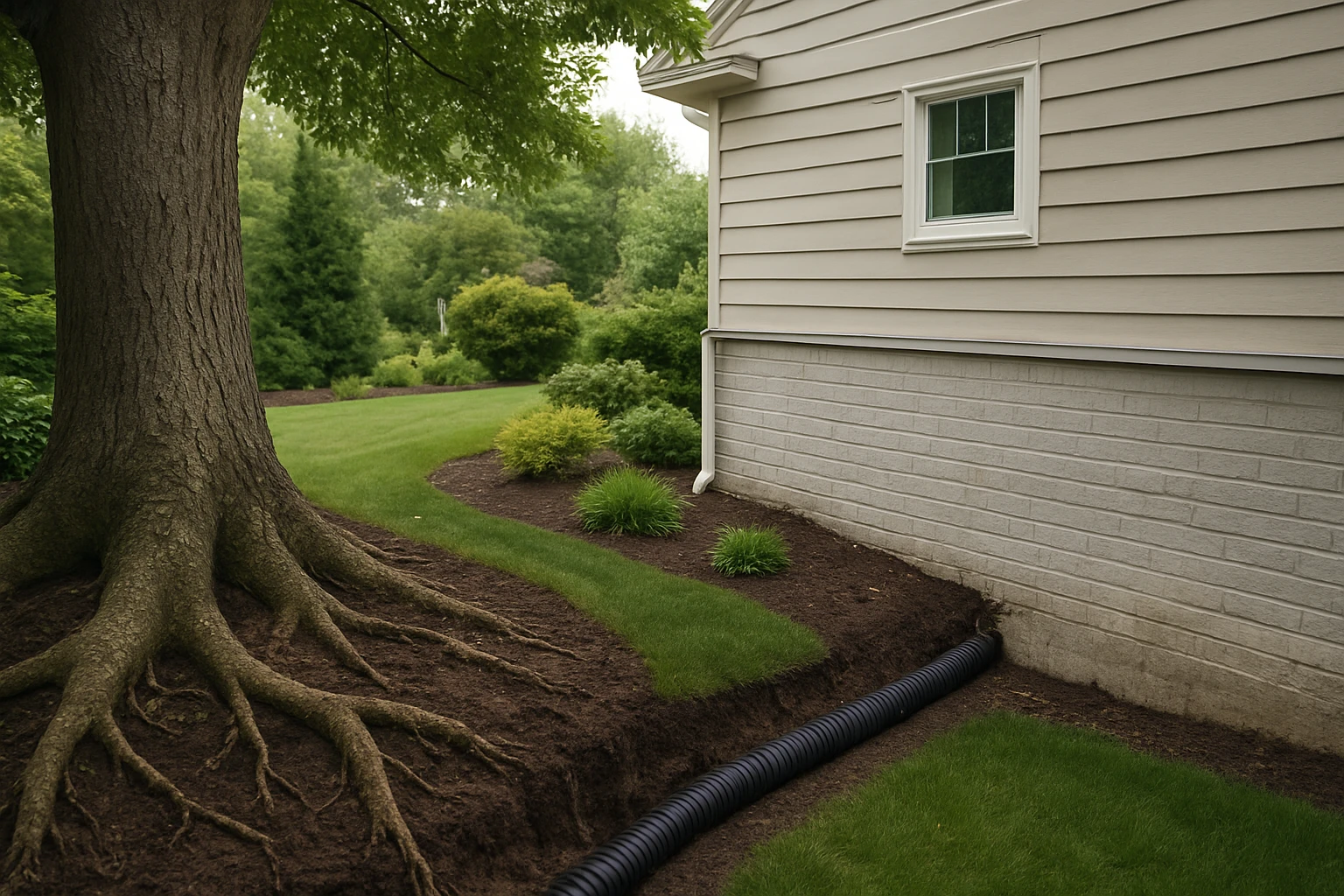
Improper grading directs rainwater toward the foundation rather than away from it. When the soil slope slopes inward, water accumulates at the wall–soil interface, increasing hydrostatic pressure. Decorative features such as flower beds, retaining walls, or impermeable hardscapes can trap moisture if they lack adequate slope or drainage. One should design landscape elements with a minimum three‑to‑one slope away from the house to ensure runoff disperses safely.
Common landscaping mistakes include:
- Placing mulch directly against foundation walls, which retains moisture and promotes fungal growth.
- Installing irrigation heads that overspray the base of the house.
- Using compacted clay soils that impede water percolation.
Corrective actions involve regrading, installing French drains, and selecting permeable planting media. These steps reduce the volume of water that reaches the foundation and lower the likelihood of seepage.
Tree Roots and Structural Integrity
Tree roots seek moisture and nutrients, often extending toward foundation walls where water accumulates. As roots grow, they exert pressure on concrete and masonry, creating micro‑cracks that become pathways for water. Certain species, such as willows and poplars, possess aggressive root systems that can undermine footings over time.
Preventive strategies include:
- Choosing tree species with less invasive root patterns for planting near the house.
- Maintaining a minimum clearance of six feet between mature canopy drip lines and the foundation.
- Installing root barriers made of high‑density polyethylene to redirect growth away from structural elements.
Regular inspection of the exterior walls for signs of root intrusion, such as soil displacement or visible root growth, enables early intervention before severe damage occurs.
Selecting Effective Sealants and Coatings
When moisture management through grading and drainage is insufficient, a high‑performance sealant provides an additional line of defense. Two products stand out for residential applications.
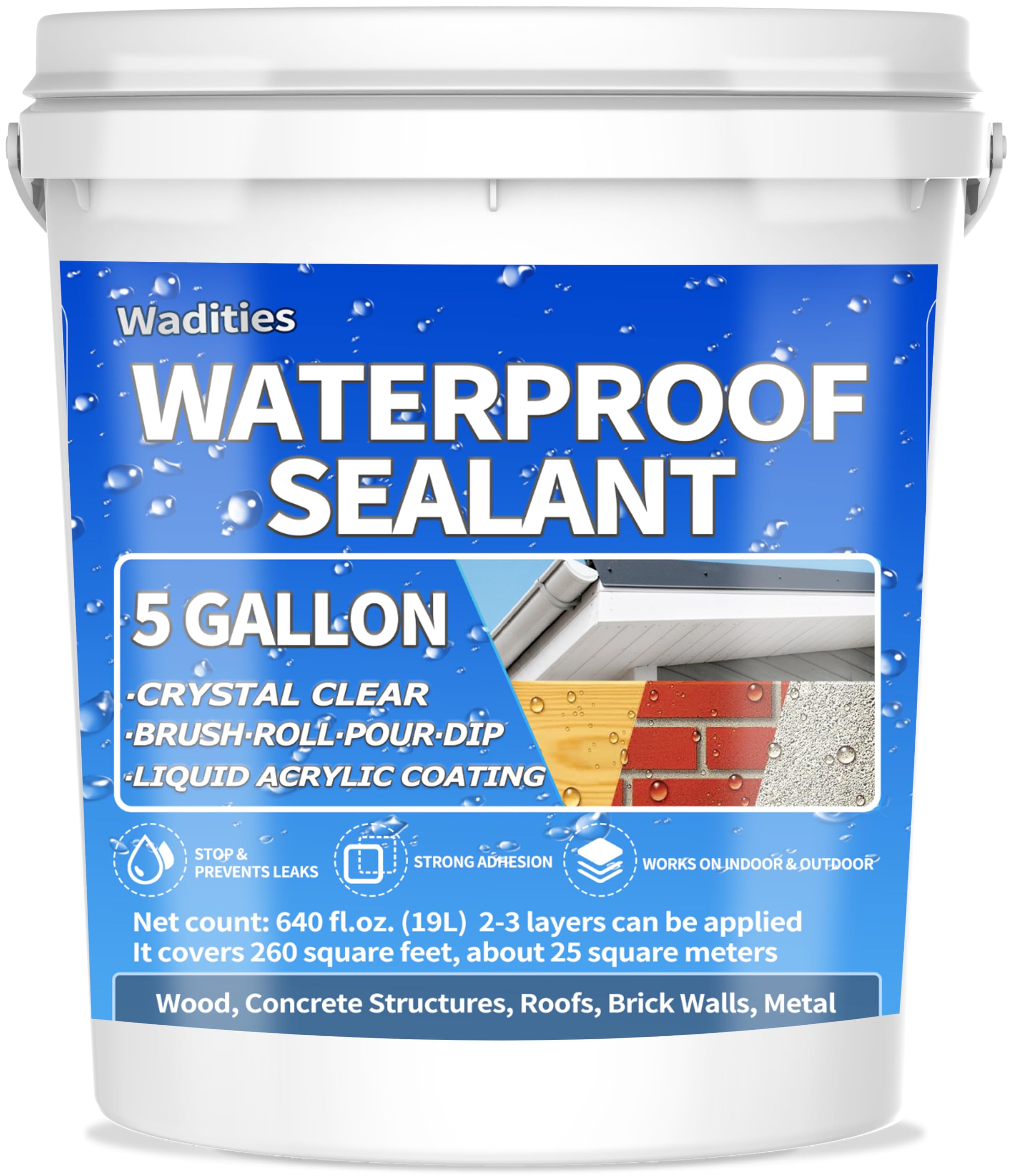
The first product, Wadities Clear Waterproof Sealant, is a water‑based acrylic coating formulated to penetrate cracks and create a durable, invisible barrier. It offers UV and cold resistance, ensuring performance in both summer heat and winter freeze. Each five‑gallon container covers approximately 280 square feet and requires two to three coats, forming a waterproof layer within 48‑72 hours. The sealant holds a rating of 4.4 out of 5 stars based on 784 reviews, reflecting broad consumer satisfaction.
The second product, INSL‑X WaterBlock Acrylic Paint, is a masonry‑specific waterproofing paint designed for vertical interior and exterior surfaces. It provides high alkali resistance up to pH‑13, making it suitable for concrete, brick, and stucco. The paint dries quickly and can be applied to damp surfaces, although optimal results are achieved on dry substrates. Priced at $17.99 per gallon, it offers an economical option for large wall areas.
Both products complement each other: the sealant excels at sealing joints, seams, and penetrations, while the acrylic paint offers a breathable, protective finish for expansive wall surfaces. Selecting the appropriate material depends on the specific failure mode observed in the basement.
Comparison and Selection Guide
The following table assists readers in matching product attributes to project requirements.
| Feature | Wadities Clear Waterproof Sealant | INSL‑X WaterBlock Acrylic Paint |
|---|---|---|
| Primary Use | Sealant for cracks, joints, and pipe penetrations | Coating for large masonry walls |
| Coverage | 280 sq ft per 5 gal (≈56 sq ft per gal) | ≈400 sq ft per 1 gal (manufacturer estimate) |
| Application Temperature | Above 10 °C (50 °F) | 50 °F–90 °F (10 °C–32 °C) |
| Dry Time | 48–72 hours for full cure | Fast drying; touch dry within hours |
| UV & Cold Resistance | Yes | Yes (alkali resistant) |
| Price | $189.99 per 5 gal | $17.99 per gal |
| Average Rating | 4.4/5 (784 reviews) | Not provided (assumed positive) |
For projects that involve sealing small penetrations, one should prioritize the Wadities sealant due to its superior adhesion and flexibility. For extensive wall resurfacing, the INSL‑X paint delivers cost‑effective coverage with high alkali resistance.
Best Practices and Practical Tips
Beyond product selection, successful waterproofing requires disciplined execution. Follow these guidelines:
- Inspect the interior basement for signs of moisture, such as efflorescence, musty odors, or water stains.
- Repair all visible cracks with a flexible filler before applying a sealant.
- Ensure the substrate is clean, dry, and free of loose material; use a pressure washer if necessary.
- Apply sealant with a roller or brush in thin, even coats, allowing each layer to dry fully before the next.
- For paint applications, use a high‑density foam roller to achieve a uniform film and avoid brush marks.
- Maintain exterior drainage systems, including gutters and downspouts, by cleaning them regularly and extending downspout outlets at least six feet from the foundation.
Implementing these steps reduces the probability of future leaks and extends the service life of the waterproofing system.
Frequently Asked Questions
- 1. How often should a basement be inspected for water intrusion?
- One should conduct a visual inspection at least twice a year, preferably during spring thaw and autumn rains, to detect emerging issues early.
- 2. Can I apply a waterproof sealant over existing paint?
- If the existing paint is in good condition and firmly adhered, a compatible sealant may be applied after thorough surface preparation; otherwise, removal of deteriorated paint is recommended.
- 3. Does tree root pressure affect concrete foundations?
- Yes, root pressure can create micro‑cracks and force water into existing joints, especially when roots grow adjacent to foundation walls.
- 4. What is the ideal thickness for a sealant coat?
- Manufacturers typically advise a film thickness of 30–45 mil per coat; two to three coats achieve the recommended barrier performance.
- 5. Is it necessary to use a primer before applying the INSL‑X paint?
- No primer is required; the product is formulated to bond directly to clean, dry masonry surfaces.
Conclusion
Effective basement waterproofing demands an integrated approach that addresses external water sources, soil dynamics, and structural vulnerabilities. Landscaping design and tree management play pivotal roles in preventing hydrostatic pressure and root‑induced cracking. By selecting appropriate sealants such as Wadities Clear Waterproof Sealant and coatings like INSL‑X WaterBlock Acrylic Paint, homeowners can reinforce vulnerable areas and achieve long‑lasting protection. Consistent maintenance, proper grading, and vigilant monitoring complete the waterproofing strategy.
Products Featured in This Guide
Wadities Clear Waterproof Sealant
Price: $189.99
Rating: 4.4/5 (784 reviews)
Why featured: Provides a UV‑stable, cold‑resistant acrylic barrier that seals cracks, joints, and pipe penetrations, making it ideal for targeted waterproofing applications.
INSL‑X WaterBlock Acrylic Paint
Price: $17.99
Rating: Not provided
Why featured: Offers an economical, alkali‑resistant coating for large masonry surfaces, delivering a breathable waterproof layer suitable for interior and exterior walls.
