Introduction
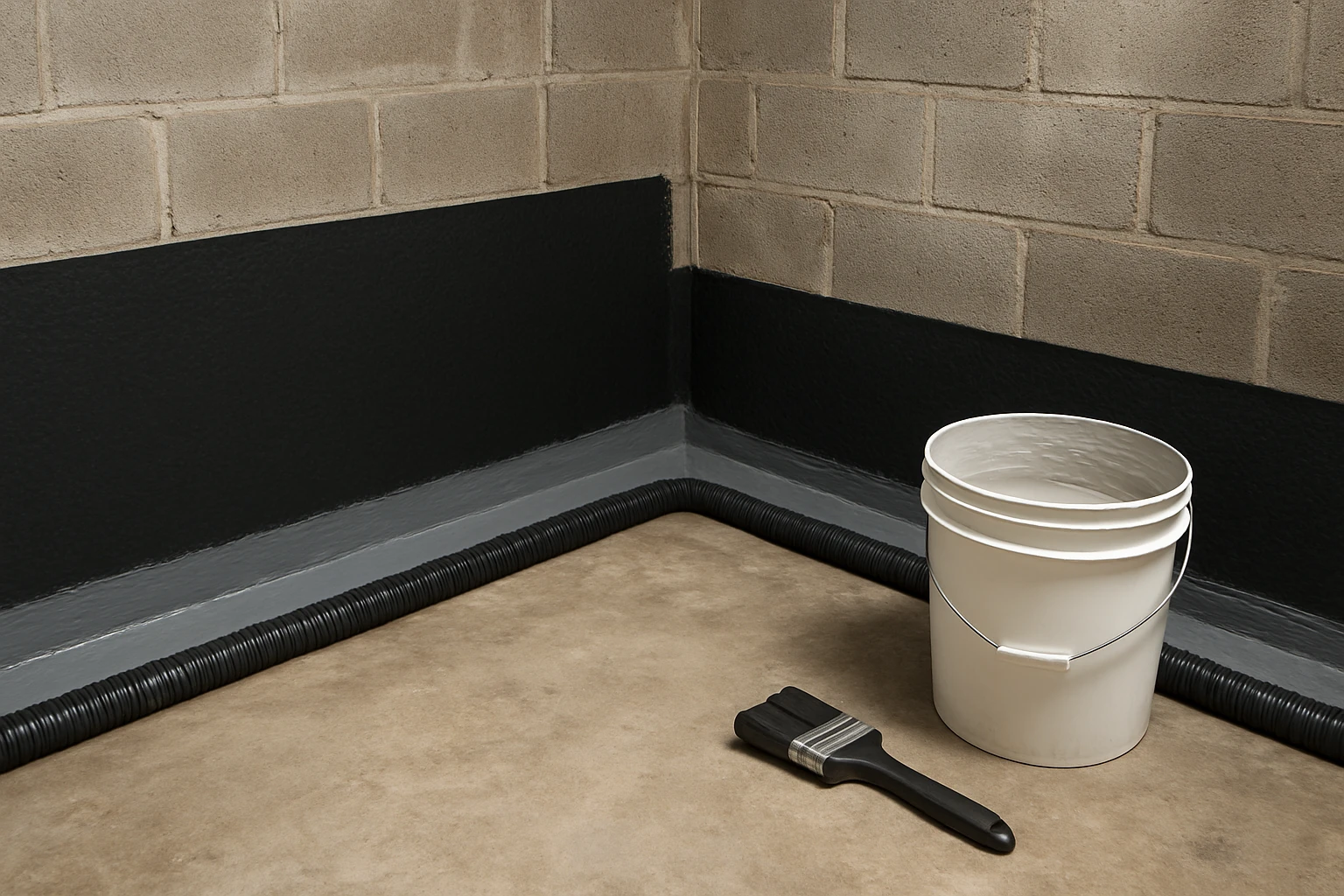
Basement flooding presents a serious risk for homeowners residing in regions with a high water table. This guide explains the underlying causes of water intrusion and outlines both do‑it‑yourself (DIY) and professional solutions to prevent damage. Readers will learn how to assess site conditions, select appropriate sealants, and implement long‑term drainage strategies. By the end of the article, one will possess a clear roadmap for creating a dry, usable basement space.
Background and Context
In areas where the groundwater level lies close to the surface, hydrostatic pressure can force moisture through foundation walls and floor slabs. Soil composition, seasonal rainfall, and nearby landscaping all influence the magnitude of this pressure. Understanding the interaction between soil moisture and structural components is essential before any waterproofing measure is applied. Accurate assessment reduces unnecessary expenses and improves the effectiveness of subsequent interventions.
Key Concepts and Strategies
Effective basement waterproofing relies on three core concepts: exterior water diversion, interior moisture management, and barrier integrity. Exterior diversion includes installing proper footing drains, grading the surrounding soil away from the foundation, and sealing exterior cracks. Interior management focuses on controlling humidity, installing sump pumps, and applying sealants to vulnerable surfaces. Barrier integrity ensures that applied coatings remain flexible, adhere to both wet and dry substrates, and resist temperature fluctuations.
When choosing a barrier, one must consider material properties such as elasticity, UV resistance, and compatibility with the substrate. For example, a flexible rubberized coating can accommodate slight foundation movement without cracking. Additionally, the sealant should be able to cure quickly enough to allow subsequent construction steps. Selecting a product that meets industry standards, such as ASTM C‑920 for caulks, guarantees a minimum performance level.
Product Recommendations
The first product to consider for interior sealing is Flex Seal Clear Spray. This transparent, waterproof rubber coating is designed to seep into cracks and hard‑to‑reach areas, forming a flexible film that resists both summer heat and winter cold. It can be applied on wet or dry surfaces, dries quickly, and can be painted over to match interior décor. With a rating of 4.4 out of 5 stars from 38,819 reviews and a price of $14.13, it offers a cost‑effective solution for sealing gutters, windows, and minor wall fissures.
The second recommended product is Gorilla Clear Silicone Caulk. This 100% silicone sealant provides a 30‑minute water‑ready cure, making it suitable for rapid repairs in showers, sinks, and exterior joints. It meets ASTM C‑920 Class 35 standards, ensuring high flexibility and resistance to shrinkage, cracking, and mold growth. Priced at $9.84 and holding a 4.6 out of 5 star rating from 33,009 reviews, it delivers professional‑grade performance for both indoor and outdoor applications.
Comparison and Selection Guide
Choosing between a spray‑on rubber sealant and a silicone caulk depends on the specific location and type of moisture challenge. Use Flex Seal Clear Spray for large surface areas, irregular shapes, and projects where a thin, paintable film is desired. Its ability to remain flexible in extreme temperatures makes it ideal for roof repairs and skylight flashing.
Opt for Gorilla Clear Silicone Caulk when sealing linear joints, such as window frames, pipe penetrations, and tile grout lines. The caulk’s quick water‑ready time reduces downtime during bathroom renovations, and its mold‑resistant formulation protects humid environments. For exterior applications that demand long‑term UV stability, the silicone’s clear finish maintains aesthetic integrity without yellowing.
Both products complement each other in a comprehensive waterproofing plan. A typical workflow might involve applying Flex Seal to the broader wall surface, then using Gorilla Silicone to seal edges and seams where water intrusion is most likely. This layered approach maximizes protection while minimizing the need for multiple specialized products.
Best Practices & Tips
Begin every waterproofing project with a thorough inspection of the foundation for cracks, efflorescence, and standing water. Document findings with photographs and measurements to track progress over time. Clean all surfaces of dust, oil, and loose debris before applying any sealant; a clean substrate ensures optimal adhesion.
When using Flex Seal Clear Spray, apply thin, even coats from a distance of 8‑12 inches, allowing each layer to dry before adding the next. This technique prevents sagging and promotes uniform film thickness. For best results, paint over the dried coating within 24 hours to lock in the color and add an extra barrier against UV exposure.
When applying Gorilla Clear Silicone Caulk, cut the nozzle at a 45‑degree angle and use a steady pressure to fill the joint completely. Smooth the bead with a caulk‑smoothing tool or a wet finger to eliminate air pockets. Allow the sealant to cure for at least 24 hours before exposing it to water, even though it is water‑ready after 30 minutes.
Finally, integrate a functional drainage system such as a perimeter French drain or an interior sump pump with a battery backup. Regularly test the pump and clean debris from drain lines to maintain reliable operation during heavy rains. Periodic re‑inspection of sealants and drainage components will extend the life of the waterproofing system.
Frequently Asked Questions
- How often should I reapply interior sealants? Most high‑quality sealants, including Flex Seal and Gorilla Silicone, maintain effectiveness for several years under normal conditions. Reapplication is recommended every 5‑7 years or after significant foundation movement.
- Can I use these products on concrete floors? Yes, both products adhere to concrete when the surface is cleaned and primed if necessary. Flex Seal is especially useful for covering large floor cracks, while Gorilla Silicone excels at sealing expansion joints.
- Is it safe to apply sealants in a humid basement? Both products are formulated to cure in humid environments. Flex Seal can be sprayed on wet surfaces, and Gorilla Silicone’s mold‑resistant properties make it ideal for high‑humidity areas.
- Do I need a professional to install exterior drainage? While DIY installation of a French drain is possible for experienced homeowners, professional assessment ensures proper slope, pipe sizing, and integration with existing utilities.
- What temperature range can these sealants withstand? Flex Seal remains flexible from -20°F to 120°F, and Gorilla Silicone maintains its properties from -40°F to 200°F, covering most climate conditions encountered in high water table regions.
Conclusion
Waterproofing a basement in a high water table region requires a systematic approach that combines proper assessment, strategic drainage, and the right sealant selection. By employing both Flex Seal Clear Spray for broad surface coverage and Gorilla Clear Silicone Caulk for precise joint sealing, homeowners can achieve a durable, moisture‑resistant environment. Regular maintenance, including inspection of drainage systems and periodic re‑application of sealants, ensures long‑term protection against flooding. Armed with the knowledge and tools presented in this guide, one can confidently safeguard a valuable living space from water damage.
Products Featured in This Guide
Flex Seal Clear Spray
Price: $14.13
Rating: 4.4 out of 5 stars (38,819 reviews)
Featured because it provides a flexible, paintable, waterproof coating suitable for large interior surfaces and can be applied on wet substrates.
Gorilla Clear Silicone Caulk
Price: $9.84
Rating: 4.6 out of 5 stars (33,009 reviews)
Featured because it offers a fast‑curing, mold‑resistant seal for joints and penetrations, meeting ASTM standards for flexibility and durability.