How to Get Homeowners Insurance Discounts for Basement Waterproofing and Dehumidification: The Ultimate Guide to Lowering Your Premiums
Introduction
Homeowners insurance premiums often reflect the risk of water damage, especially in basements where moisture can accumulate unnoticed. This guide explains how proactive waterproofing and dehumidification can reduce that risk and qualify policyholders for discounts. Readers will learn the underlying principles, practical strategies, and product recommendations that insurers value.
By the end of the article, one will understand how to assess a basement’s vulnerability, implement cost‑effective solutions, and communicate improvements to an insurer. The information is presented in a structured format that balances theory with actionable steps, ensuring that both DIY enthusiasts and those who prefer professional services can benefit.
Background/Context
Insurance carriers evaluate a home’s exposure to water intrusion by reviewing past claims, local flood data, and the presence of mitigation measures. Foundations that are prone to cracks, hydrostatic pressure, or high humidity are considered high‑risk, leading to higher premiums. Conversely, documented waterproofing systems and active moisture control can demonstrate reduced risk, prompting insurers to offer discounts ranging from 5% to 20%.
Two primary categories of mitigation are relevant: structural crack repair and atmospheric dehumidification. Structural repair addresses the pathways through which water enters, while dehumidification controls the moisture that already resides within the space. Both categories are supported by industry standards, such as the International Residential Code (IRC) for foundation repair and the ASHRAE guidelines for indoor humidity.
Understanding Basement Waterproofing
Basement waterproofing begins with a thorough inspection. Homeowners should look for visible cracks, efflorescence, musty odors, and standing water after rain events. Once identified, the appropriate repair method depends on crack width, depth, and the surrounding soil conditions.
For minor to moderate cracks, injection‑based sealants provide a reliable, cost‑effective solution. Polyurethane foam expands to fill voids and creates a watertight barrier. This method not only stops active leaks but also reinforces the foundation against future movement.
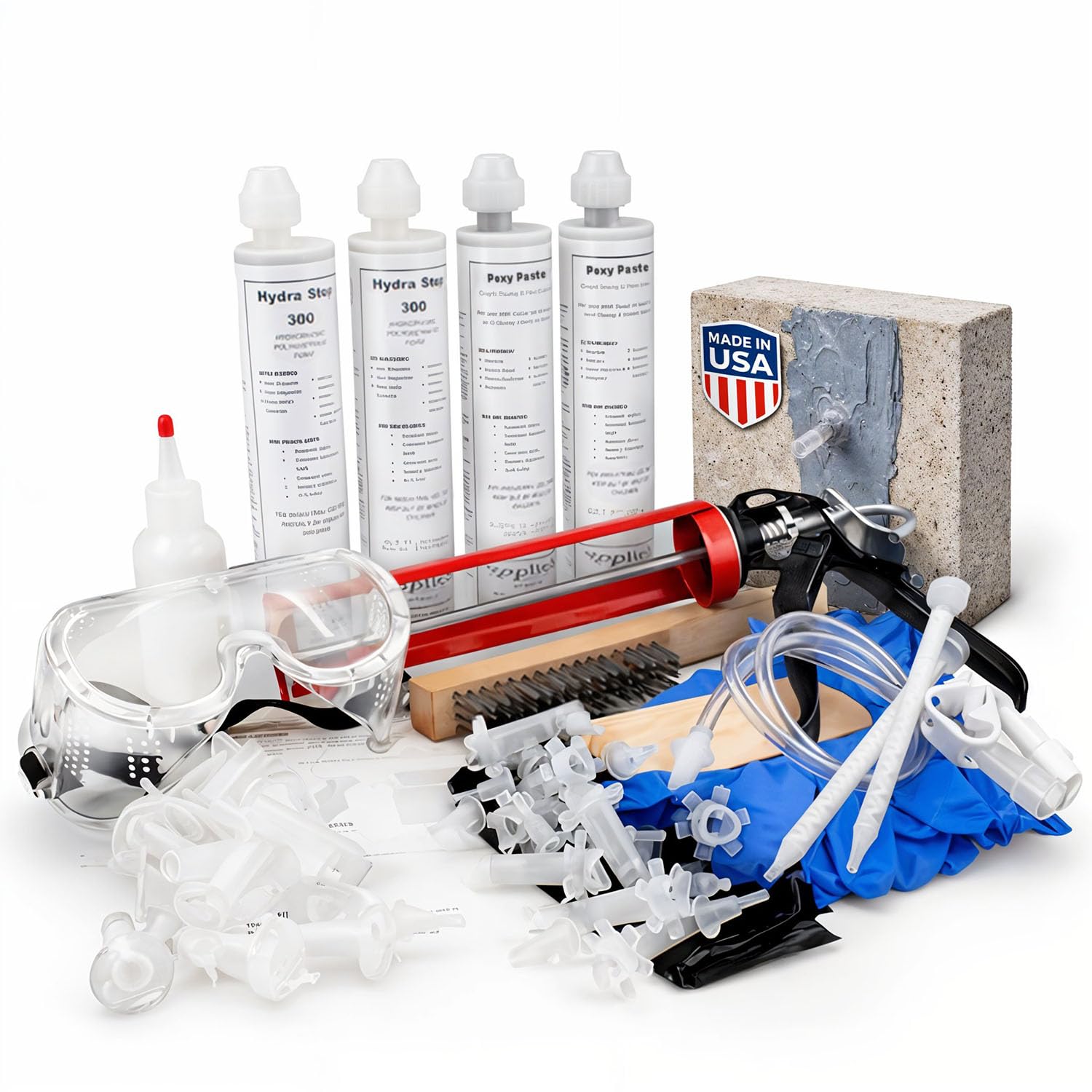
When recommending a product, the Applied Technologies Crack Repair Kit stands out. It supplies 10 feet of Hydra Stop 300 polyurethane foam, surface sealant, port adhesive, and a detailed instructional guide. At $158.90 and a 4.3‑star rating from 698 reviews, the kit offers a proven DIY solution that meets industry expectations for waterproofing performance.
Insurers often require documentation of the repair process, including before‑and‑after photos and receipts. Keeping a log of the materials used, such as the Applied Technologies kit, strengthens the claim for a discount.
Effective Dehumidification Strategies
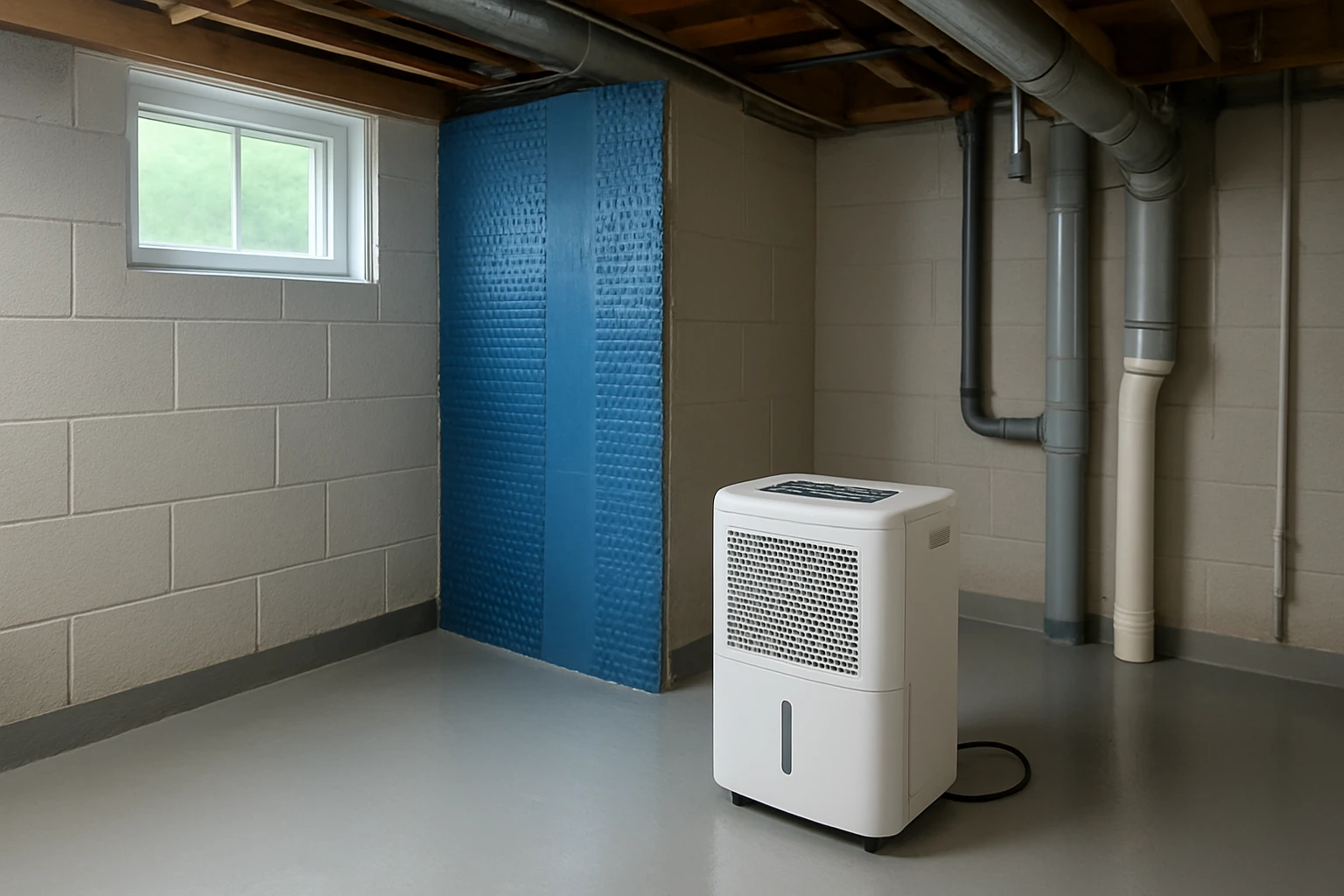
Even after cracks are sealed, basements can retain moisture due to residual humidity, condensation, or groundwater seepage. Maintaining relative humidity (RH) below 50% prevents mold growth, wood rot, and the corrosion of structural components. Dehumidifiers that can handle the square‑footage of a typical basement are essential for this purpose.
Key performance metrics include the daily moisture removal capacity (pints per day), energy efficiency, and noise level. A unit that can extract 34 pints per day for up to 2,500 sq ft is suitable for most residential basements.
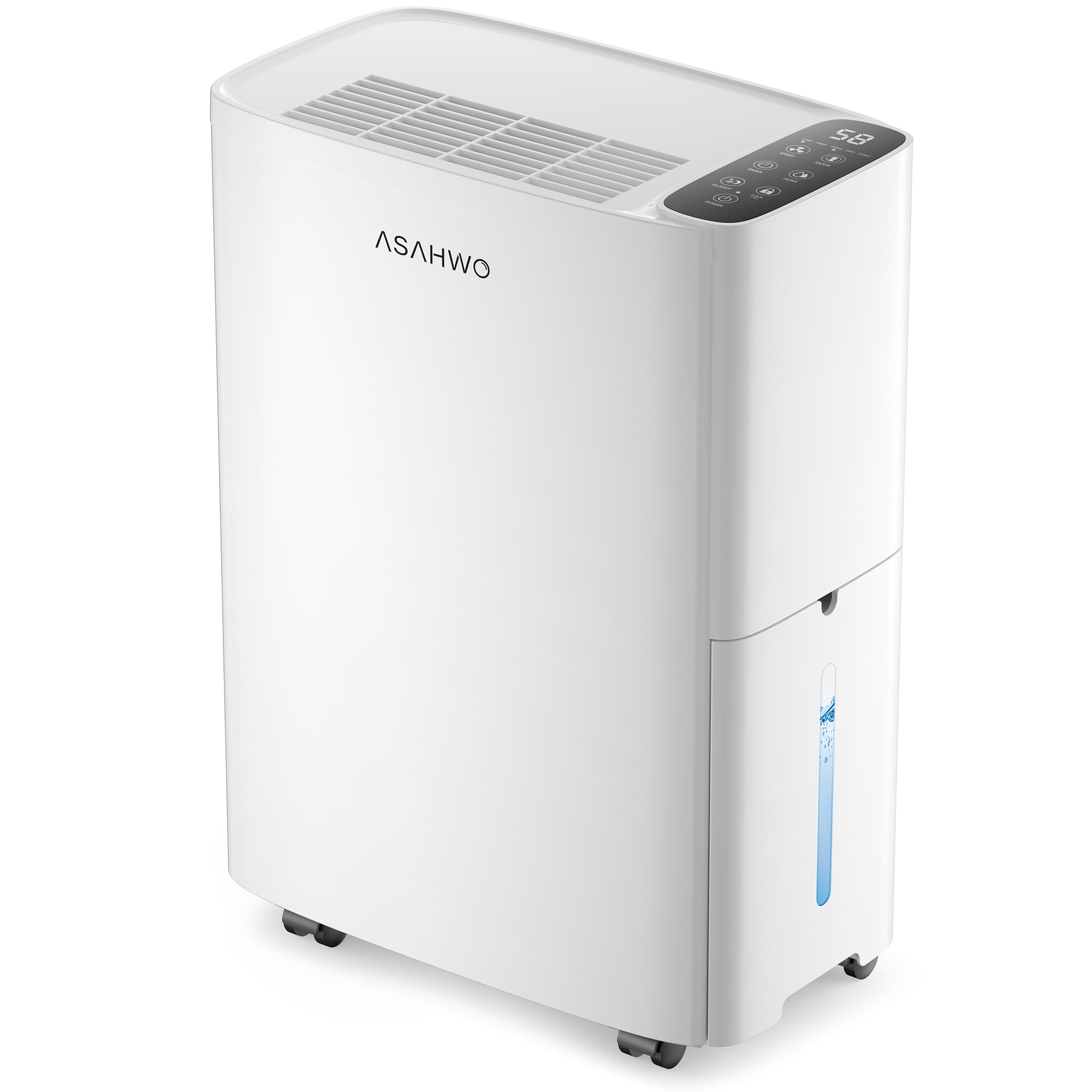
The ASAHWo Dehumidifier meets these criteria. Priced at $129.99 with a 4.8‑star rating from 46 reviews, it offers four pre‑set modes, intelligent humidity control, dual drainage options, and a quiet 36 dB operation. Its portable design and 6.5 ft drain hose make long‑term installation straightforward.
Documenting the dehumidifier’s specifications and usage logs (e.g., daily run time, humidity readings) provides insurers with evidence of ongoing moisture management, a factor that can further lower premiums.
Comparison/Selection Guide
| Feature | Applied Technologies Crack Repair Kit | ASAHWo Dehumidifier |
|---|---|---|
| Primary Function | Seal foundation cracks with expanding polyurethane foam | Remove ambient moisture from air |
| Coverage Area | 10 feet of crack length per kit | Up to 2,500 sq ft |
| Moisture Removal Capacity | Creates waterproof barrier; does not extract air moisture | 34 pints per day |
| Price | $158.90 | $129.99 |
| Customer Rating | 4.3/5 (698 reviews) | 4.8/5 (46 reviews) |
| Installation Complexity | DIY with instructions and video tutorials | Plug‑and‑play with optional drain hose |
When selecting a product, homeowners should assess the severity of the problem. If visible cracks dominate the risk profile, the crack repair kit should be prioritized. If humidity levels remain high after sealing, the dehumidifier becomes essential. In many cases, both solutions work synergistically to satisfy insurer requirements.
Best Practices & Tips for Securing Discounts
- Conduct a professional inspection before starting any work; obtain a written assessment that outlines required repairs.
- Document every step of the mitigation process, including receipts, photos, and product specifications.
- Maintain a log of humidity readings before and after dehumidifier installation; aim for a consistent RH below 50%.
- Store all warranty information for the products used; many insurers require proof of ongoing maintenance.
- Notify the insurance provider promptly after completion and request a premium review.
- Consider bundling waterproofing with other risk‑reduction measures, such as sump pump installation, to maximize discount potential.
Frequently Asked Questions
- Can I receive a discount if I only install a dehumidifier? Yes. Insurers recognize active humidity control as a mitigation measure, especially in basements prone to condensation. Providing humidity logs and product specifications, such as those of the ASAHWo Dehumidifier, can support a discount request.
- How long does it take to see a premium reduction after waterproofing? Most carriers require evidence of completed work and a period of no related claims, typically 6‑12 months, before adjusting premiums.
- Do I need a professional to install the crack repair kit? The Applied Technologies Crack Repair Kit is designed for DIY use, with clear instructions and video support. However, for structural cracks wider than 1/4 inch or those associated with significant settlement, a licensed contractor is advisable.
- What humidity level should I maintain? Aim for 30‑50% relative humidity. The ASAHWo Dehumidifier’s intelligent control can be set to maintain this range automatically.
- Will the discount be permanent? Discounts are typically reviewed annually. Continued maintenance of the waterproofing system and dehumidifier is required to retain the reduced rate.
Conclusion
Reducing homeowners insurance premiums through basement waterproofing and dehumidification is both feasible and financially rewarding. By sealing foundation cracks with a reliable product such as the Applied Technologies Crack Repair Kit and maintaining optimal humidity using the ASAHWo Dehumidifier, homeowners demonstrate proactive risk management. Proper documentation, regular monitoring, and clear communication with insurers complete the process, often resulting in discounts that offset the initial investment.
Implementing these strategies not only protects the property from water‑related damage but also contributes to a healthier indoor environment. The combined approach aligns with insurer expectations and provides long‑term peace of mind.
Products Featured in This Guide
Applied Technologies Crack Repair Kit
Price: $158.90 | Rating: 4.3/5 (698 reviews)
Featured because it provides a DIY, fast‑set polyurethane solution that seals foundation cracks, a key factor insurers evaluate when offering waterproofing discounts.
ASAHWo Dehumidifier
Price: $129.99 | Rating: 4.8/5 (46 reviews)
Featured because it efficiently removes up to 34 pints of moisture per day from basements up to 2,500 sq ft, helping homeowners maintain the humidity levels insurers require for premium discounts.