How Soil Type Affects Basement Waterproofing: The Ultimate Guide to Choosing the Right Solution
Introduction
Basement waterproofing is a critical component of home maintenance, yet many homeowners overlook the role that surrounding soil plays in water intrusion. This guide explains how soil characteristics such as composition, moisture retention, and pressure affect basement waterproofing performance. Readers will learn essential background concepts, compare leading sealant products, and receive actionable best‑practice tips to protect their foundations for years to come.
By the end of this article, one will understand which waterproofing strategy aligns with a given soil type, how to evaluate product specifications, and which of the featured sealants delivers the best value for specific conditions.
Background and Context
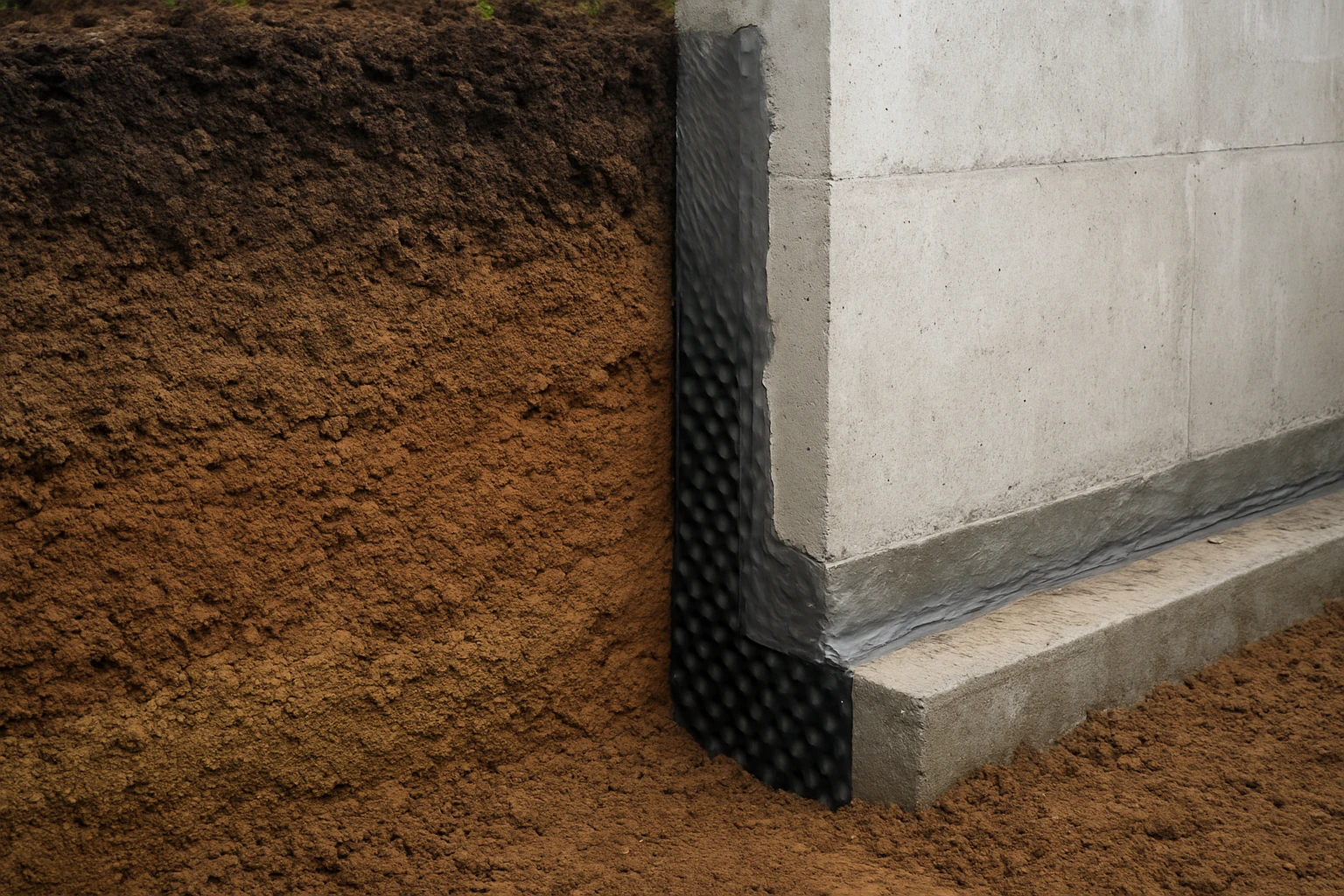
Soil is not a uniform medium; it ranges from sandy, well‑draining gravels to dense, water‑retentive clays. Each type exerts distinct hydrostatic pressure on basement walls and influences the rate at which moisture migrates toward the foundation. Sandy soils typically allow water to flow quickly away from the structure, but they can also create voids that let water seep through cracks. Clay soils retain water, generating higher lateral pressure that can force water through even minute openings.
Two additional factors shape waterproofing needs: groundwater level and seasonal temperature fluctuations. High groundwater combined with freeze‑thaw cycles expands soil volume, stressing sealants and causing premature failure if the product is not suited to the environment.
Understanding these dynamics enables homeowners to select a sealant that adheres well, remains flexible under pressure, and cures properly under the prevailing temperature range.
Choosing the Right Waterproofing Strategy
Effective basement waterproofing generally follows three complementary steps: exterior drainage, interior sealing, and structural reinforcement. Exterior drainage (e.g., French drains) diverts water before it reaches the foundation, while interior sealing creates a barrier that stops any residual moisture from entering living spaces. The choice of interior sealant depends heavily on soil‑induced pressure and the material of the basement wall.
When the surrounding soil is highly expansive, a flexible, rubberized sealant that can accommodate movement is essential. For low‑pressure, well‑draining soils, a thinner, fast‑curing coating may suffice. The following sections evaluate four top‑rated sealants, each of which excels under particular soil conditions.
Product Recommendations Aligned with Soil Types
1. Hupeyna Waterproof Sealant 35oz
The Hupeyna Waterproof Sealant 35oz is a water‑based, transparent coating designed for both indoor and outdoor applications. Its self‑leveling formula penetrates small cracks and forms a durable film that resists temperature fluctuations down to 10 °C (50 °F). Each kilogram covers approximately 14 sq ft (1.3 sq m) and is recommended to be applied in three to four thick layers for optimal protection.
Key features that make this product suitable for high‑pressure clay soils include its low‑temperature resistance, long‑lasting waterproof film, and ability to adhere to a wide range of substrates such as concrete, wood, and metal. The product holds a 4.4‑star rating from 2,263 reviewers, indicating strong consumer confidence.
2. Gorilla Clear Waterproof Sealant 32oz
The Gorilla Clear Waterproof Sealant 32oz offers a crystal‑clear, flexible rubber coating that seals out water, air, and moisture. Its self‑leveling nature allows it to flow into fine cracks, while the cured film remains UV‑ and temperature‑resistant, making it ideal for exterior walls exposed to sunlight. The sealant is paintable, which is advantageous for homeowners who wish to maintain aesthetic continuity.
With a 4.4‑star rating from 1,753 reviews, this product is praised for its strong adhesion and versatility across materials such as metal, concrete, wood, and glass. Its recommended application temperature range (50 °F–120 °F) aligns well with moderate climates and sandy soils that experience less hydrostatic pressure.
3. Hupeyna Rubber Waterproof Sealant Gray
The Hupeyna Rubber Waterproof Sealant Gray provides an elastic rubber coating that remains flexible after curing. It is especially effective for foundations subjected to extreme temperature swings and high soil pressure because its elasticity prevents cracking under stress. Coverage specifications include 0.6 mm thickness for vertical foundations (covering 2 m²) and 1 mm for flat roofs (covering 1 m²).
Rated 4.3 stars by 101 reviewers, this sealant excels on concrete, masonry, and metal surfaces. Its ability to maintain a seal despite substrate movement makes it a strong candidate for expansive clay soils that expand and contract seasonally.
4. NYBQ Waterproof Sealant Coating 70oz
The NYBQ Waterproof Sealant Coating 70oz is a transparent polyurethane coating packaged with two brushes and gloves for immediate use. It forms a thin, impermeable film after curing and is suitable for both interior and exterior applications, including bathrooms, roofs, and patios. Each 70‑oz container can be applied in two to three layers, covering roughly 28 sq ft (2.6 m²).
With a 4.1‑star rating from 41 reviews, this product is noted for its ease of application and strong adhesive properties on a variety of substrates. Its water‑based composition works well in moderate‑pressure soils where rapid drying and minimal odor are desired.
Comparison and Selection Guide
| Product | Best Soil Type | Key Strengths | Coverage & Application | Price & Rating |
|---|---|---|---|---|
| Hupeyna Waterproof Sealant 35oz | High‑pressure clay | Low‑temp resistance, transparent film, adheres to many substrates | ~14 sq ft per kg; 3‑4 thick layers recommended | $23.39 – 4.4★ (2,263 reviews) |
| Gorilla Clear Waterproof Sealant 32oz | Sandy, well‑draining soils | Crystal‑clear, UV‑resistant, paintable | Multiple coats; cure 24‑48 h; usable 50‑120 °F | $32.77 – 4.4★ (1,753 reviews) |
| Hupeyna Rubber Waterproof Sealant Gray | Expansive clay with temperature swings | Elastic rubber film, high adhesion, resists cracking | 0.6 mm thick covers 2 m²; 1 mm thick covers 1 m² | $35.99 – 4.3★ (101 reviews) |
| NYBQ Waterproof Sealant Coating 70oz | Moderate‑pressure loam or mixed soils | Includes brushes/gloves, easy to apply, strong bond | 2‑3 layers; covers ~28 sq ft per container | $33.99 – 4.1★ (41 reviews) |
When selecting a sealant, consider the following decision matrix:
- Identify soil type (sandy, loam, clay) and associated hydrostatic pressure.
- Determine whether the application is interior, exterior, or both.
- Match product flexibility and temperature tolerance to the identified conditions.
- Review coverage rates to estimate material quantity and cost.
- Check user reviews for real‑world performance insights.
Best Practices & Tips for Successful Basement Waterproofing
- Prepare the surface thoroughly by removing dust, oil, and loose particles; a clean substrate ensures optimal adhesion.
- Apply sealants in thin, even coats; allow each layer to cure fully before adding the next. For Hupeyna products, a drying time of three hours between coats is recommended.
- Maintain ambient temperatures above 10 °C (50 °F) during application to avoid prolonged cure times, especially for the Hupeyna Transparent Sealant.
- Combine interior sealants with exterior drainage solutions such as perimeter French drains to reduce overall water load on the foundation.
- Inspect the sealed area after the full cure period (usually 24‑48 h) for any missed spots or uneven coverage, and touch up as necessary.
- For foundations exposed to UV radiation, prefer a sealant with proven UV resistance, such as Gorilla Clear Waterproof Sealant.
- When working in high‑pressure clay environments, prioritize elastic sealants like Hupeyna Rubber Waterproof Sealant Gray to accommodate soil movement.
Frequently Asked Questions
1. How does soil moisture affect sealant curing?
Moisture slows the evaporation of water‑based sealants, extending cure times. In damp conditions, it is advisable to use a product with a higher tolerance for moisture, such as Gorilla Clear Waterproof Sealant, which can be applied on slightly damp surfaces.
2. Can I use the same sealant for both interior walls and exterior foundations?
Yes, many products, including Hupeyna Waterproof Sealant 35oz and NYBQ Waterproof Sealant Coating, are formulated for indoor and outdoor use. However, exterior applications may benefit from UV‑resistant formulas.
3. What is the ideal number of coats for a waterproofing project?
Most manufacturers recommend 2‑4 coats depending on the substrate and soil pressure. For high‑pressure soils, applying three to four thick layers ensures a robust barrier.
4. Is a clear sealant preferable to a gray one?
Clear sealants, such as Gorilla Clear Waterproof Sealant, are aesthetically neutral and can be painted over. Gray sealants, like Hupeyna Rubber Waterproof Sealant Gray, may be chosen for their added UV protection and visual indication of coverage.
5. How often should I reapply interior sealants?
Reapplication intervals depend on environmental stress. In regions with severe freeze‑thaw cycles, inspecting and refreshing the sealant every 3‑5 years is prudent.
6. Do I need professional installation?
While DIY application is feasible with the products listed, complex exterior drainage systems often require professional expertise to ensure proper slope and water diversion.
Conclusion
Soil type is a decisive factor in determining the most effective basement waterproofing strategy. By understanding the interaction between soil pressure, moisture, and temperature, homeowners can select a sealant that offers the right balance of flexibility, adhesion, and durability. The four products highlighted in this guide each excel under specific conditions, providing reliable protection whether the foundation confronts expansive clay or well‑draining sand.
Applying the best practices outlined above, combined with the appropriate product from the comparison chart, will minimize water intrusion, protect structural integrity, and preserve the value of the home.
Products Featured in This Guide
Hupeyna Waterproof Sealant 35oz
Price: $23.39 | Rating: 4.4★ (2,263 reviews)
Featured for its low‑temperature resistance and versatile substrate compatibility, making it ideal for high‑pressure clay soils.
Gorilla Clear Waterproof Sealant 32oz
Price: $32.77 | Rating: 4.4★ (1,753 reviews)
Featured for its crystal‑clear finish, UV resistance, and paintability, suitable for sandy soils with moderate pressure.
Hupeyna Rubber Waterproof Sealant Gray
Price: $35.99 | Rating: 4.3★ (101 reviews)
Featured for its elastic rubber coating that tolerates expansive clay movement and extreme temperature changes.
NYBQ Waterproof Sealant Coating 70oz
Price: $33.99 | Rating: 4.1★ (41 reviews)
Featured for its comprehensive kit (brushes and gloves) and strong adhesive properties, ideal for moderate‑pressure loam soils.