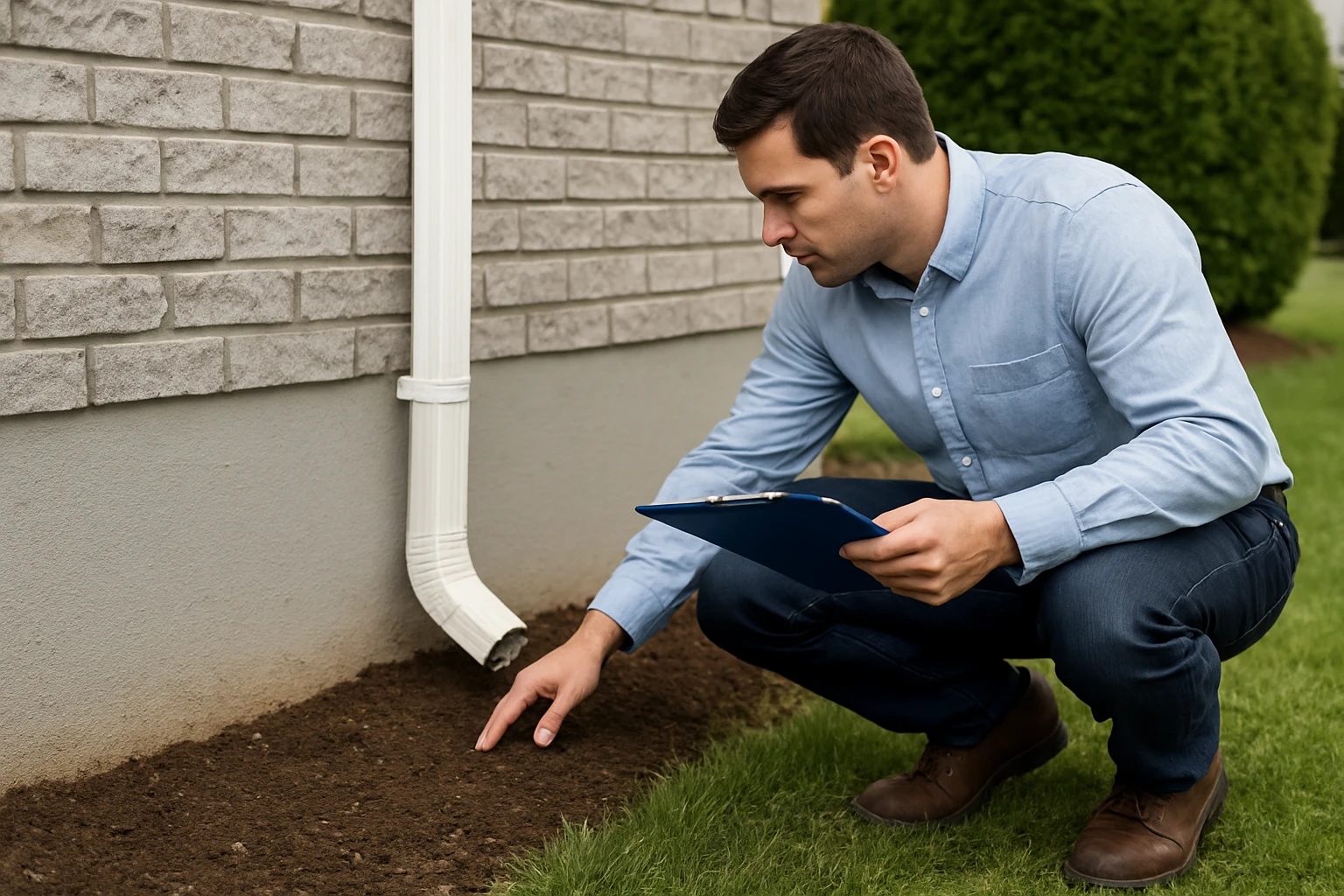
How to Inspect Exterior Grading and Downspouts to Protect Your Basement: A Step‑by‑Step Checklist
Introduction
One of the most common causes of basement flooding is improper exterior grading combined with ineffective downspout discharge. When water pools near the foundation, hydrostatic pressure can force moisture through cracks, leading to costly repairs. This guide explains how to evaluate the slope of the terrain surrounding a home, assess downspout performance, and implement corrective measures. By following the checklist, a homeowner can reduce the risk of water intrusion, protect structural integrity, and preserve the value of the property.
The procedures described are suitable for an intermediate DIY enthusiast who possesses basic hand tools and a willingness to perform systematic inspections. The guide also integrates recommended products that simplify the process, though the tasks can be completed without purchasing them. Each recommendation is accompanied by an explanation of why the tool or accessory is advantageous compared to generic alternatives.
Readers will learn how to identify grading deficiencies, test downspout flow, extend drainage pathways, and finish the job with professional‑grade splash blocks or pressure‑washer cleaning. The result is a comprehensive, actionable plan that minimizes basement water intrusion throughout the year.
Before beginning, it is advisable to schedule the inspection during a dry period so that water flow can be observed without interference from recent rainfall.
What You’ll Need
- Measuring tape (25 ft)
- Level or laser level
- Garden hose with adjustable nozzle
- Shovel and rake
- Safety gloves and goggles
- Optional: Rodnsurw Flexible Gutter Extensions – 3 pack
- Optional: FEILAYDUN Rain Gutter Extensions – 2 pack
- Optional: Suncast Decorative Splash Block – 6 pack
- Optional: Suncast Resin Splash Block
- Optional: JANZ Pressure Washer Wand
Step 1 – Verify Exterior Grading Slope
The first task is to confirm that the ground slopes away from the foundation at a minimum of 6 inches for every 10 feet (approximately 5%). Use a measuring tape to determine the distance from the foundation wall to a point 10 feet outward. Place a level on a straight board or use a laser level to measure the vertical drop.
If the slope is less than the recommended 6 inches, water will accumulate near the footings, increasing basement moisture. Adjust the grading by adding soil, compacting it, and re‑checking the slope. When adding soil, incorporate a layer of coarse sand to improve drainage.
Why this matters: Proper grading directs rainwater away from the foundation, reducing hydrostatic pressure. Even a small correction can prevent years of water infiltration.
Pro tip: Perform the measurement at multiple locations around the house to ensure a uniform slope.
Step 2 – Inspect Downspout Placement and Condition
Examine each downspout for cracks, rust, or blockages. Verify that the outlet terminates at least 6 feet from the foundation. Use a garden hose to run water through the system; observe the flow rate and note any pooling at the base.If a downspout ends too close to the house, it will deposit water directly onto the foundation. In such cases, an extension is required. This is where Rodnsurw Flexible Gutter Extensions become valuable.
Product details: The Rodnsurw set includes three extendable pipes ranging from 21 to 60 inches, constructed from tear‑resistant polypropylene, and rated 4.4/5 stars from 1,332 reviews. The split‑design allows easy bending and burial for a clean appearance. Priced at $32.99, the kit provides adapters and screws for secure attachment.
Why choose this product: The flexible material resists cracking in cold weather, and the ability to connect multiple sections enables extensions up to 116 inches, surpassing the minimum distance requirement without the need for professional installation.
Step 3 – Install Downspout Extensions
Measure the distance from the downspout outlet to the desired termination point (e.g., a dry area, French drain, or splash block). Cut the extension to length if necessary, although the Rodnsurw extensions are designed to be stretchable without cutting.
Attach the first extension by aligning the male end with the downspout outlet and securing it with the supplied screws. If additional length is required, connect a second pipe using the provided coupler. Ensure each joint is tightened to prevent water leakage.
For homeowners who prefer a longer reach, the FEILAYDUN Rain Gutter Extensions offer a comparable solution with a maximum extension of 66 inches per piece and the ability to combine two pieces for a total length of 127 inches.
Product details: This 2‑pack is priced at $24.99, carries a 4.5/5 rating from 641 reviews, and features upgraded ABS adapters and high‑quality PE pipe that resists creases and cracks. The split design simplifies installation, and the included screws secure the adapter to the downspout.
Why this alternative may be preferred: The FEILAYDUN set provides a slightly longer single‑piece extension and includes a mini‑connector for joining two pieces, allowing a total reach of over 10 feet when needed.
Step 4 – Position Splash Blocks at Downspout Termination
Once the extension ends at a suitable location, install a splash block to disperse the water over a broader area and prevent soil erosion. Place the block directly beneath the pipe outlet, ensuring it sits level.
The Suncast Decorative Splash Block is an aesthetically pleasing option that blends with landscaping while providing functional drainage.
Product details: This 6‑pack sells for $47.99, holds a 4.5/5 rating from 80 reviews, and is constructed from durable poly‑composite material that resists chipping. Each block measures 21.5 × 10.75 × 2 inches and weighs only 1.3 lb, making installation straightforward.
Why this product is advantageous: The decorative design reduces visual impact in a garden setting, and the lightweight construction allows easy repositioning if the grading changes.
For a more understated appearance, the Suncast Resin Splash Block provides a neutral taupe finish that complements a variety of exterior colors.
Product details: Priced at $16.81, this block carries a 4.5/5 rating from 4,239 reviews. Made from high‑impact resin, it resists cracking and offers a sleek profile. Dimensions are 21.5 × 10.5 × 2 inches.
Why choose the resin version: The lower price point and classic color make it ideal for homeowners who prioritize function over decorative flair.
Step 5 – Clean Downspout and Gutter Interior
Even with proper grading and extensions, debris can obstruct flow, reducing effectiveness. Use a garden hose to flush the gutters, then inspect the interior for leaves, twigs, or sediment.
If stubborn buildup remains, a pressure washer can provide a thorough clean without damaging the metal. The JANZ Pressure Washer Wand extends the reach of a standard pressure washer up to 24 feet, eliminating the need for ladders.
Product details: This wand costs $124.99, has a 4.3/5 rating from 859 reviews, and includes three interchangeable extensions, a brush head, and seven nozzle tips. The telescoping design locks in place, and the padded grip reduces fatigue during extended use.
Why this tool is beneficial: The ability to clean gutters from ground level improves safety and efficiency, especially on multi‑story homes where ladder use presents a risk.
Step 6 – Verify Water Discharge After Adjustments
After installing extensions and splash blocks, run water through the system again using a garden hose at a moderate flow rate. Observe the exit point of the water; it should disperse over a wide area without pooling.
Walk around the foundation to ensure no moisture stains appear on the lower walls. If any pooling is observed, adjust the extension length or reposition the splash block to achieve better distribution.
Document the final configuration with photos for future reference. Maintaining a record simplifies seasonal inspections and helps identify changes over time.
Tips & Pro Tips
- Perform the grading check twice a year—once after winter melt and once after summer storms—to catch seasonal shifts.
- When extending downspouts, avoid sharp bends that can impede flow; the flexible extensions listed above allow smooth curves.
- Consider installing a French drain in areas where grading cannot be altered significantly; it provides an underground conduit for excess water.
- Use a leaf guard inside gutters to reduce the frequency of cleaning and prevent clogs.
- Wear safety goggles when operating a pressure washer to protect eyes from debris.
Troubleshooting
| Problem | Possible Cause | Solution |
|---|---|---|
| Water still pools near foundation | Extension not long enough or splash block placed on slope | Extend pipe further using additional sections; reposition splash block on level ground. |
| Downspout leaks at joint | Improper screw tightening or damaged adapter | Re‑tighten screws; replace damaged adapter with spare from kit. |
| Gutter overflow during heavy rain | Insufficient gutter capacity or blockage | Clean debris thoroughly; consider larger‑diameter gutters or additional downspouts. |
Conclusion
By following this systematic checklist, a homeowner can evaluate exterior grading, ensure downspout discharge is adequate, and implement practical solutions such as flexible extensions and splash blocks. The recommended tools—Rodnsurw Flexible Gutter Extensions, FEILAYDUN Rain Gutter Extensions, Suncast splash blocks, and the JANZ Pressure Washer Wand—streamline each step, improve safety, and enhance long‑term performance. Consistent maintenance and periodic re‑inspection will keep the basement dry and protect the structural integrity of the home.
Products Mentioned in This Guide
Frequently Asked Questions
What is the ideal slope for exterior grading to prevent basement flooding?
The ground should slope away from the foundation at least 6 inches over the first 10 feet (≈5% grade).
How often should downspouts be inspected for proper flow?
Inspect them at least twice a year, preferably in spring and fall, and after any heavy rain.
What signs indicate that my downspouts are not discharging water far enough from the house?
Water pooling near the foundation, soggy soil, or visible runoff spilling onto the basement walls.
Can I use a simple garden hose to test downspout performance?
Yes, run water through each downspout to check for clogs and ensure it discharges at least 4‑6 feet from the foundation.
What inexpensive fixes can improve grading and downspout drainage?
Add soil to build a gentle slope, install splash blocks, and attach downspout extensions or rain barrels to redirect water away from the foundation.