Introduction
One will learn how to install a reliable sump pump beneath a finished basement floor while preserving the existing surface. This guide explains the planning, preparation, and execution phases required to create a hidden drainage solution. It emphasizes techniques that avoid extensive demolition, thereby reducing labor costs and preserving aesthetic value. By following the outlined steps, a homeowner can protect the basement from water intrusion and increase the overall resale value of the property.
What You'll Need
- Portable submersible pump suitable for clean‑water removal, such as the 6699 Portable Utility Sump Pump.
- Flexible PVC discharge pipe (1‑inch diameter recommended).
- PVC primer and cement for secure pipe joints.
- Two hose adapters (3/4‑inch garden hose and 1‑inch PVC adapter) supplied with the pump.
- Floor‑leveling compound or self‑levelling concrete.
- Drill with masonry bit, hammer drill, and screwdriver set.
- Silicone sealant and waterproof membrane.
- Utility knife, measuring tape, and marker.
Step 1: Assess the Basement Floor and Locate the Ideal Pump Position
The first task is to identify a low‑lying area where water naturally accumulates. One should measure the floor slope using a level and mark the spot that sits at least two inches below the surrounding surface. This location will become the sump basin, and placing the pump there maximizes efficiency while minimizing pipe length. Verify that the chosen spot is clear of electrical wiring, plumbing, and structural supports to avoid accidental damage during installation.
Step 2: Create a Drainage Path Without Removing Finished Flooring
Instead of tearing out the concrete, one can cut a shallow trench using a rotary hammer equipped with a core‑drill bit. The trench should be approximately 3‑4 inches deep and follow a straight line from the basin to the nearest wall where a discharge outlet can be concealed. By keeping the trench depth minimal, the integrity of the finished floor remains intact, and the visual impact is negligible. After cutting, clean the trench of dust and debris to ensure a smooth pipe lay.
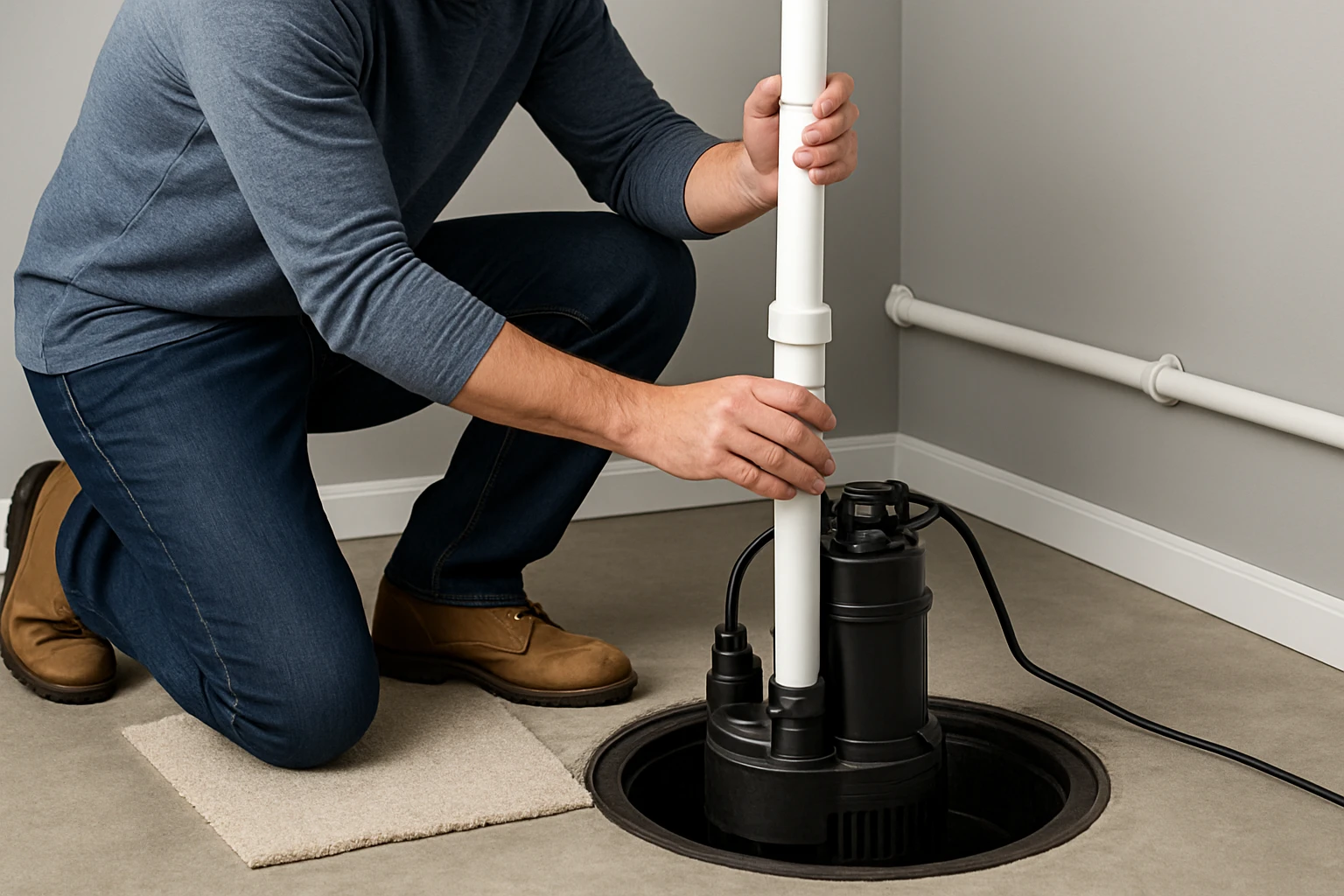
Step 3: Install a Submersible Pump in a Concealed Basin
At the low point identified in Step 1, one should construct a shallow basin using a pre‑formed plastic liner or a small concrete box. The basin dimensions need only accommodate the pump’s footprint, which measures 5.9 inches in diameter and 8.3 inches in height. The 6699 Portable Utility Sump Pump is an ideal choice because its 1/6 HP motor can remove up to 1,100 gallons per hour, providing ample capacity for typical residential flooding scenarios. Key features include:
- Energy‑efficient motor with thermal overload protection for safety and longevity.
- Quiet operation suitable for occupied basements.
- Screened inlet that prevents large solids from entering the pump, ensuring reliable performance.
- Two hose adapters (3/4‑inch garden hose and 1‑inch PVC) for versatile connections.
The pump is priced at $50.04 and holds a rating of 4.4 out of 5 stars based on 812 customer reviews, indicating strong user satisfaction. Place the pump in the basin, ensuring the inlet is level with the bottom of the basin to maximize suction. Connect the supplied hose adapters to the pump outlet, securing them with the provided clamps.
Step 4: Connect the Pump to the Discharge Pipe
From the pump outlet, attach a short length of 1‑inch PVC pipe using the 1‑inch adapter supplied with the pump. Apply PVC primer followed by cement to create a watertight joint. Run the pipe through the trench created in Step 2, maintaining a gentle downward slope of at least 1/8 inch per foot to promote gravity‑assisted flow. At the wall termination point, install a bulkhead fitting that allows the pipe to exit the basement while preserving the exterior wall’s weatherproofing. Seal the bulkhead with silicone sealant to prevent moisture ingress.
Step 5: Seal and Test the System
Before backfilling the trench, it is essential to verify that the pump operates correctly. Plug the pump into a grounded GFCI outlet and pour water into the basin until the pump activates. Observe the discharge flow for steady, uninterrupted movement and check for any leaks at pipe joints or the bulkhead fitting. If any leaks are detected, re‑apply primer and cement or tighten the hose clamps as needed. Once the system runs smoothly, seal the trench with floor‑leveling compound, smoothing the surface to match the surrounding floor.
Step 6: Finish the Floor Covering Around the Basin
After the compound cures, one may install a decorative floor covering, such as interlocking vinyl tiles or a thin epoxy coating, over the repaired area. This final step restores the visual continuity of the basement floor while keeping the sump basin concealed beneath the surface. Ensure that the chosen covering is compatible with occasional moisture exposure, as the pump may operate during heavy rain events.
Tips & Pro Tips
- Install a battery‑backed float switch to automate pump activation when water reaches a predetermined level.
- Place a small piece of mesh screen over the pump inlet to capture debris that could bypass the built‑in screen.
- Route the discharge pipe to a location that complies with local building codes, typically a daylight drain or exterior sump pit.
- Periodically inspect the pump’s cord and plug for wear, replacing them promptly to maintain safety.
Troubleshooting
Problem: Pump does not start when water is present.
Solution: Verify that the GFCI outlet is functional, check the power cord for damage, and ensure the thermal overload protection has not tripped due to overheating.
Problem: Water leaks from pipe joints.
Solution: Re‑apply PVC primer and cement, and tighten all hose clamps. Use silicone sealant around the bulkhead fitting for added protection.
Conclusion
One has now acquired the knowledge to retrofit a sump pump beneath a finished basement floor without extensive demolition. By following the six detailed steps, selecting the appropriate tools, and applying the provided tips, a homeowner can create a discreet and effective water‑removal system. The result is a dry, protected basement that retains its aesthetic appeal and adds value to the property.
Products Mentioned in This Guide
Frequently Asked Questions
Can I install a sump pump under a finished basement floor without breaking the concrete?
Yes, by drilling small holes and using a floor‑leveling compound you can create a hidden pump cavity with minimal demolition.
What tools are needed to retrofit a sump pump beneath a finished floor?
A hammer drill with a masonry bit, screwdriver set, utility knife, measuring tape, PVC primer and cement, silicone sealant, and a waterproof membrane.
How should I seal the pipe penetration to prevent water leaks?
Apply silicone sealant around the pipe and cover the opening with a waterproof membrane before backfilling with leveling compound.
Which type of pump is best for a clean‑water sump pump retrofit?
A portable submersible pump like the 6699 Portable Utility Sump Pump is ideal for clean‑water removal in confined spaces.
Will adding a hidden sump pump increase my home’s resale value?
A concealed drainage system protects the basement from water damage and is attractive to buyers, often boosting resale value.