The Landlord’s Complete Guide to Basement Moisture Control
Introduction
Basement moisture presents a persistent challenge for property owners, often leading to structural damage, health hazards, and legal disputes. This guide explains the scope of the problem, outlines landlord obligations, and presents practical strategies for prevention and repair. Readers will learn how to assess risk, implement cost‑effective solutions, and maintain compliance with housing regulations. By the end of this article, landlords will possess a comprehensive framework for protecting their investments and safeguarding tenant wellbeing.
Background and Context
Moisture intrusion in basements originates from groundwater pressure, condensation, and plumbing leaks, each requiring distinct mitigation approaches. Understanding the physics of capillary action and vapor diffusion helps landlords diagnose the root cause of dampness. In many jurisdictions, habitability statutes mandate that landlords address water‑related defects within a reasonable timeframe. Failure to act can result in tenant claims, code violations, and financial penalties. Consequently, a proactive maintenance plan is both a legal safeguard and a sound business practice.
Assessing Basement Moisture Risks
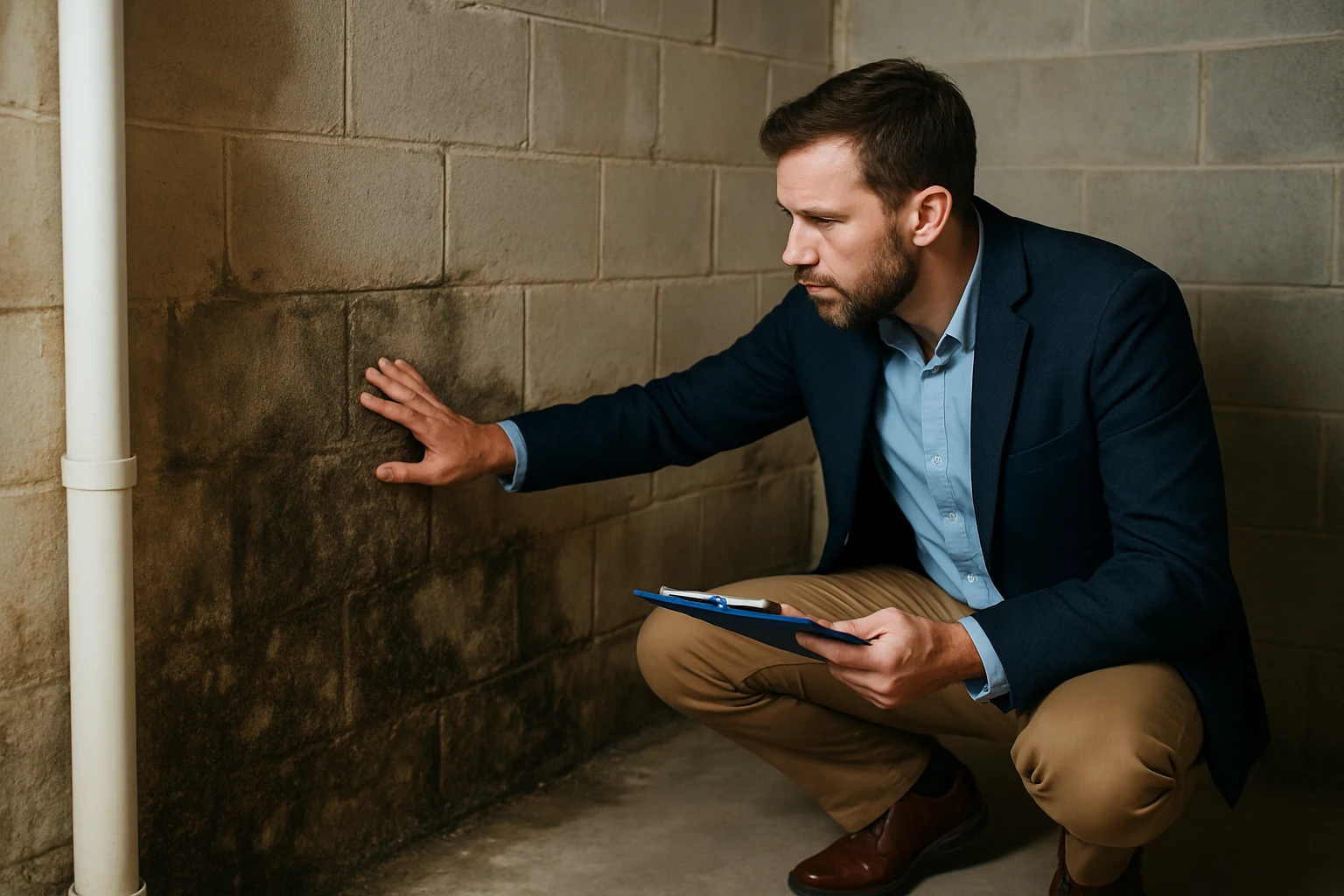
The first step in any moisture control program is a thorough inspection that documents visible signs and measures humidity levels. Inspectors should look for efflorescence, mold growth, peeling paint, and musty odors, all of which indicate chronic exposure. Using a calibrated hygrometer, landlords can verify that relative humidity remains below 60 percent, the threshold at which mold proliferation becomes likely. Documenting findings with photographs and written notes creates a defensible record should disputes arise.
Preventive Strategies
Effective prevention combines exterior drainage improvements, interior vapor barriers, and climate control devices. Exterior measures include grading the soil away from the foundation, installing or repairing French drains, and maintaining functional gutters and downspouts. Inside the basement, sealing cracks in walls and floors with a reliable waterproofing product is essential. For ongoing humidity management, a properly sized dehumidifier should operate continuously during wet seasons. Together, these tactics reduce water pressure, limit moisture migration, and protect structural components.
Sealant Application and Product Recommendation
When cracks or joints permit water entry, applying a flexible, rubberized sealant offers a rapid and durable remedy. The Gorilla Waterproof Sealant Spray provides a self‑leveling coating that adheres to metal, concrete, wood, and many other substrates. It seals out water, air, and moisture, while remaining temperature and UV resistant, ensuring long‑term performance. The product is paintable, allowing landlords to match existing finishes after repair. At $14.79 and a rating of 4.3 out of 5 stars from over 13,130 reviewers, it represents a cost‑effective solution for minor cracks and seams.
Application Procedure
Before use, the surface must be cleaned of dust, grease, and oil, then allowed to dry completely. The user shakes the can vigorously and sprays from a distance of 8 to 12 inches, creating an even coat. Multiple layers may be required for deeper fissures, with a 24‑hour cure time before exposure to water. The nozzle’s controlled spray pattern minimizes overspray, and the formula remains flexible after curing, accommodating slight substrate movement without cracking.
Complementary Repair Tools
While sealant addresses surface cracks, larger water ingress often necessitates a sump pump installation. A reliable pump should feature a backup battery, a float switch, and a discharge pipe that directs water away from the foundation. Additionally, interior wall membranes can be applied to create a vapor barrier that blocks moisture diffusion. These measures, combined with sealant use, form a layered defense that addresses both point‑source leaks and pervasive humidity.
Comparison and Selection Guide
Landlords evaluating waterproofing products should consider coverage area, drying time, substrate compatibility, and price per ounce. Compared with traditional brush‑on sealants, spray‑on formulations like Gorilla Waterproof Sealant Spray offer faster application and a more uniform film. However, for extensive foundation cracks exceeding ¼ inch, a polymer‑based epoxy may be more appropriate. When selecting a dehumidifier, prioritize units with a built‑in humidistat, energy‑star certification, and a capacity matched to the basement’s cubic footage. By aligning product specifications with the identified problem, landlords can allocate resources efficiently.
Best Practices and Maintenance Tips
Regular maintenance amplifies the effectiveness of any moisture control system. Landlords should schedule bi‑annual inspections to clear gutters, verify pump operation, and re‑apply sealant to any newly formed cracks. Monitoring humidity with a digital hygrometer enables timely dehumidifier adjustments before mold becomes established. In addition, tenants should be educated on proper ventilation, especially when using dryers or showers that generate steam. Promptly addressing spills and condensation further reduces the risk of water damage.
Legal Responsibilities and Documentation
Most residential codes classify water intrusion as a habitability issue, obligating landlords to remediate within a reasonable period after notice. Documentation of repairs, including receipts for products such as the Gorilla Waterproof Sealant Spray, strengthens compliance records. In jurisdictions that require disclosure of known moisture problems, landlords must provide written notice to prospective tenants. Failure to disclose or repair can result in rent abatement claims, fines, or litigation. Maintaining a detailed log of inspections, repairs, and communications demonstrates good faith effort to meet legal standards.
FAQ
- What humidity level is safe for a basement? Relative humidity should remain below 60 percent to inhibit mold growth.
- Can the Gorilla Waterproof Sealant Spray be used on plastic pipes? The product may not adhere well to certain plastics; manufacturers advise testing on a disposable piece first.
- How often should a sump pump be tested? Landlords should test the pump monthly by pouring water into the pit to confirm automatic activation.
- Is paintable sealant necessary? Paintable formulations allow seamless integration with existing wall finishes, preserving aesthetic consistency.
- What legal recourse do tenants have for unresolved moisture issues? Tenants may file complaints with local housing authorities, withhold rent, or pursue damages in court if the landlord fails to act.
Conclusion
Effective basement moisture control requires a blend of legal awareness, preventive infrastructure, and targeted repair techniques. By conducting regular inspections, employing reliable products such as the Gorilla Waterproof Sealant Spray, and maintaining drainage systems, landlords can protect their properties and fulfill statutory duties. Consistent documentation and tenant communication further mitigate risk and foster a healthy rental environment. Implementing the strategies outlined in this guide will reduce repair costs, prevent health hazards, and ensure compliance with housing regulations.
Products Featured in This Guide
Gorilla Waterproof Sealant Spray
Price: $14.79
Rating: 4.3 out of 5 stars (13,130 reviews)
Why it is featured: This spray provides a flexible, rubberized coating that seals out water, air, and moisture, making it ideal for sealing cracks in basement walls and floors. It is temperature and UV resistant, paintable, and suitable for a wide range of materials, offering landlords a versatile, affordable repair solution.
Frequently Asked Questions
What are a landlord's legal responsibilities regarding basement moisture?
Landlords must address water‑related defects promptly to meet habitability statutes and avoid tenant claims, code violations, and penalties.
What are the common sources of basement moisture that landlords should inspect?
Typical sources include groundwater pressure, condensation, and plumbing leaks, each requiring specific mitigation methods.
How can landlords quickly assess the risk of moisture intrusion in a basement?
A visual inspection for damp spots, musty odors, and water stains combined with checking exterior drainage and plumbing can identify problem areas.
What cost‑effective measures can landlords implement to prevent basement moisture?
Installing proper exterior grading, sealing foundation cracks, using vapor barriers, and ensuring adequate ventilation are affordable preventative steps.
Why is controlling basement moisture important for tenant health and property value?
Excess moisture can cause mold growth and structural damage, leading to health hazards for tenants and costly repairs that reduce the property's value.