
The Ultimate Basement Drainage Inspection Checklist for Home Inspectors: A Comprehensive Step‑by‑Step Guide
Introduction
The integrity of a home’s basement drainage system often determines the long‑term health of the entire property. Home inspectors must be able to identify deficiencies, evaluate existing components, and recommend corrective actions with confidence. This guide explains the scope of a thorough inspection, outlines the essential steps, and integrates two proven products that simplify evaluation and repair. Readers will learn how to conduct a systematic visual assessment, perform functional tests, interpret results, and document findings in a professional report.
By following the checklist presented herein, inspectors will reduce missed defects, improve client satisfaction, and enhance their reputation as trusted experts in moisture‑related issues.
Background / Context
Basement drainage systems typically consist of exterior footing drains, interior French drains, sump pits, and submersible pumps. Water infiltration can arise from hydrostatic pressure, surface runoff, or faulty plumbing. Understanding the physics of water movement, the role of perforated pipe, and the operation of automatic pump systems provides the foundation for accurate diagnosis.
Key terminology includes:
- Hydrostatic pressure: The force exerted by water in the soil against foundation walls.
- Perforated pipe: A conduit with holes that allows water to enter and be conveyed away from the foundation.
- Check valve: A device that prevents backflow into the sump pit after the pump shuts off.
Regulatory standards such as ASTM D2321 for drainage pipe crush resistance and local building codes dictate minimum performance criteria. Inspectors should be familiar with these references to assess compliance.
Step‑by‑Step Inspection Process
1. Initial Visual Assessment
Begin by observing the exterior grading, downspout extensions, and visible drainage outlets. Verify that the soil slopes away from the foundation at a minimum of 5 percent for the first ten feet. Document any standing water, erosion, or clogged gutters.
Inside the basement, locate the primary sump pit and any interior French drain lines. Note the condition of the pit cover, the presence of debris, and the accessibility of the pump.
Use a flashlight and a moisture meter to identify damp spots on walls and floors. Record measurements of moisture content exceeding 15 percent, as this indicates active infiltration.
When the inspection reveals inadequate exterior grading, recommend corrective grading or the installation of a surface drainage system before addressing interior components.
2. Testing the Sump Pump System
Activate the pump manually by pouring water into the pit until the float triggers operation. Observe the pump’s start‑up time, flow rate, and any abnormal noises. Verify that the discharge pipe discharges water at least six feet away from the foundation.
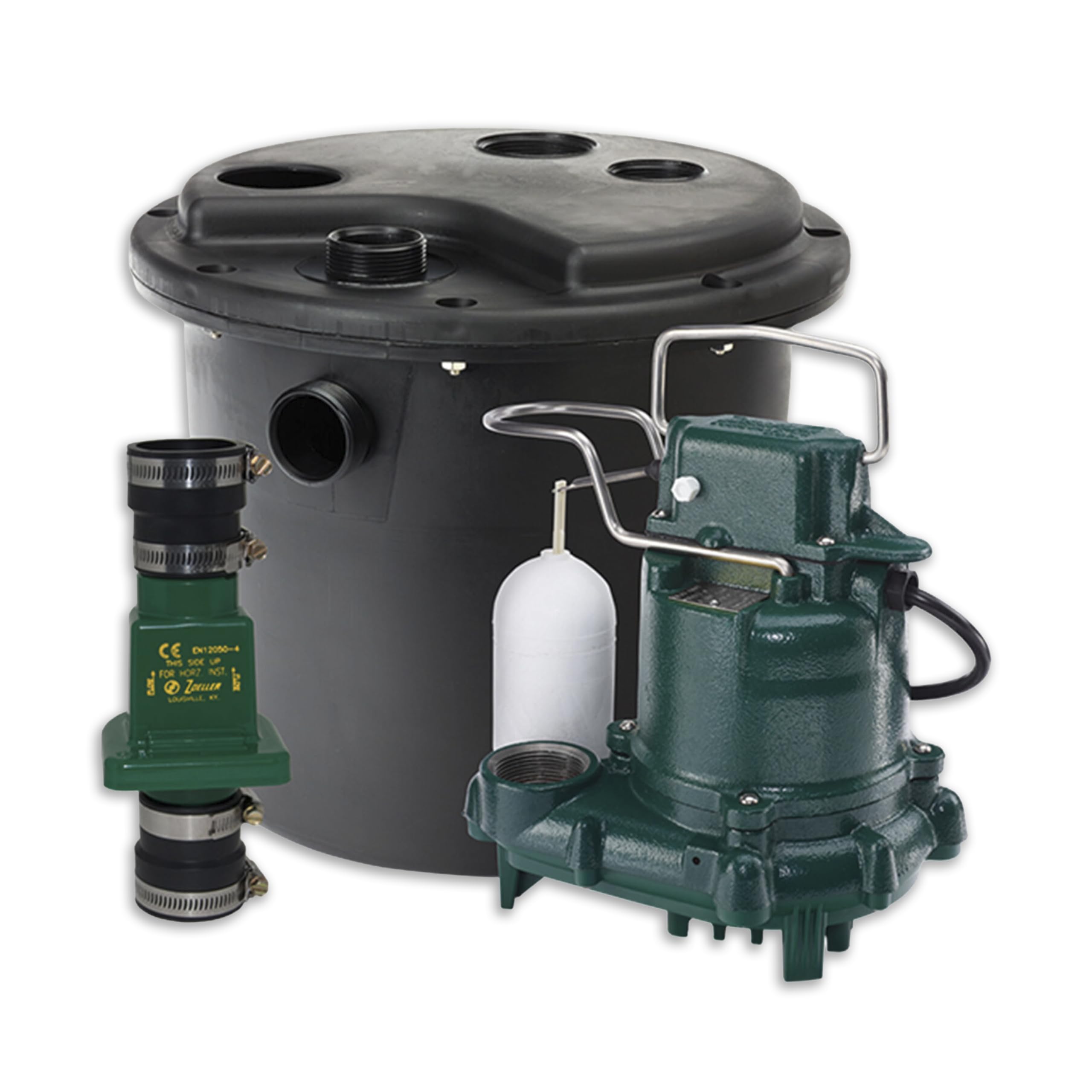
Check for a functional Zoeller Automatic Drain Pump. This 3/10 HP submersible unit features a non‑clogging vortex impeller capable of passing solids up to ½ inch, a compact corrosion‑resistant housing, and a built‑in check valve. The product holds a 4.6‑star rating from over 1,000 reviewers, indicating reliable performance in residential applications.
Measure the pump’s discharge pressure with a calibrated gauge. A pressure below the manufacturer’s specification may signal a clogged discharge line or a failing impeller.
Document the pump’s age, model number, and warranty status. If the pump is older than ten years, advise a proactive replacement to avoid unexpected failure.
3. Evaluating Interior Drain Pipe Condition
Inspect exposed sections of the interior French drain for cracks, deformation, or corrosion. Where the pipe is concealed, use a small inspection camera to view the interior without extensive demolition.
If the existing pipe shows signs of deterioration, consider replacing it with a high‑performance perforated pipe such as the Flex‑Drain Flexible Drain Pipe. This 4‑inch by 8‑foot product expands from 2 feet to 8 feet, incorporates soil‑tight fittings, and meets ASTM crush‑resistance standards. Reviewers rate it 4.5 stars based on 284 comments, praising its durability and ease of installation.
When installing the Flex‑Drain, ensure the trench is at least 12 inches deep and that the pipe is laid on a bed of washed stone. The perforations allow water to enter along the entire length, improving flow rates by approximately 14 percent compared with conventional corrugated pipe.
Confirm that the pipe’s peak‑and‑valley design provides a 30‑percent higher load‑bearing rating, which is especially valuable in freeze‑thaw cycles common to many climates.
4. Assessing Exterior Footing Drains
Locate the footing drain outlets at the foundation’s base. Verify that the outlet pipe terminates at a proper discharge point, such as a dry well or a storm sewer. Use a garden hose to simulate heavy rain and observe whether water backs up into the basement.
If the footing drain is clogged, recommend a hydro‑jet cleaning or the installation of a new perforated pipe system. The Flex‑Drain’s expandable nature reduces storage space by a factor of five, simplifying transportation to the job site.
Document any deviations from local code, such as undersized pipe diameter or missing clean‑out fittings.
Finally, ensure that all pipe connections are sealed with appropriate gaskets to prevent soil infiltration.
Comparison / Selection Guide
Choosing the appropriate drainage components depends on site conditions, budget, and long‑term performance goals. The table below compares the two featured products against common criteria.
| Criterion | Flex‑Drain Flexible Drain Pipe | Zoeller Automatic Drain Pump |
|---|---|---|
| Primary Function | Perforated, expandable drainage conduit | Submersible sump pump with automatic activation |
| Typical Application | Interior French drains, exterior footing drains | Basement sump pit water removal |
| Price (USD) | $2.52 | $295.84 |
| Rating | 4.5 / 5 (284 reviews) | 4.6 / 5 (1,007 reviews) |
| Key Advantage | Expands to 8 ft, reduces storage, superior flow rate | Handles solids up to ½ inch, built‑in check valve, 3‑year warranty |
| Installation Complexity | Low – no connectors required, soil‑tight fittings built in | Medium – requires pit preparation and electrical hookup |
Inspectors should recommend Flex‑Drain when the primary need is a reliable, high‑flow pipe that can be installed quickly in confined spaces. Zoeller is the preferred choice when a robust, automatic pump is required to protect against rapid water accumulation.
Best Practices & Tips
- Document every measurement with calibrated tools; photographs provide visual proof for clients.
- When testing a pump, record the time required to clear a known volume of water; this metric helps compare pump performance across properties.
- Use a back‑flow preventer on all discharge lines to avoid contamination of municipal storm systems.
- Schedule periodic maintenance of the sump pump, including cleaning the inlet screen and testing the float mechanism.
- Consider installing a battery‑backed backup pump in areas prone to power outages; this mitigates the risk of flood damage during storms.
- Educate homeowners about the importance of keeping the area around exterior drains clear of mulch, leaves, and debris.
Frequently Asked Questions
1. How often should a home inspector test a basement sump pump?
Testing should be performed at each inspection, especially in regions with seasonal rainfall. A functional test verifies that the pump will activate when needed.
2. Can Flex‑Drain be used in freeze‑thaw environments?
Yes. The product’s patented peak‑and‑valley design provides a 30‑percent higher load‑bearing rating, allowing it to withstand repeated expansion and contraction without cracking.
3. What is the typical lifespan of a Zoeller submersible pump?
When maintained according to the manufacturer’s guidelines, Zoeller pumps often exceed ten years of service. The included three‑year warranty covers early failures.
4. Is a check valve necessary for every sump pump system?
Yes. A check valve prevents water from flowing back into the pit after the pump shuts off, reducing the likelihood of rapid re‑flooding.
5. How can an inspector differentiate between a clogged drain pipe and a failed pump?
Perform a pump activation test while observing the discharge line. If water exits the pipe at the expected rate, the pump is functional; reduced flow suggests a blockage in the pipe.
6. Are there any code requirements for pipe diameter in basement drainage?
Many jurisdictions require a minimum of 4 inches for primary drainage lines. Flex‑Drain meets this requirement while offering superior flow characteristics.
7. What maintenance tasks should homeowners perform annually?
Homeowners should clean the sump pit, inspect the pump for corrosion, test the float mechanism, and ensure that exterior grading remains adequate.
Conclusion
Conducting a meticulous basement drainage inspection protects both the homeowner and the inspector from costly water damage claims. By following the step‑by‑step checklist, evaluating each component against industry standards, and recommending proven products such as the Flex‑Drain Flexible Drain Pipe and the Zoeller Automatic Drain Pump, inspectors can deliver comprehensive, actionable reports. Consistent documentation, regular maintenance recommendations, and clear communication of findings will elevate the inspector’s professional credibility.
Products Featured in This Guide
Flex‑Drain Flexible Drain Pipe
Price: $2.52 | Rating: 4.5/5 (284 reviews)
Featured because it provides an expandable, perforated solution that meets ASTM crush‑resistance standards, reduces storage space, and improves flow rates by 14 %.
Zoeller Automatic Drain Pump
Price: $295.84 | Rating: 4.6/5 (1,007 reviews)
Featured because it delivers reliable 3/10 HP performance, handles solids up to ½ inch, includes a built‑in check valve, and is backed by a three‑year warranty.
