Ultimate Guide to French Drain Design for Sloped Lots: Plan, Install & Prevent Erosion
Introduction
This guide provides a thorough examination of French drain systems specifically engineered for sloped lots. Readers will discover the underlying principles of drainage, step‑by‑step installation methods, and strategies to mitigate erosion on inclined terrain. The article also highlights essential products that simplify construction while enhancing performance. By the conclusion, one will possess the knowledge required to design a reliable, low‑maintenance drainage solution.
Background and Context
French drains are subterranean channels that collect and redirect groundwater away from vulnerable structures. On sloped sites, gravity accelerates water movement, increasing the risk of runoff concentration and soil loss. Understanding soil permeability, slope gradient, and hydraulic head is critical to selecting appropriate pipe diameter and bedding material. Moreover, local building codes often dictate minimum setbacks and discharge locations, making regulatory awareness indispensable.
Key Concepts in French Drain Design
Effective French drain design rests on three core concepts: proper grading, suitable pipe selection, and adequate backfill. Grading ensures water flows toward the outlet without pooling, typically requiring a minimum slope of 1% (one foot of drop per 100 feet of length). Pipe selection involves choosing a conduit that balances structural strength with flexibility for irregular terrain. Backfill material, commonly washed gravel, provides filtration while maintaining void space for water movement.
Grading and Layout
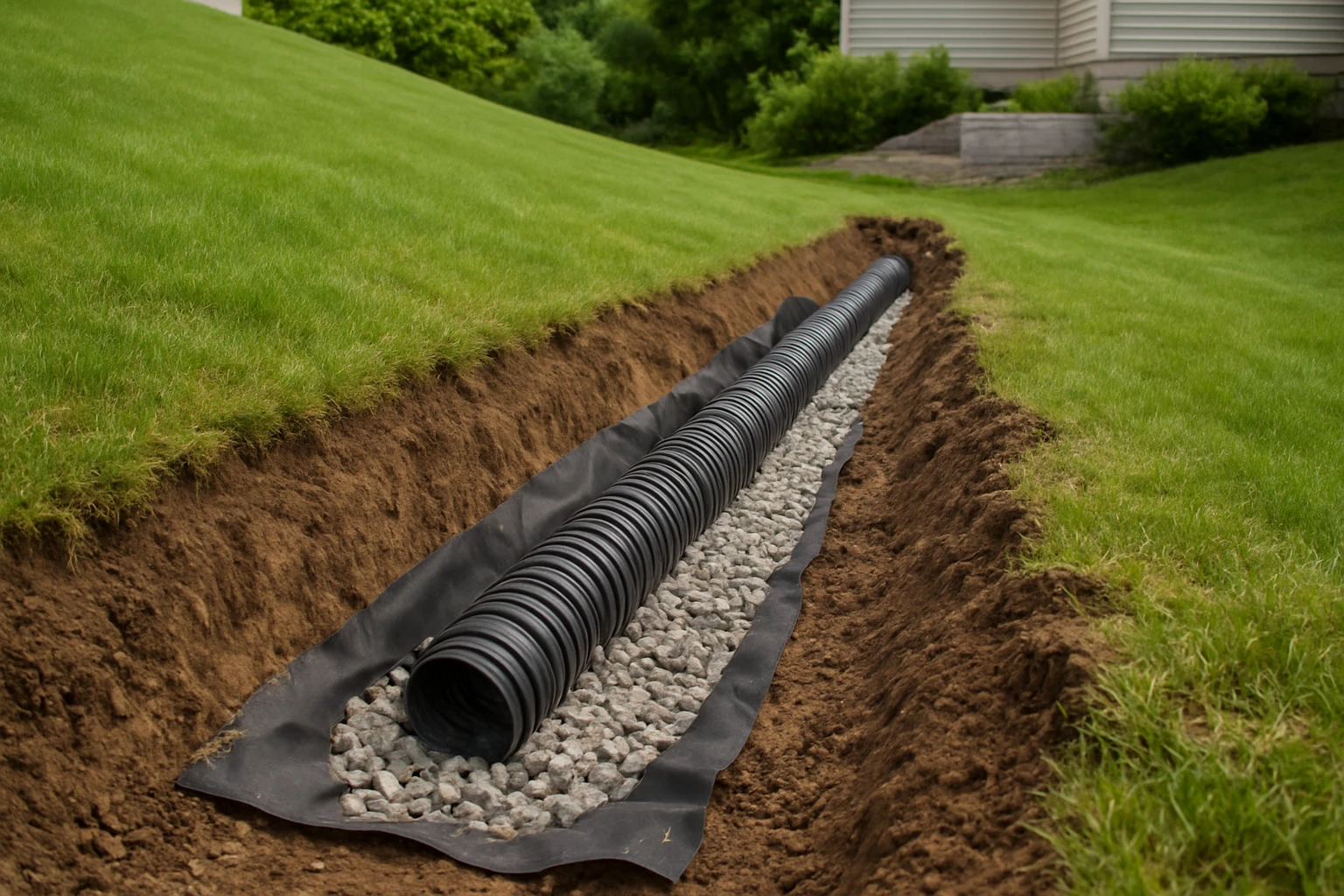
Begin by surveying the site to determine the highest point of water accumulation and the lowest permissible discharge location. Use a laser level or transit to establish a consistent gradient, marking the trench line with spray paint. Incorporate a slight dip at the downstream end to facilitate continuous flow, and avoid low spots that could trap debris. For steep slopes, consider a stepped trench design to reduce velocity and limit erosion.
Pipe Selection and Materials
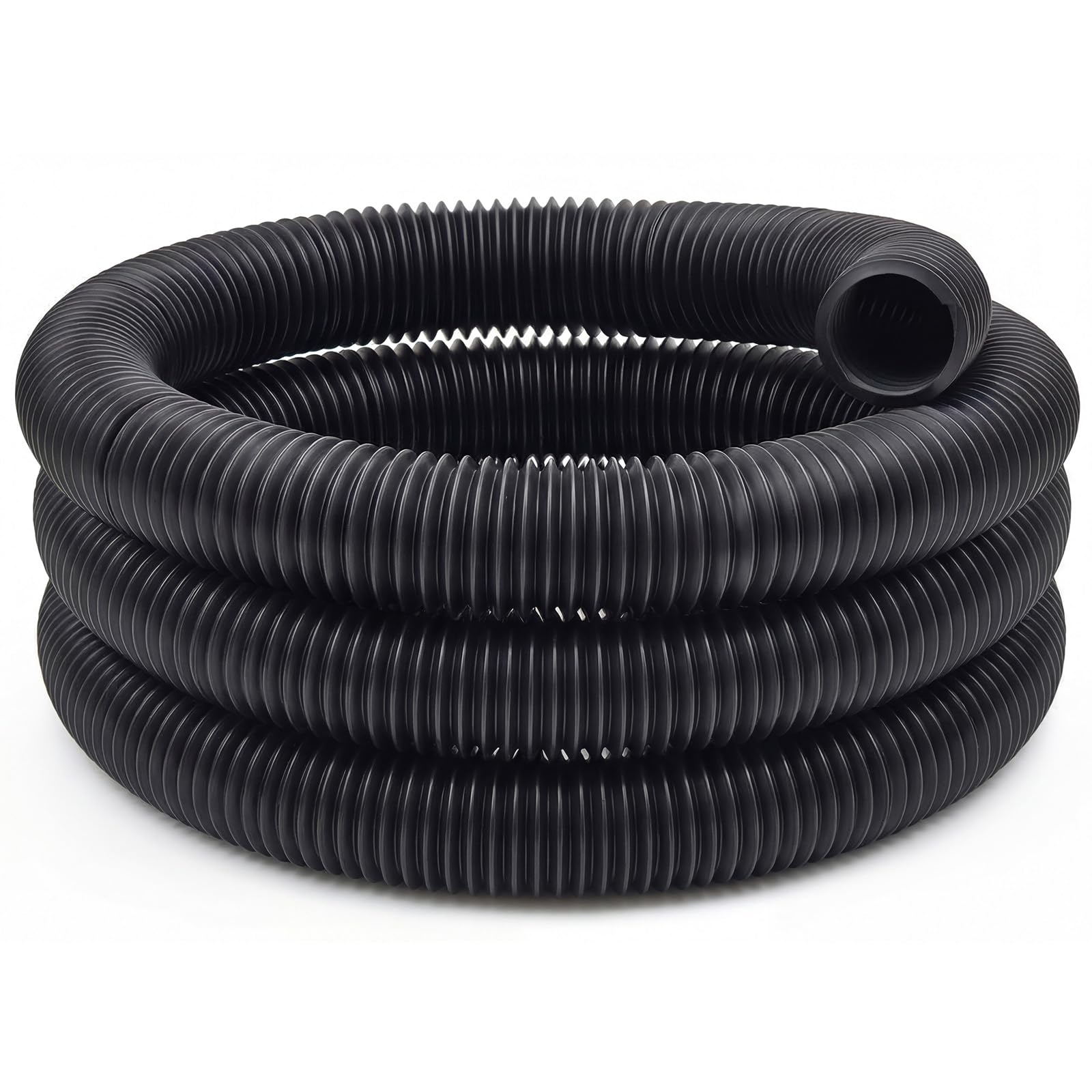
Choosing the right pipe influences both installation ease and long‑term durability. Rigid PVC offers superior rigidity but may be difficult to maneuver around obstacles. Flexible corrugated polyethylene, such as the Glooglitter Flexible Drain Pipe, combines a 4‑inch outer diameter with a 0.25‑inch wall thickness, delivering strong load‑bearing capacity while remaining easy to bend around curves. Its corrugated surface resists abrasion from soil and gravel, and the standard threaded interface permits tool‑free connections.
Backfill and Filtration
After pipe placement, cover the conduit with a minimum of six inches of washed stone to create a permeable filter layer. This stone barrier prevents fine soil from clogging the pipe while allowing rapid water infiltration. Finish the trench with a geotextile fabric to separate the surrounding soil from the stone, extending the lifespan of the drainage system. Finally, backfill the remaining trench with native soil, compacting gently to avoid settlement.
Recommended Products for Sloped French Drains
While many components are interchangeable, certain products streamline installation on challenging slopes. The Glooglitter Flexible Drain Pipe stands out for its ease of use and durability. Priced at $38.59, it carries a rating of 2.6 out of 5 stars based on eight reviews, indicating room for improvement but offering a cost‑effective solution for budget‑conscious projects. Its universal 4‑inch diameter aligns with standard French drain specifications, and the flexible design reduces labor time, especially when navigating steep or irregular terrain.
Comparison and Selection Guide
| Feature | Glooglitter Flexible Drain Pipe | Rigid PVC Pipe (Typical) | Corrugated HDPE Pipe (Premium) |
|---|---|---|---|
| Diameter | 4 in (standard) | 4 in (standard) | 4–6 in (varies) |
| Wall Thickness | 0.25 in | 0.20 in | 0.30 in |
| Flexibility | High – bends easily | Low – rigid | Medium – semi‑flexible |
| Installation Tools | No special tools required | Cutting saw, solvent cement | Specialized fittings |
| Price (per 15 ft) | $38.59 | ≈ $45.00 | ≈ $60.00 |
| Customer Rating | 2.6/5 (8 reviews) | 4.2/5 (120 reviews) | 4.5/5 (65 reviews) |
| Best For | DIY projects on slopes | Long‑term commercial installations | High‑pressure applications |
When selecting a pipe, weigh flexibility against structural strength and cost. For most residential sloped lots, the flexible option reduces labor while meeting performance standards. Professionals requiring higher pressure tolerance may prefer premium HDPE, whereas rigid PVC remains a solid choice for straight, shallow trenches.
Best Practices & Tips
- Conduct a soil permeability test before design; sandy soils drain quickly, while clay soils may require perforated pipe and additional geotextile.
- Install a catch‑basin or dry well at the outlet to disperse water safely and prevent downstream erosion.
- Use a protective fabric sleeve around the pipe when working in rocky substrates to avoid punctures.
- Schedule regular inspections after heavy rain to clear debris that could obstruct flow.
- Consider adding a slope‑stabilizing vegetative strip downhill of the drain to absorb residual runoff.
Frequently Asked Questions
- How deep should a French drain be on a sloped lot? A typical depth ranges from 24 to 36 inches, ensuring the pipe remains below the frost line and beneath surface traffic.
- Can I use the same pipe for both French drains and downspout extensions? Yes, flexible corrugated pipe such as the Glooglitter model can serve both purposes, provided the diameter matches the intended flow rate.
- What is the minimum slope required for effective drainage? A minimum of 1% slope (one foot of vertical drop per 100 feet of horizontal run) is recommended to maintain continuous flow.
- How often should the gravel backfill be replaced? Typically, the gravel does not require replacement unless a blockage is identified; periodic flushing with water can maintain permeability.
- Is a permit needed for installing a French drain? Local regulations vary; many municipalities require a permit if the drain discharges into public waterways or alters existing drainage patterns.
- What maintenance tasks are essential? Clear surface debris, check for pipe sagging after settlement, and verify that the outlet remains unobstructed.
- Can I install a French drain myself? With proper tools, clear instructions, and a flexible pipe such as the Glooglitter model, a competent DIYer can successfully complete the installation.
Conclusion
Designing a French drain for a sloped lot demands careful attention to grading, pipe selection, and backfill composition. By following the outlined procedures and employing reliable products like the Glooglitter Flexible Drain Pipe, one can achieve efficient water diversion while minimizing erosion risk. Regular maintenance and adherence to local codes will ensure the system functions effectively for years to come.
Products Featured in This Guide
Glooglitter Flexible Drain Pipe
Price: $38.59
Rating: 2.6/5 (8 reviews)
Why it is featured: Its 4‑inch diameter, flexible corrugated design, and easy‑threaded connections make it ideal for installing French drains on steep, uneven terrain where rigid pipe would be difficult to position.