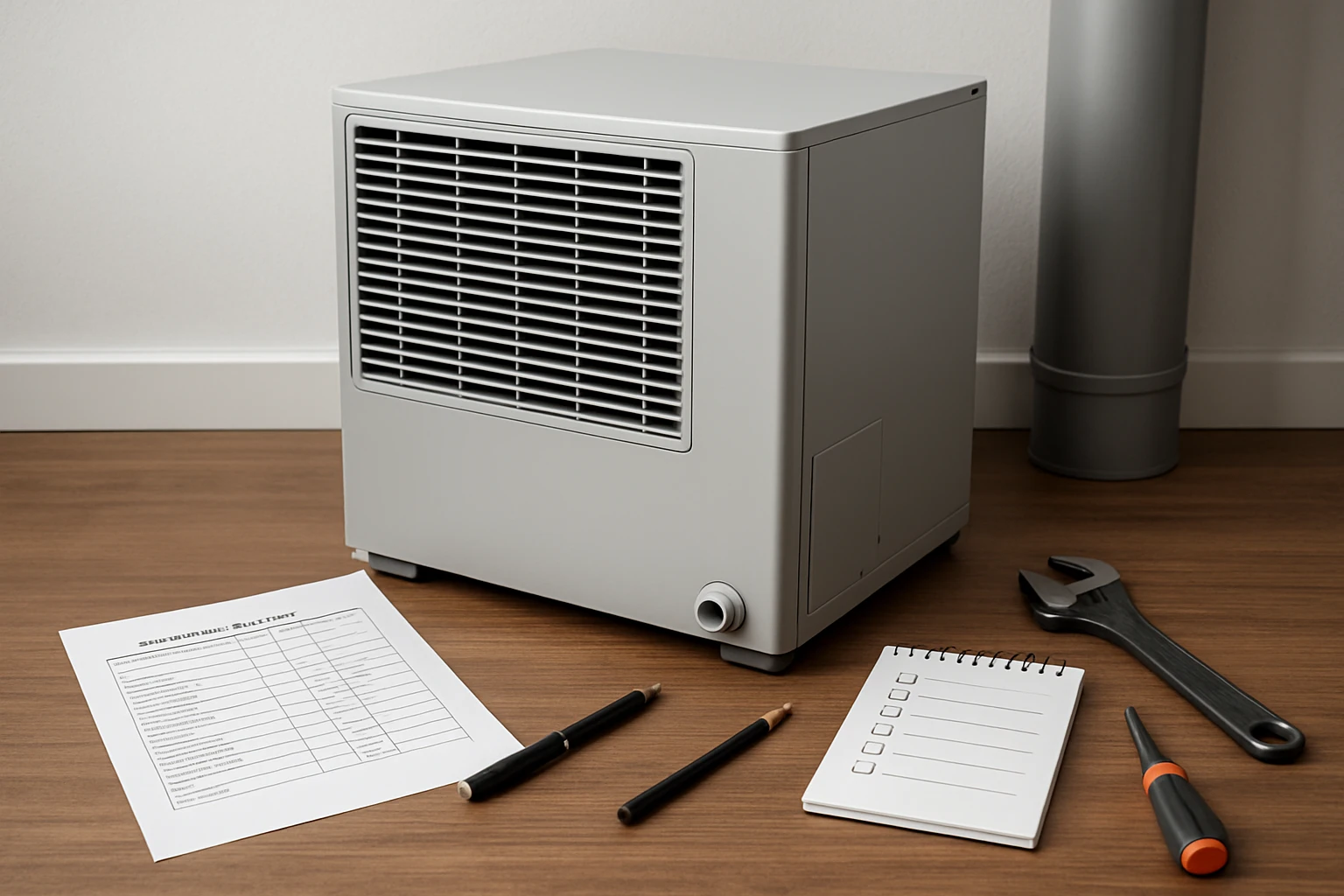
Whole-House Dehumidifier Maintenance Guide: Schedules, Costs & Complete Care Checklist
Introduction
Proper maintenance of a whole‑house dehumidifier extends its service life, improves energy efficiency, and ensures indoor air quality remains optimal. This guide explains the essential maintenance tasks, provides realistic cost estimates, and presents a step‑by‑step checklist that homeowners can follow throughout the year. Readers will learn how to inspect components, clean critical parts, troubleshoot common issues, and select accessories that enhance system reliability.
The information is organized to support both novice owners and experienced technicians, offering theoretical background alongside practical product recommendations. By the end of the article, one will possess a clear plan for seasonal upkeep and a deeper understanding of how each component contributes to overall performance.
Background and Context
A whole‑house dehumidifier integrates with a home’s HVAC system to remove excess moisture from the entire living space. Unlike portable units, it typically operates continuously and includes a condensate drainage system, air filters, and heat exchange coils. The device functions by drawing warm, humid air across refrigerated coils, causing water vapor to condense and be collected in a drain pan.
Understanding the basic cycle is essential before attempting maintenance because each step of the process can be affected by neglect. For example, a clogged drain hose can cause overflow, while a dirty air filter reduces airflow and forces the compressor to work harder, leading to higher electricity bills. The following sections break down each subsystem and outline the actions required to keep it operating at peak efficiency.
Understanding Dehumidifier Components
The primary components of a whole‑house dehumidifier include the evaporator coil, condensate drain system, air filter, fan motor, and control board. The evaporator coil is the heat‑exchange surface where moisture condenses; it must remain free of dust and scale. The condensate drain system transports liquid water to a disposal point, often using a flexible hose and a pump connector. The air filter captures dust and allergens, protecting the coil and fan.
Each component has a recommended service interval based on manufacturer guidance and real‑world usage patterns. Regular inspection prevents minor issues from escalating into costly repairs. The table below summarizes typical service frequencies:
| Component | Inspection Frequency | Cleaning Frequency |
|---|---|---|
| Air Filter | Monthly | Every 3 months or when pressure drop is observed |
| Evaporator Coil | Quarterly | Quarterly |
| Condensate Drain Hose | Monthly | Monthly |
| Fan Motor | Bi‑annually | Bi‑annually |
Maintenance Schedule and Cost Overview
Creating a maintenance calendar helps one allocate time and budget for each task. Below is a suggested twelve‑month schedule that aligns with seasonal humidity variations. Costs are presented as average estimates based on typical service pricing and the accessory items featured in this guide.
- January – February: Inspect and clean the evaporator coil; replace the air filter if necessary. Estimated labor cost: $80–$120.
- March – April: Test the condensate pump and verify hose integrity. Replace worn hose components using the Motoparty Pump Hose Connector if leaks are detected. Parts cost: $25–$30.
- May – June: Perform a full system performance test; measure humidity reduction efficiency. Professional diagnostic fee: $70–$100.
- July – August: Clean the fan blades and motor housing; lubricate bearings if applicable. Service cost: $60–$90.
- September – October: Replace the air filter and inspect the drainage hose for kinks. Consider upgrading to a more durable hose such as the ROJMMFOL Universal Drain Hose. Parts cost: $7–$10.
- November – December: Verify that the system shuts down correctly during low‑humidity periods; adjust the humidistat set‑point if needed. No additional cost.
Overall annual maintenance expenses typically range from $250 to $400, depending on whether one hires a professional or performs the work independently. Investing in high‑quality accessories reduces the likelihood of unexpected failures and can lower long‑term costs.
Cleaning the Evaporator Coil
The evaporator coil is the heart of the dehumidification process. Dust accumulation impedes heat transfer, causing the compressor to run longer and increase energy consumption. To clean the coil, one should first power down the unit, remove the access panel, and gently brush loose debris with a soft‑bristle brush.
Next, apply a no‑rinse coil cleaner that is compatible with copper and aluminum surfaces. Allow the solution to foam for the recommended dwell time, then rinse with low‑pressure water. Ensure that the condensate drain remains unobstructed during this step.
After cleaning, reassemble the panel and restore power. Verify that the unit cycles on and off as expected. Regular coil maintenance can improve moisture removal efficiency by up to 15%.
Condensate Drainage System Care
The condensate drainage system consists of a pump, flexible hose, and connector fittings. A blockage or leak in this system can cause water damage to surrounding structures. The following checklist ensures reliable operation:
- Inspect the Motoparty Pump Hose Connector for cracks or wear; replace if any signs of degradation are observed.
- Verify that the hose length is appropriate for the installation; excessive slack can create low points where water collects.
- Use a Dixon Tuff-Lite Nylon Hose Fitting when a transition from a metal thread to a polymer hose is required. This fitting provides a secure, leak‑proof connection.
- Consider the ROJMMFOL Universal Drain Hose for flexible placement; its PVC corrugated design resists kinking and includes a stainless‑steel clamp for easy installation.
- For longer runs, the XUESNOF Dehumidifier Hose offers brass connectors that ensure a tight seal on standard 3/4" FHT outlets.
When cleaning the hose, detach it from the unit, flush with warm water, and inspect the interior for debris. Reattach using the appropriate fitting and confirm that the clamp is tightened securely. A monthly visual inspection prevents surprise overflows during high‑humidity seasons.
Air Filter Replacement
Air filters capture dust, pollen, and mold spores before they reach the coil. A clogged filter reduces airflow, causing the unit to work harder and increase electricity usage. Most whole‑house models use a washable polyester filter; however, some manufacturers recommend disposable HEPA‑grade filters for enhanced indoor air quality.
To replace the filter, locate the access panel, remove the old filter, and insert a new one with the correct dimensions. If a washable filter is used, rinse it with mild soap, allow it to air dry completely, and reinstall.
Monitoring pressure drop across the filter with a manometer can indicate when replacement is necessary, even if visual inspection suggests the filter appears clean.
Cost Considerations for Replacement Parts
When budgeting for parts, it is useful to compare the price, durability, and customer satisfaction of each option. The table below compares the four accessories featured in this guide.
| Product | Price | Rating | Key Benefit |
|---|---|---|---|
| Motoparty Pump Hose Connector | $24.99 | 4.2/5 (26 reviews) | Exact fit for Friedrich dehumidifiers, biodegradable PLA material |
| Dixon Tuff-Lite Nylon Hose Fitting | $5.75 | 4.5/5 (342 reviews) | Strong nylon construction, includes red vinyl washer |
| ROJMMFOL Universal Drain Hose | $6.99 | 5/5 (7 reviews) | Flexible PVC corrugated tube with stainless‑steel clamp |
| XUESNOF Dehumidifier Hose | $9.98 | 4.5/5 (496 reviews) | Nickel‑plated brass connectors, multiple length options |
Choosing a higher‑priced component such as the Motoparty connector may be justified when a precise OEM replacement is required. Conversely, the Dixon fitting offers a cost‑effective solution for generic applications.
Comparison and Selection Guide
Selecting the appropriate drainage accessory depends on three factors: compatibility with the dehumidifier model, material durability, and installation ease. The decision matrix below assists one in evaluating these criteria.
| Scenario | Recommended Product | Why |
|---|---|---|
| Exact OEM replacement for Friedrich D70/BPA series | Motoparty Pump Hose Connector | Designed specifically for the model, ensures a leak‑free seal. |
| Need a flexible, easy‑install hose for a basement | ROJMMFOL Universal Drain Hose | PVC corrugated design resists kinking and includes a tool‑free clamp. |
| Budget‑friendly fitting for a generic 3/4" thread | Dixon Tuff-Lite Nylon Hose Fitting | Durable nylon with included washer, low price point. |
| Long‑run installation requiring brass durability | XUESNOF Dehumidifier Hose | Nickel‑plated brass connectors provide corrosion resistance. |
Best Practices & Tips
- Schedule a quarterly inspection during the high‑humidity months of spring and summer.
- Document each maintenance activity in a logbook, noting dates, observations, and parts replaced.
- When tightening hose clamps, use a screwdriver only if the clamp design requires it; many modern clamps feature a thumb screw for tool‑free adjustment.
- Store spare hoses and connectors in a dry environment to prevent material degradation.
- Consider installing a secondary overflow pan beneath the primary drain to capture accidental leaks.
Frequently Asked Questions
- How often should the condensate pump be tested?
- The pump should be tested at least once every three months by pouring a small amount of water into the reservoir and confirming that it evacuates to the drain without interruption.
- Can I use a metal hose instead of a plastic one?
- Metal hoses are suitable for high‑temperature applications, but for condensate water they are unnecessary and may corrode; a high‑quality PVC or nylon hose is generally recommended.
- What is the typical lifespan of a whole‑house dehumidifier?
- With regular maintenance, a unit can operate effectively for 10 to 15 years. Component wear, such as pump motor failure, often dictates the actual service life.
- Is it safe to replace the air filter with a HEPA filter?
- Yes, provided the filter dimensions match the manufacturer specifications. A HEPA filter can improve indoor air quality but may increase pressure drop slightly.
- Why does my dehumidifier shut off prematurely?
- Premature shutdown may result from a clogged drain hose, a faulty humidistat, or low refrigerant levels. Inspect the drainage system first, then verify sensor operation.
Conclusion
Consistent maintenance of a whole‑house dehumidifier safeguards indoor comfort, reduces energy costs, and prevents costly water damage. By following the schedules, employing the recommended cleaning techniques, and selecting durable accessories, one can maximize system efficiency for many years. The checklist provided in this guide serves as a practical tool for homeowners seeking a systematic approach to dehumidifier care.
Products Featured in This Guide
Motoparty Pump Hose Connector
Price: $24.99 | Rating: 4.2/5 (26 reviews)
Featured because it provides an exact OEM replacement for Friedrich dehumidifiers, ensuring a secure, leak‑free connection.
Dixon Tuff-Lite Nylon Hose Fitting
Price: $5.75 | Rating: 4.5/5 (342 reviews)
Featured for its strong nylon construction, easy installation, and inclusion of a red vinyl washer for a tight seal.
ROJMMFOL Universal Drain Hose
Price: $6.99 | Rating: 5/5 (7 reviews)
Featured because its flexible PVC corrugated design and stainless‑steel clamp make it ideal for a variety of drainage applications.
XUESNOF Dehumidifier Hose
Price: $9.98 | Rating: 4.5/5 (496 reviews)
Featured for its nickel‑plated brass connectors, which provide corrosion resistance and a secure fit for standard 3/4" FHT outlets.